




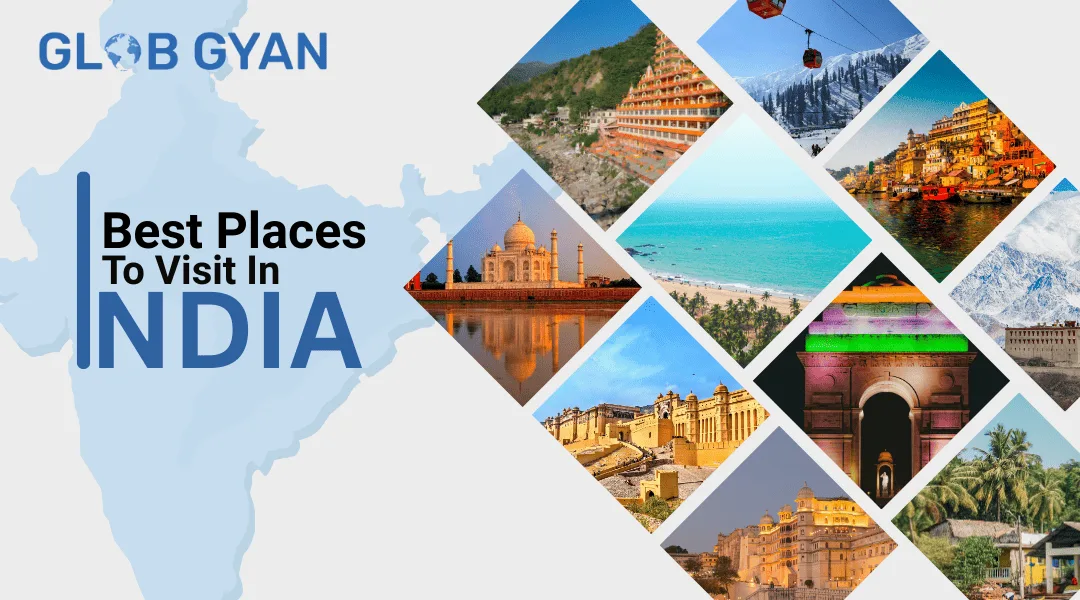
India is not a destination you “tick off.” It’s a country you enter slowly, layer by layer. From snow-fed mountains to tropical coastlines, desert plains to rain-soaked forests, India’s geography alone reshapes how people travel here. Add to that hundreds of languages, regional cuisines, and deeply rooted traditions, and you get a travel landscape that refuses to fit into shortcuts.
If you’re searching for the best places to visit in India, this page is designed to help you orient yourself not overwhelm you. Instead of pushing destinations, it helps you understand how India works as a travel country. Whether you’re planning your first visit or returning with a specific intent, this guide gives you context before choices. Think of it as a starting map, not a final itinerary one that makes exploring places to visit in India feel clearer, not crowded.
Why India Cannot Be Covered in One List
India doesn’t lend itself to top-10 lists, and that’s not a flaw it’s its nature. The experience of traveling here changes dramatically based on who you are, when you travel, and what you want from the journey. A destination that feels overwhelming to one traveler can feel grounding to another. Likewise, the same region can feel completely different across seasons.
Geography plays a huge role. Mountains, coasts, plains, forests, and deserts exist side by side, shaping climate, lifestyle, and travel pace. Cultural rhythm matters too festivals, food habits, and even daily schedules vary state to state. That’s why any single list feels incomplete. India works better when explored through regions, travel styles, and timing not rankings.
Best Tourist Places in India by Region
Best places to visit in North India
North India is defined by contrast. The region moves between high-altitude mountains, fertile plains, and arid desert landscapes. Travel here often feels intense emotionally, culturally, and visually. It suits travelers who enjoy history, layered traditions, and dramatic geography. Summers can be extreme in the plains, while hill areas remain cooler. Winters bring clarity and calm, especially in higher regions. Among the best tourist places in India, North India stands out for depth rather than ease.
Best places to visit in South India
South India offers a more rhythm-based travel experience. The landscapes are greener, the pace steadier, and the cultural continuity stronger across regions. Ancient temples, coastal belts, and forested hills shape journeys that feel immersive rather than rushed. It works well for long stays and slow exploration. The climate is largely tropical, with travel patterns influenced more by monsoons than temperature extremes. This region appeals to travelers seeking balance between nature and heritage.
Best places to visit in East India
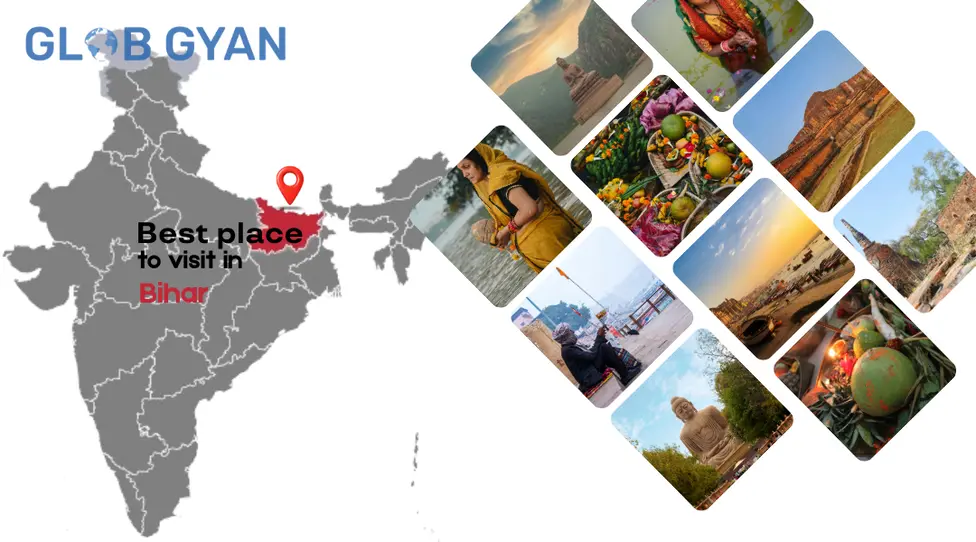
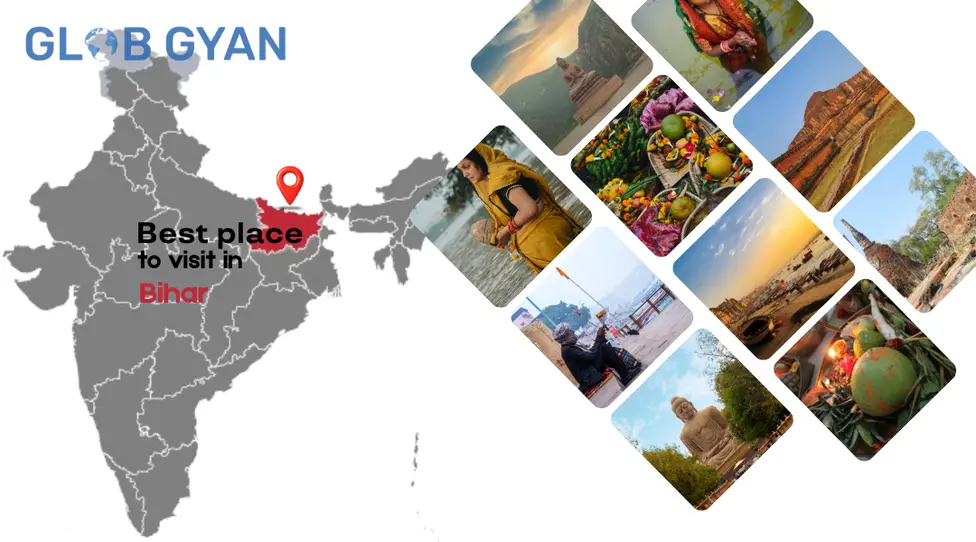
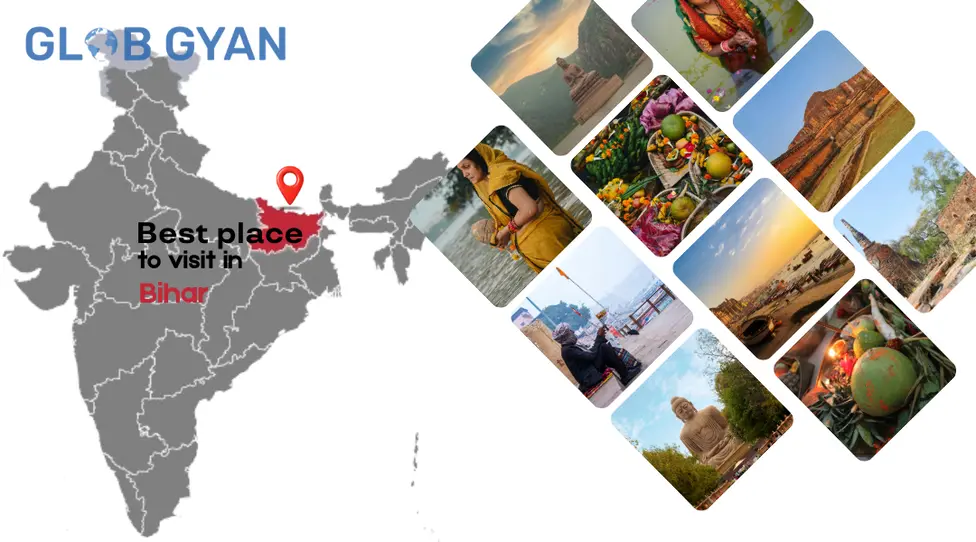
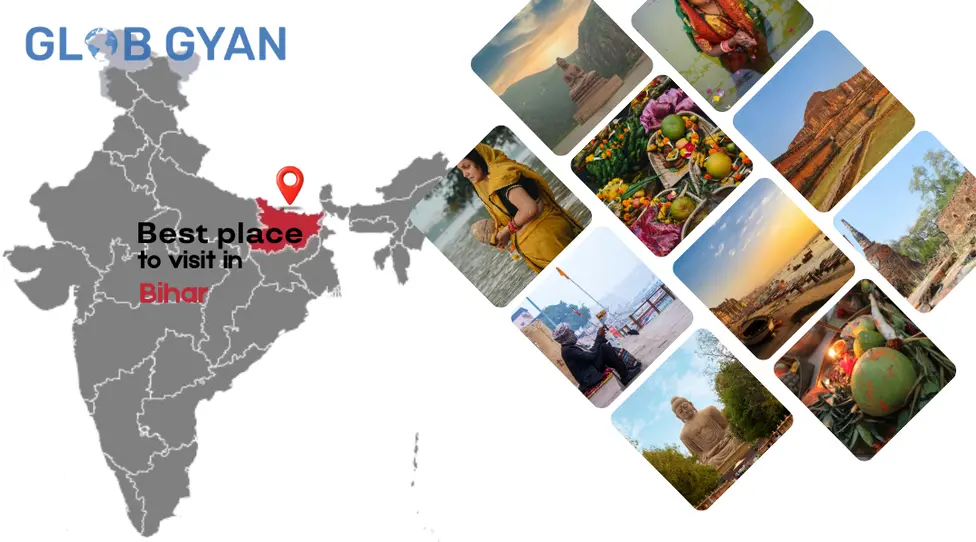
East India remains understated, even for seasoned travelers. River systems, wetlands, and forest belts dominate the landscape, creating journeys that feel raw and grounded. Travel here is often about cultural depth, artistic traditions, and everyday life rather than polished attractions. Climate tends to be humid, with strong seasonal shifts. For travelers who value authenticity over convenience, East India quietly holds some of the best tourist places in India.
Best places to visit in West India
West India blends modern energy with stark natural environments. From long coastlines to dry interiors, the region supports varied travel moods fast-paced urban exploration or open, expansive landscapes. Accessibility is a key strength here, making it popular for short trips and repeat visits. Summers can be harsh inland, while coastal areas remain moderated by the sea. It suits travelers who like variety without long transitions.
Best places to visit in North-East India
North-East India feels distinct from the rest of the country. Hills, dense forests, and high rainfall define both scenery and lifestyle. Travel here is slower, more nature-focused, and often community-driven. The cultural identities are sharply regional, shaped by tribal histories and local ecosystems. Climate is milder but wetter, especially during monsoon months. This region fits travelers looking for quiet exploration rather than conventional routes.
State-wise Best Places to Visit in India
In India, states matter more than cities when planning travel. Each state brings its own language patterns, food habits, terrain, and social rhythm often changing completely within a few hundred kilometers. Traveling across Rajasthan feels nothing like moving through Kerala, just as Himachal Pradesh differs entirely from Tamil Nadu.
States like Rajasthan, Maharashtra, Kerala, Himachal Pradesh, Goa, Uttarakhand, Tamil Nadu, and West Bengal illustrate how travel experience shifts with governance, culture, and geography. Understanding states helps travelers anticipate what kind of transport, accommodation style, and pace to expect. Instead of chasing individual attractions, state-level thinking allows for smoother routes and more realistic expectations especially for longer trips.
Popular Places to Visit in India
Some destinations naturally become popular over time, and in India, this usually happens for practical reasons rather than hype. Strong transport connectivity, historical significance, and the ability to offer something different on repeat visits all play a role. Places that adapt well to different traveler profiles solo, family, or short-term tend to stay relevant.
Popularity also comes from layered experiences. A traveler may return for food, festivals, or seasonal changes, not just landmarks. This is why certain places to visit in India remain consistently visited without losing character. Popular doesn’t always mean crowded—it often means accessible, familiar, and flexible enough to grow with the traveler.
Best Places to Travel in India by Travel Type
Best Places to Visit in India for Honeymoon
Honeymoon travel in India is less about luxury labels and more about atmosphere. Privacy, scenery, and pacing matter more than attractions. Couples often look for places that allow unstructured time whether that’s mountains, coasts, or quieter cultural regions—without constant movement.
Best Places to Visit in India with Family
Family travel focuses on comfort, safety, and ease of movement. Regions with predictable transport, diverse food options, and mixed activities work better. India supports multi-generation travel well when planning accounts for climate and distances.
Best Hill Stations to visit in india
Hill travel in India is climate-driven. These regions offer relief from heat and a slower daily rhythm. Travel is shaped by altitude, road access, and seasonal visibility rather than sightseeing density.
Best Beach to visit in india
Beach travel varies widely across India. Some coasts are social and energetic, others quiet and landscape-driven. Weather patterns matter more than calendar months here.
Best Spiritual Place to visit in India
Spiritual travel is deeply regional. Experiences differ based on local traditions, geography, and festivals rather than a single belief system.
Best Adventure Place to visit in India
Adventure travel depends heavily on terrain and season. India offers varied formats mountains, rivers, forests but timing and preparation define the experience more than location alone. Among all formats, this diversity is what makes the best places to travel in India so intent-specific.
Season-wise Best Time to Visit India
India’s seasons affect travel comfort, costs, and crowd levels differently across regions. Summer intensifies plains and deserts but opens up higher altitudes. Monsoon transforms landscapes lush in some areas, restrictive in others. Winter brings clarity and ease to most regions, though temperatures vary sharply.
There is no single “best season” for the entire country. Travel timing should always be matched to region and purpose. Understanding seasonal behavior helps travelers avoid unrealistic expectations and plan routes that feel enjoyable rather than rushed.
Travel Planning Tips for Visiting India
Traveling in India rewards flexibility. Distances take longer than maps suggest, and plans often shift due to weather, festivals, or local conditions. Budgeting should allow room for comfort rather than just cost-cutting—small upgrades often improve experience significantly.
Safety is largely about awareness, not fear. Like any diverse country, understanding local norms goes a long way. Staying adaptable, respecting regional differences, and allowing extra time between stops often matters more than perfect itineraries. First-time travelers benefit most from pacing themselves instead of trying to see everything at once.
Why India Is One of the Most Rewarding Travel Countries
India challenges travelers but it also gives back more than most destinations. The reward lies in its depth. Few countries allow such drastic shifts in landscape, culture, and daily life within a single trip. Every journey teaches something about people, systems, patience, and perspective.
What makes India special isn’t perfection; it’s presence. The country invites engagement, not consumption. Travelers who approach it with curiosity rather than control often leave with experiences that stay long after the trip ends. That emotional return is what makes India worth revisiting, again and again, in different ways.
Start Exploring the Best Places to Visit in India
India is best explored step by step by region, by travel style, or by season. Once you understand how the country is structured, choosing where to go becomes simpler and more intentional. This page is your entry point. From here, you can dive deeper into regions, states, or travel themes that match what you’re looking for without rushing the journey.