




Artificial Intelligence (AI) is one of the most important technologies in the modern world. It is changing how businesses work and how people use technology in their daily lives. From smartphones and online shopping to healthcare and banking, AI is everywhere today.
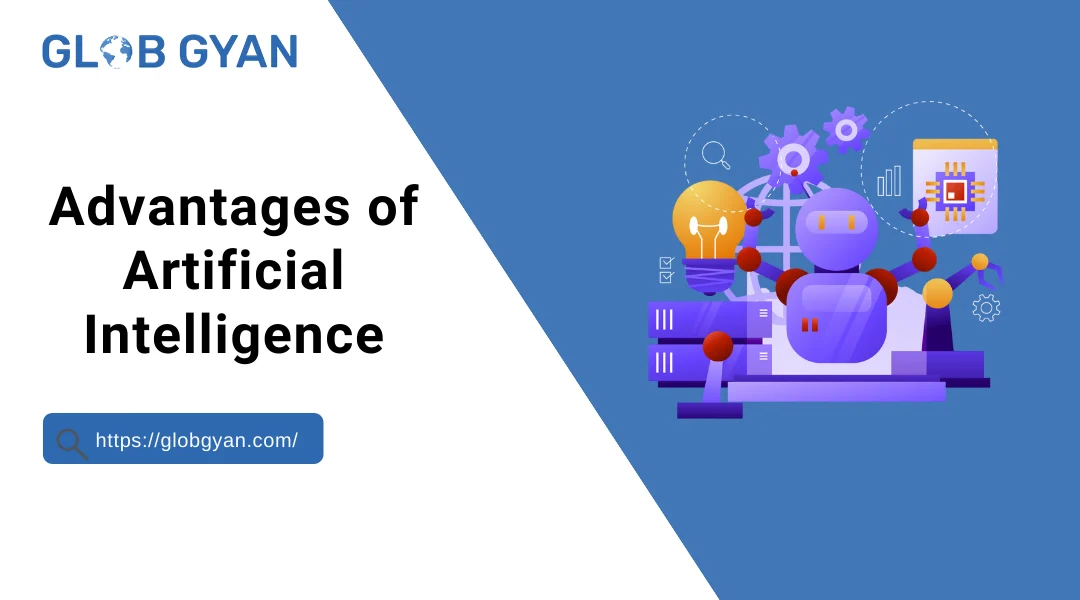
The advantages of artificial intelligence are helping companies work faster, reduce errors, and make better decisions. At the same time, AI tools make everyday tasks easier for people.
However, like any technology, AI also has some challenges. To understand its real impact, it is important to look at both the advantages and disadvantages of AI.
In this article, we will explore the benefits of artificial intelligence, its importance in different industries and the AI advantages in daily life.
What is Artificial Intelligence?
Artificial Intelligence is a technology that allows computers and machines to perform tasks that normally require human intelligence. These tasks include learning, problem-solving, understanding language and analyzing data.
AI systems work using technologies such as:
- Machine Learning
- Neural Networks
- Natural Language Processing
- Data Analysis
Many tools we use every day are powered by AI. For example, voice assistants like Siri and Google Assistant use AI to understand voice commands. Online platforms such as Amazon and Netflix use AI to recommend products and movies based on user preferences.
This shows the growing importance of artificial intelligence in everyday life and business.
Key Features of Artificial Intelligence
Before learning about the advantages of artificial intelligence, it is helpful to understand some basic features of AI.
Learning from Data
AI systems can learn from large amounts of data. Over time, they improve their performance and accuracy.
Understanding Human Language
Many AI systems can understand and generate human language. This technology is used in chatbots, translation tools and voice assistants.
Decision Making
AI can analyze data and make decisions quickly without human help.
Problem Solving
AI can identify patterns and solve complex problems faster than humans in many situations.
These features explain why artificial intelligence and automation are becoming more common in modern industries.
Major Advantages of Artificial Intelligence
There are many artificial intelligence advantages that make it useful in different fields. Below are some of the most important ones.
1. Reduces Human Errors
One of the biggest benefits of artificial intelligence is that it reduces human mistakes.
Humans can make errors due to fatigue or lack of concentration. AI systems work based on data and algorithms, which helps improve accuracy.
For example:
- AI helps doctors detect diseases early.
- AI systems analyze financial data accurately.
- Robots in factories produce products with high precision.
Because of this, AI is widely used in industries where accuracy is very important.
2. Automation of Repetitive Work
AI can automate routine tasks that normally take a lot of time.
Examples include:
- Customer support chatbots
- Data entry automation
- Email responses
Automation helps companies save time and allows employees to focus on creative and important tasks. This connection between artificial intelligence and automation is improving productivity in many industries.
3. Works 24/7 Without Breaks
Unlike humans, AI systems do not need rest.
They can work 24 hours a day and provide continuous services. For example, many websites use AI chatbots to answer customer questions at any time.
This improves customer service and business efficiency.
4. Faster Data Analysis
Modern businesses collect large amounts of data every day. AI can analyze this data much faster than humans.
With the help of AI, companies can:
- Identify trends
- Understand customer behavior
- Predict future demand
This helps businesses make better decisions.
5. Improves Business Efficiency
Another important advantage of artificial intelligence is improved efficiency.
AI systems can manage many business operations such as:
- Inventory management
- Supply chain planning
- Customer support
By using AI, companies can reduce costs and increase productivity.
6. Better Decision Making
AI systems analyze data and provide useful insights. These insights help managers make better business decisions.
For example, AI can help companies:
- Predict sales trends
- Understand market demand
- Identify risks
This makes decision-making more accurate and reliable.
7. Handles Big Data Easily
Today, organizations deal with huge amounts of information. AI systems can process and analyze this big data quickly.
This allows companies to discover patterns, identify problems and find new business opportunities.
8. Encourages Innovation
AI technology helps create new products and services.
For example:
- Self-driving cars
- Smart home systems
- Advanced medical tools
- AI-powered robots
These innovations show the growing importance of artificial intelligence in modern technology.
9. Predicts Future Trends
AI systems can analyze past data to predict future outcomes.
This is useful in many industries. For example:
- Retail companies predict customer demand.
- Banks detect fraud.
- Healthcare systems predict disease risks.
These predictions help organizations prepare for future challenges.
AI Advantages in Daily Life
Many people use AI without even realizing it. Some common AI advantages in daily life include:
Smart Assistants
Voice assistants help users set reminders, search information, and control smart devices.
Personalized Recommendations
Streaming platforms like Netflix suggest movies and shows based on viewing history.
Navigation Apps
AI-powered navigation apps provide real-time traffic updates and faster routes.
Smart Home Devices
AI helps control lighting, temperature and home security systems.
These examples show how AI is making daily life easier and more convenient.
Disadvantages of Artificial Intelligence
Although there are many benefits of artificial intelligence, there are also some disadvantages of artificial intelligence.
Job Loss in Some Industries
Automation may replace some jobs, especially repetitive work in factories or offices.
Dependence on Technology
People may become too dependent on AI systems.
Data Privacy Concerns
AI systems require large amounts of data, which can raise privacy issues.
Bias in Data
If AI is trained using biased data, it may produce unfair results.
Understanding the advantages and disadvantages of AI helps organizations use the technology responsibly.
Advantages and Disadvantages of AI
To better understand the impact of AI, here is a simple comparison.
Advantages
- Reduces human errors
- Automates repetitive tasks
- Works 24/7
- Improves efficiency
- Helps in better decision making
Disadvantages
- Job displacement
- Data privacy risks
- Dependence on technology
- Possible bias in algorithms
Despite these challenges, AI continues to grow because its benefits are very powerful.
Future of Artificial Intelligence
The future of AI looks very promising. AI technology will continue to grow and become more advanced.
In the coming years, AI may help develop:
- Smart cities
- Autonomous vehicles
- Advanced healthcare systems
- Improved education technologies
As AI evolves, its role in everyday life and business will become even more important.
Conclusion
The advantages of artificial intelligence are transforming industries and improving everyday life. From automation and faster decision-making to better customer experiences, AI offers many powerful benefits.
At the same time, it is important to understand the disadvantages of artificial intelligence and use this technology responsibly.
With careful development and ethical use, AI will continue to create new opportunities and drive innovation in the future.
FAQs
The main advantages of artificial intelligence include automation of repetitive tasks, faster decision-making, improved accuracy, 24/7 availability, and cost efficiency. AI helps both individuals and businesses work smarter and more productively.
Artificial intelligence is important because it helps analyze large amounts of data, improve business operations, enhance healthcare services, and deliver personalized digital experiences. It supports faster and more accurate decision-making across industries.
AI improves daily life through voice assistants, navigation apps, online shopping recommendations, spam filters, and smart home devices. These applications save time, increase convenience, and improve overall user experience.
AI helps businesses understand customer behavior, automate customer support, improve marketing strategies, reduce operational costs, and enhance cybersecurity. This leads to better efficiency and competitive growth.
Artificial intelligence makes automation smarter by allowing systems to learn from data and improve performance over time. While automation executes tasks, AI decides how those tasks should be performed more effectively.
Some disadvantages of AI include job displacement, high development costs, data privacy concerns, and lack of emotional understanding. These challenges highlight the need for responsible and ethical AI usage.
No, artificial intelligence cannot fully replace humans. While AI excels at data processing and automation, humans remain essential for creativity, emotional intelligence, ethical decision-making, and leadership.