




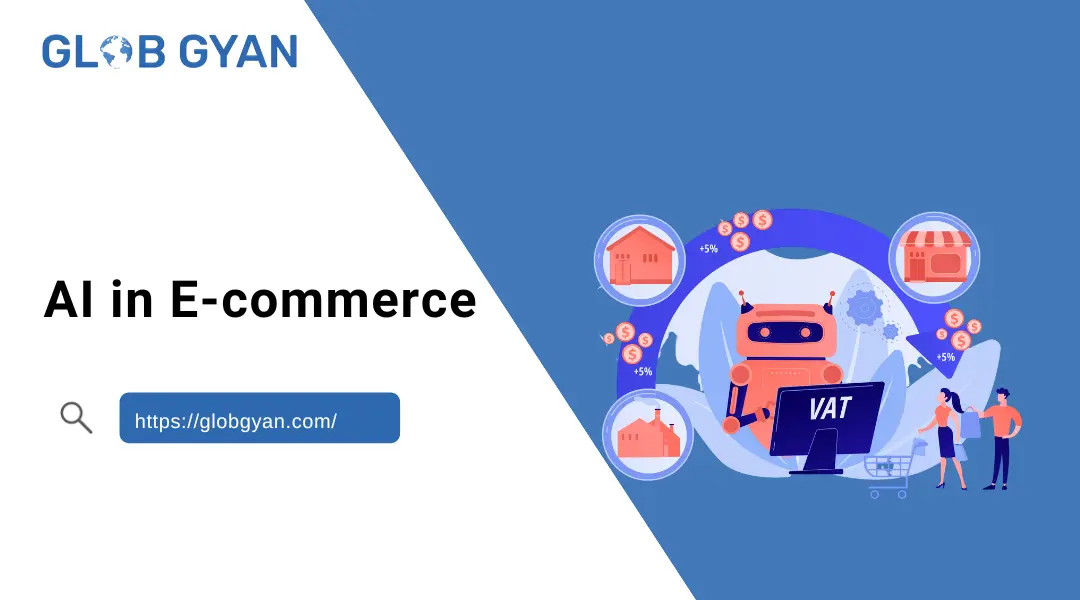
The world of online shopping is evolving rapidly, and AI in E-commerce is at the center of this transformation. What once started as simple online catalogs has now become highly intelligent shopping ecosystems powered by data and automation. From personalized recommendations to automated customer support, artificial intelligence is reshaping how businesses sell and how customers buy.
Today, e-commerce is not just about listing products online. It’s about delivering smart, personalized, and seamless experiences—and that’s exactly where AI in E-commerce plays a powerful role. Customers no longer want generic shopping experiences; they expect brands to understand their needs, preferences, and behavior in real time.
In this detailed guide, you will learn how AI is transforming the e-commerce industry, its benefits, real-world applications, challenges, and how businesses can use it to grow faster and stay competitive.
What is AI in E-commerce?
AI in E-commerce refers to the use of advanced technologies like machine learning, natural language processing, predictive analytics, and automation to improve online shopping experiences and business operations.
It helps businesses analyze large amounts of customer data, identify patterns, predict future trends, and automate decision-making processes. This makes e-commerce platforms smarter, faster, and more efficient.
In simple terms, AI allows online stores to think, learn, and adapt—just like humans, but with higher speed, accuracy, and scalability.
Why AI is Important in E-commerce
In today’s competitive digital landscape, businesses need more than just an online presence to succeed. Customers expect speed, personalization, and convenience at every step of their journey. This is where ai in ecommerce becomes essential.
AI helps businesses:
- Understand customer preferences deeply
- Deliver personalized shopping experiences
- Automate repetitive and time-consuming tasks
- Increase sales and improve conversion rates
- Enhance overall customer satisfaction
Without ai in ecommerce, it becomes difficult for businesses to keep up with rising customer expectations and intense market competition.
Key Applications of AI in E-commerce
1. Personalized Product Recommendations
One of the biggest advantages of AI in E-commerce is personalization. AI systems track user behavior such as browsing history, purchase patterns, and time spent on products to recommend items that match their interests.
This not only improves the shopping experience but also increases the chances of purchase, boosting revenue significantly.
2. Chatbots & Customer Support
AI-powered chatbots have become a core part of modern e-commerce platforms. These bots provide instant support 24/7 without human intervention.
They can:
- Answer frequently asked questions
- Help users find products
- Track orders in real time
- Resolve common complaints
With ai in ecommerce, businesses can reduce operational costs while delivering faster and more consistent support.
3. Smart Search & Voice Commerce
Traditional search systems rely on exact keywords, but AI-powered search understands user intent. It improves search accuracy through:
- Auto-correct and typo handling
- Voice search capabilities
- Image recognition search
This creates a smoother and faster shopping journey, reducing frustration and improving conversions.
4. Inventory & Supply Chain Management
Managing inventory manually can lead to errors and losses. AI in E-commerce helps predict demand based on past data, seasonal trends, and customer behavior.
This ensures:
- Better stock planning
- Reduced wastage
- Faster order fulfillment
- Improved supply chain efficiency
5. Dynamic Pricing Strategy
AI enables real-time pricing adjustments based on demand, competition, and user behavior. This strategy helps businesses maximize profits while staying competitive.
For example, prices may change during high demand or based on user location and buying patterns.
6. Fraud Detection & Risk Management
Security is a major concern in online transactions. AI systems analyze transaction data and identify unusual patterns to detect fraud instantly.
This helps protect both customers and businesses from financial losses and builds trust in the platform.
Benefits of AI in E-commerce
Enhanced Customer Experience
AI enables hyper-personalization, making every user feel valued with tailored product suggestions and smooth navigation.
Higher Sales & Revenue
By showing the right product to the right customer at the right time, businesses can significantly increase conversions.
Automation & Time Efficiency
Routine tasks like customer support, email marketing, and product sorting can be automated, saving time and effort.
Data-Driven Decision Making
AI provides valuable insights that help businesses make informed and strategic decisions.
Cost Optimization
Automation reduces the need for large teams, lowering operational costs in the long run.
How AI is Changing Customer Behavior
With the rise of ai in ecommerce, customer behavior has evolved significantly. Modern consumers expect convenience, speed, and personalization.
Customers now prefer:
- Instant replies through chatbots
- Personalized product recommendations
- Fast and reliable delivery
- Seamless mobile-friendly experiences
If businesses fail to meet these expectations, customers are more likely to switch to competitors.
Challenges of AI in E-commerce
While AI in E-commerce offers many benefits, businesses must also be aware of certain challenges:
High Initial Investment
Implementing AI tools and systems can be costly, especially for small businesses.
Data Privacy & Security
Handling user data requires strong security systems and compliance with data protection laws.
Technical Complexity
AI systems require expertise for setup, integration, and maintenance.
Data Dependency
AI performs best with large datasets, which may not be available for new or small businesses.
Future of AI in E-commerce
The future of AI in E-commerce is incredibly promising. As technology advances, AI will become even more powerful and accessible.
We can expect:
- Growth of voice-based shopping
- AI-powered virtual shopping assistants
- Augmented reality (AR) for product trials
- Fully automated warehouses and delivery systems
- Advanced predictive analytics for customer behavior
In the coming years, AI in ecommerce will not just be an advantage—it will become a necessity for survival and growth.
How Businesses Can Use AI in E-commerce
If you are running an online store, here are practical ways to start using AI in E-commerce:
Implement Chatbots
Provide instant support and improve customer engagement.
Use Recommendation Systems
Increase sales by showing personalized product suggestions.
Leverage Customer Data
Understand buying behavior and optimize your strategy.
Automate Marketing Campaigns
Use AI tools for email marketing, ads, and retargeting.
Optimize Pricing
Adopt dynamic pricing strategies to stay competitive.
Popular AI Tools Used in E-commerce
Some widely used tools include:
- ChatGPT (content & automation)
- Shopify AI features
- Google Analytics with AI insights
- Salesforce Einstein
- Dynamic Yield
These tools make it easier for businesses to adopt ai in ecommerce without needing advanced technical skills.
Conclusion
There’s no doubt that AI in E-commerce is transforming the entire online shopping ecosystem. From personalization and automation to smarter decision-making, AI is helping businesses deliver better experiences and achieve faster growth.
Businesses that adopt AI in E-commerce early will gain a strong competitive edge, while those who ignore it may struggle to survive in the evolving digital landscape.
If you want to grow your online business, now is the perfect time to explore and implement the power of ai in ecommerce.
To understand how AI tools actually work behind the scenes, you can also explore our detailed guide on artificial intelligent and automation.
FAQs on AI in E-commerce
AI in e-commerce is the use of artificial intelligence technologies to improve shopping experiences and automate business operations.
It personalizes recommendations, speeds up support, and simplifies the buying process.
Yes, many affordable AI tools are available that are suitable for small businesses.
Yes, AI improves targeting and personalization, which leads to higher conversions.
Chatbots, recommendations, smart search, and dynamic pricing are common uses.
Yes, automation helps reduce the need for manual work and large teams.
Yes, if proper security measures and compliance practices are followed.
The future includes voice shopping, AR experiences, and automated systems.
No, AI supports humans but still requires human strategy and supervision.
Start with chatbots, analytics tools, and recommendation systems.