




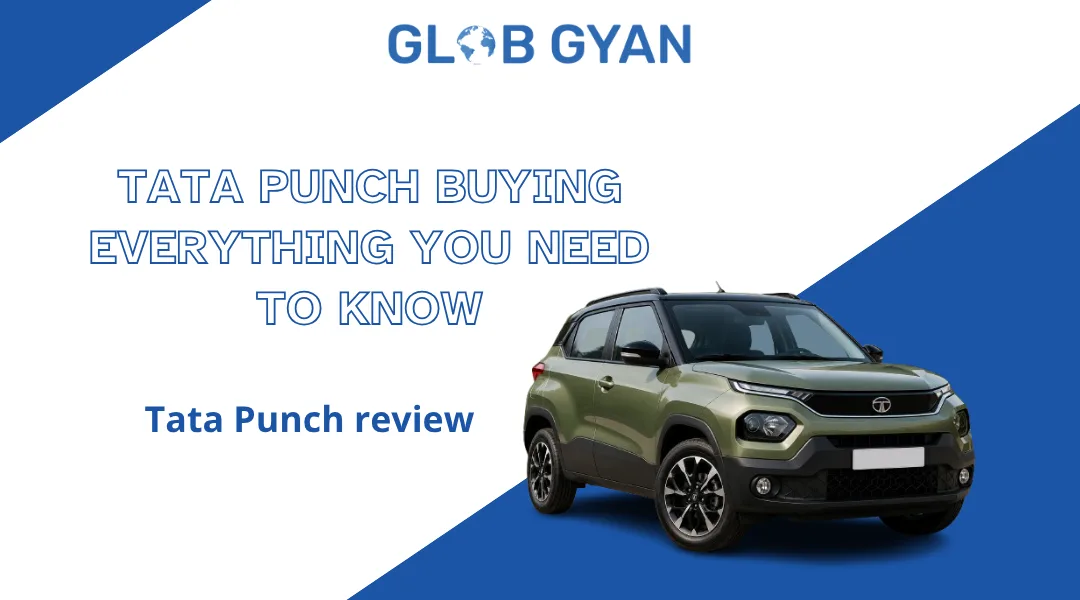
Everything First-Time Car Buyers Need to Know About India’s Most Affordable SUV Tata Punch
When I first considered buying a car on a budget, I thought I’d have to compromise on style, safety or features. Then I discovered the Tata Punch and it completely changed my perspective on what’s possible in the sub-6 lakh price segment. Less than a year into ownership, I’ve tested multiple variants—petrol manual, petrol automatic (DCT) and even explored the CNG option and I can confidently say this is a game changer for first-time car buyers in India.
This comprehensive guide answers the 10 most important questions about the Tata Punch based on real-world experience and current market data. Whether you’re concerned about seating capacity, fuel efficiency, safety or value for money, you’ll find detailed insights here.
Is Tata Punch a 7-Seater or 5-Seater? What’s the Mileage?
The Tata Punch is strictly a 5-seater, micro-SUV, not a 7-seater. This is probably the most common confusion I encountered when recommending it to friends. There’s no 7-seater variant available, though the cabin is surprisingly spacious for four adults on longer journeys.
Regarding mileage, here’s what real-world data shows:
| Variant | ARAI Mileage | Real-World | My Experience |
| Petrol Manual | 20-22 kmpl | 17-19 kmpl | 18 kmpl (city) |
| Petrol Auto (DCT) | 20 kmpl | 17-18 kmpl | 17 kmpl |
| CNG Variant | 25+ km/kg | 23-24 km/kg | Not tested |
My take: In daily city commuting in Ghaziabad, I consistently get 17.5-18 kmpl with the petrol manual transmission. The DCT automatic gives slightly lower mileage due to the extra weight and fluid dynamics, but the convenience factor makes it worth the premium for some buyers. If mileage is your top priority and you do frequent city driving, the CNG variant is a no-brainer.
What Are the Main Weaknesses of Tata Punch?
Let me be honest here—no car is perfect, and the Punch has some genuine limitations that you should know about before buying:
- Engine Performance: The naturally aspirated 1.2L petrol engine (88 PS, 115 Nm) feels underpowered on highways when fully loaded or climbing steep grades. The new turbocharged version addresses this, but it comes at a premium. The base engine just doesn’t have enough grunt for spirited driving.
- No Hill Hold Assist: This feature is missing even in higher variants. If you’re driving in hilly regions, hill starts can be challenging in manual variants, especially on steep inclines.
- Ground Clearance Gap: While 193mm is decent, it’s not exceptional for an SUV. Speed breakers and concrete ridges can be challenging in some locations.
- Rear Seat Comfort: While spacious for short trips, the rear seats on longer drives (3+ hours) can feel cramped for taller passengers due to limited legroom.
- No Stability Control in Base Models: The base variants lack Electronic Stability Control (ESC), though the latest facelift addresses this in higher trims.
My experience: These aren’t deal-breakers for city commuting, which is my primary use case. But if you’re planning long highway trips with a full family, you might want to test drive thoroughly to ensure it meets your expectations.
What Is the Price of the New Tata Punch 2026?
Tata Punch pricing has evolved with the new 2026 facelift, which introduces a turbocharged petrol engine option. Here’s the current pricing structure:
| Variant | Engine Type | Price (Ex-Showroom) |
| Pure (Entry Level) | CNG | ₹6.18-6.68 L |
| Adventure/Accomplished (Mid Range) | Petrol Manual/Auto | ₹7.5-9.0 L |
| Creative/Accomplished+ (Top) | Turbo Petrol | ₹10.5-12.4 L |
Current Offers:
- Depending on your location, dealerships are offering discounts up to ₹40,000 on select variants
- EMI options start from ₹5,000/month for 48-month tenures at 11.6% interest
- On-road price in Delhi is approximately ₹6.2-12.8 L including registration and insurance
For first-time buyers with a limited budget, I’d recommend the Pure or Adventure variants in petrol manual transmission. They offer the best bang for your buck without the premium of automatic gearboxes.
Is Tata Punch Available in Diesel? What Are My Engine Options?
No, there is no diesel variant of the Tata Punch. Tata has strategically positioned this vehicle with petrol, CNG, and now turbo-petrol options. Here’s your complete engine breakdown:
1. Standard 1.2L Naturally Aspirated Petrol Engine (88 PS, 115 Nm)
This is the economy option. Paired with 5-speed manual or 5-speed AMT transmission, it’s ideal for city driving and budget-conscious buyers. My experience with this engine has been reliable and refined, though it lacks punch on highways. Perfect for daily commuters who value efficiency over performance.
2. New 1.2L Turbocharged Petrol Engine (120 PS, 170 Nm)
Introduced in the 2026 facelift, this turbo petrol is a game-changer. With 32 PS and 55 Nm more power and torque, it transforms the driving dynamics completely. It comes with a 6-speed manual transmission and is the performance option. While slightly thirstier on fuel (17-19 kmpl), the added performance is worth it if you do occasional highway driving.
3. 1.2L Twin-Cylinder CNG (iCNG Technology)
This is the fuel-economy champion. Delivering 27-28 km/kg in real-world usage, the CNG variant is the cheapest to run over the long term. If you have access to CNG pumps in your area and do mainly city driving, this is my top recommendation for maximum cost savings.
Is Tata Punch a Hit or Flop? What Does Sales Data Show?
Tata Punch is absolutely a HIT—not just in terms of sales, but in terms of consumer satisfaction and market impact. Here’s what the numbers tell us:
Annual Sales Data:
- 2021: 22,571 units (launch year)
- 2022: 129,895 units (6x growth)
- 2023: 150,182 units (peak year)
- 2024: 202,030 units (35% growth)
- 2025: 173,502 units (seasonal fluctuations but still strong)
Why is the Punch succeeding where others failed? Several factors: It’s one of the most affordable compact SUVs in India, it has India’s highest safety rating (5-star Bharat NCAP), the design is aggressive and appealing, and Tata’s warranty and service network are solid. The diversity of powertrains (petrol, CNG, turbo, electric) means there’s something for everyone.
My verdict: The Punch isn’t just a commercial success; it’s genuinely beloved by owners. The fact that I get compliments on my 5-year-old Punch from multiple people weekly tells you something about its appeal. It’s rare to find a car that combines affordability, safety, style and reliability at this price point.
Is Tata Punch Safe Enough for My Family?
This is the question that sealed my decision to buy a Punch, and I’m glad I prioritized safety. The Tata Punch carries India’s highest safety rating and holds its own against much more expensive vehicles.
Bharat NCAP Certification:
- 5-Star Rating in both adult and child occupant protection categories
- Only sub-₹8L car to achieve this feat in India
Safety Features:
- Dual frontal airbags (all variants)
- ABS with EBD for emergency braking
- Corner Stability Control
- ISOFIX child seat mounts
- Rear parking sensors (higher variants)
- High-strength steel body structure with 8 airbags in top variants
Real-world feedback from owners consistently praises the Punch’s sense of security. The solid cabin, excellent visibility, and advanced safety suite make it genuinely safe for families. This is one area where Tata hasn’t cut corners despite the affordable price point.
How Much Will Annual Maintenance Cost?
One of the biggest advantages of the Punch is its low maintenance cost. Tata has a widespread service network across India, and parts are affordable.
Service Costs:
- Regular service (oil change + filter): ₹2,500-3,500
- Major service (every 40,000 km): ₹5,000-7,000
- Spare parts average 30-40% cheaper than premium brands
- Warranty: 3 years/100,000 km standard (can be extended to 5 years)
Estimated Annual Maintenance: ₹8,000-12,000 depending on driving habits and distance covered. This makes the Punch one of the cheapest cars to maintain in the Indian market.
Which Variant Should I Choose? Petrol Manual, Automatic or CNG?
This is the toughest decision, and it depends entirely on your lifestyle and budget. Let me break down each option based on my testing experience:
PETROL MANUAL – Best for: Budget-conscious, city drivers who enjoy engaging driving
- Lowest purchase price (₹7.5-8.5 L)
- Best resale value
- 18 kmpl average mileage
- My verdict: This is my choice and what I’d recommend to 80% of first-time buyers
PETROL AUTOMATIC (DCT) – Best for: Those valuing convenience and willing to spend extra
- Smooth, hassle-free city driving
- ₹1.2-1.5 L premium over manual
- 17-18 kmpl mileage (slightly lower than manual)
- My verdict: Good if you have a tight city traffic commute and don’t mind the premium
CNG VARIANT – Best for: Long-term owners who want lowest running costs
- Exceptional 27-28 km/kg fuel efficiency
- ₹6.3-7.5 L price (cheapest entry)
- Lowest monthly fuel cost (₹2,500-3,000)
- My verdict: Best choice if you have CNG pump access nearby and plan to keep the car for 5+ years
Is Tata Punch Good for Long Drives and Highway Travel?
This is where I need to be candid. The Punch is designed primarily as a city commuter, not a highway cruiser. For long drives (8+ hours), you might face some challenges.
Strengths for Highway Driving:
- Good stability at highway speeds (up to 150 kmph)
- Excellent visibility from the elevated driving position
- Responsive steering makes it easy to handle
Weaknesses for Highway Driving:
- Base petrol engine struggles with hill climbs and acceleration (new turbo variant solves this)
- Rear seat comfort deteriorates on 4+ hour journeys for taller passengers
- Road noise increases on highways compared to bigger SUVs
- Limited legroom in rear seat for extended journeys
My verdict: Suitable for weekend getaways and occasional highway trips, but not ideal as your primary long-distance vehicle. If you plan frequent highway travel, consider the new turbocharged petrol variant for better performance and pulling power.
What’s the Warranty, After-Sales Service and Tata’s Reputation?
One reason I confidently chose the Punch over other budget options was Tata’s reliability track record and after-sales service network. Let me give you the full picture:
Warranty Coverage:
- Standard: 3 years or 100,000 km (whichever comes first)
- Extended warranty available: 5 years / 150,000 km at ₹25,000-35,000
- Free service for first 3 services or 30,000 km (whichever comes first)
Service Network:
- Tata has 500+ authorized service centers across India, including tier 2 and tier 3 cities
- Average service time: 45-60 minutes for regular service
- 24/7 roadside assistance available
- Genuine parts readily available at reasonable prices
Tata’s Reputation:
- Leading Indian automotive brand for safety and innovation
- 5-star safety ratings on multiple models (Nexon, Punch, Punch.ev)
- Strong warranty policies compared to competitors
- Consistent owner satisfaction scores in surveys and forums
Personal Experience: In less than a year of ownership, I’ve had two minor service visits and one warranty claim (for a small sensor issue). Both experiences were hassle-free—transparent pricing, quick turnaround, and genuine parts. The service advisor was knowledgeable and didn’t push unnecessary services. This is in stark contrast to some horror stories I’ve heard from owners of other budget brands.
Should You Buy a Tata Punch or Not?
The Tata Punch is genuinely one of the best value-for-money cars in India today. If you’re a first-time car buyer with a budget of ₹6-10 lakhs, you absolutely cannot ignore it. Here’s my honest recommendation breakdown:
BUY A PUNCH IF YOU:
- Want a safe, reliable car for daily city commuting
- Prioritize safety ratings and after-sales service over brand prestige
- Need a car that looks premium at a budget price
- Plan to own the car for 5-7 years
- Want rock-bottom maintenance and fuel costs
THINK TWICE IF YOU:
- Do frequent long highway drives (6+ hours regularly)
- Need a 7-seater family vehicle
- Want performance and sporty driving dynamics
- Are brand-conscious and prioritize premium badge appeal
The Tata Punch proves that you don’t need to spend a fortune to get a safe, reliable, and stylish car. In my opinion, it’s the best car available under ₹8 lakhs in India right now. My only regret is that I didn’t research it earlier!