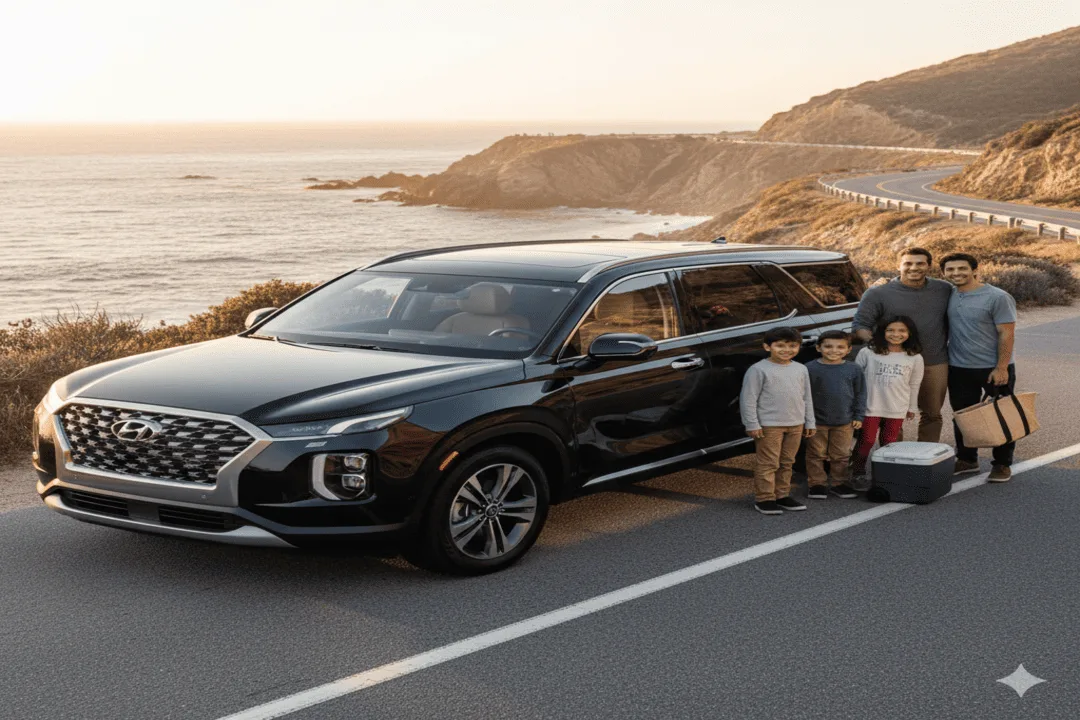





Buying a car in India is exciting, but it can also feel confusing. There are lots of cars, many prices, and different fuel options. Some cars run on petrol, some on diesel, some on CNG and some on electricity. If you are buying your first car or replacing your old one, this simple guide will help you understand how to choose the right car, plan your money, pick useful features, and avoid common mistakes.
1. Understanding Your Budget
1.1 Setting a Realistic Car Budget
When you buy a car, you don’t just pay the price written in the showroom. That price is called the ex-showroom price. But the real price you pay is called the on-road price.
The on-road price includes:
• Road tax (different in each state)
• Registration fees
• Insurance
• Other small charges
The on-road price can be 12–18% more than the ex-showroom price.
Tip: First decide the maximum amount of money you can spend. Then look at cars in that range. This helps you avoid spending too much.
1.2 Loan vs Cash Purchase
Most people in India do not pay full money at once. They take a car loan from a bank.
Car Loan Basics:
• Banks usually give 70–90% of the car’s on-road price
• Loan time is usually 3–7 years
• You pay monthly EMIs
Pros and Cons
Cash
Pros: No monthly EMI, no extra interest
Cons: You need a lot of money at once
Loan
Pros: You can buy the car quickly and keep your savings
Cons: You pay extra money as interest
Choose what feels comfortable for your family budget.
1.3 Total Cost of Ownership
Buying the car is not the only cost. You must also think about:
• Fuel cost
• Service and repairs
• Insurance every year
• Value loss over time (depreciation)
Fuel prices in India often change. So fuel cost is very important when choosing a car.
2. Choosing the Right Fuel Type
In India, people now have many fuel choices. Petrol is still very common, but CNG and electric cars are becoming popular.
2.1 Petrol Cars
• Very common in India
• Good for city driving
• Usually cheaper to buy
• Easy to maintain
But petrol can be expensive if you drive a lot every day.
2.2 Diesel Cars
• Good for long highway drives
• Often used in bigger cars and SUVs
• Better mileage for long distance
Diesel cars are useful if you travel a lot.
2.3 CNG Cars
• Lower running cost
• Saves money on fuel
• Many companies now give factory-fitted CNG
CNG cars are becoming very popular because they help save money.
2.4 Electric Vehicles (EVs)
Electric cars run on batteries instead of fuel.
• No petrol or diesel needed
• Lower running cost
• Less pollution
The government is also supporting electric cars. But you need charging stations nearby, especially if you live in a city.
3. Key Features to Look For
When you’re picking a car, focus on the features that will keep you and your family safe and make every drive smooth and comfortable.
3.1 Safety Features
Important safety features include:
• Multiple airbags
• ABS with EBD (helps in safe braking)
• Rear parking sensors
• Electronic stability control
Safety should always come first.
3.2 Comfort and Convenience
Look for features like:
• Automatic climate control
• Good music and screen system
• Keyless entry and push-button start
• Enough space for family and luggage
Comfort makes long drives easy and fun.
3.3 Performance and Efficiency
You should also check:
• Engine power (important for highways)
• Manual or automatic gearbox
• Real mileage, not just company claims
If you drive daily in traffic, automatic cars can be easier.
3.4 Future-Ready and Tech Features
Modern cars may have:
• ADAS (advanced safety help systems)
• Smartphone connectivity
• Wireless charging
• Special EV technology in electric cars
These features can make driving smarter and more enjoyable.
4. Popular Car Segments in India
Cars in India come in different types:
• Hatchbacks – Small, affordable, good for cities
• Sedans – Comfortable and stylish
• Compact SUVs – Very popular today
• Midsize SUVs – Bigger and good for families
• EVs – Growing in metro cities
Right now, many people prefer compact SUVs because they look strong and offer good space.
5. How to Research Models Effectively
5.1 Online Tools & Reviews
You can search online to compare cars. Watch video reviews and read customer feedback. This helps you understand real performance.
5.2 Importance of Test Drives
Always take a test drive. During the drive, check:
• Is the ride smooth?
• Is the engine quiet?
• Can you see clearly outside?
• Do brakes feel safe?
Never buy a car without driving it first.
5.3 Dealer Tips
• Ask for full on-road price details
• Try to negotiate for discounts
• Ask clearly about warranty
Small savings can make a big difference.
6. Government Rules and Incentives
India is making new rules to save fuel and reduce pollution.
Electric cars and hybrid cars get special benefits in some states. This can reduce your total cost.
7. Common Mistakes to Avoid
• Buying only because the car looks nice
• Ignoring total long-term costs
• Choosing too many extra features you don’t need
• Not comparing insurance and service cost
• Picking wrong fuel type for your daily use
Think carefully before making a final decision.
8. Tips for First-Time Buyers
• Make a list of what you really need
• Fix your budget and don’t cross it
• Think about resale value
• Check service centers near your home
Planning makes everything easier.
Conclusion
Buying a car in India in 2026 means thinking about your budget, fuel choice, useful features, and future needs. Petrol cars are still common, but CNG and electric cars are growing fast. If you research well, take test drives, and understand all costs, you can choose the perfect car for your family.
FAQs
Q1: Which fuel type saves the most money?
CNG usually has the lowest fuel cost. Electric cars also cost less to run, but charging must be available.
Q2: Is buying a used car good?
Used cars are cheaper but may need more repairs. New cars give warranty and peace of mind.
Q3: Should I buy an electric car now?
If you mostly drive in the city and have charging nearby, an electric car can be a smart choice.