




Have you ever felt your car starting to skid on a wet road and suddenly felt it straighten itself out automatically? That’s Electronic Stability Control at work. It’s one of those safety features that quietly saves lives every single day, yet most drivers don’t even know it exists or how it works.
Think of ESC as your car’s best friend on dangerous roads. When things go wrong—like hydroplaning in rain or losing traction on ice – ESC jumps in and prevents disaster. In this complete guide, we’ll explore everything about Electronic Stability Control, how it keeps you safe, and which cars have this incredible technology.
What Is Electronic Stability Control?
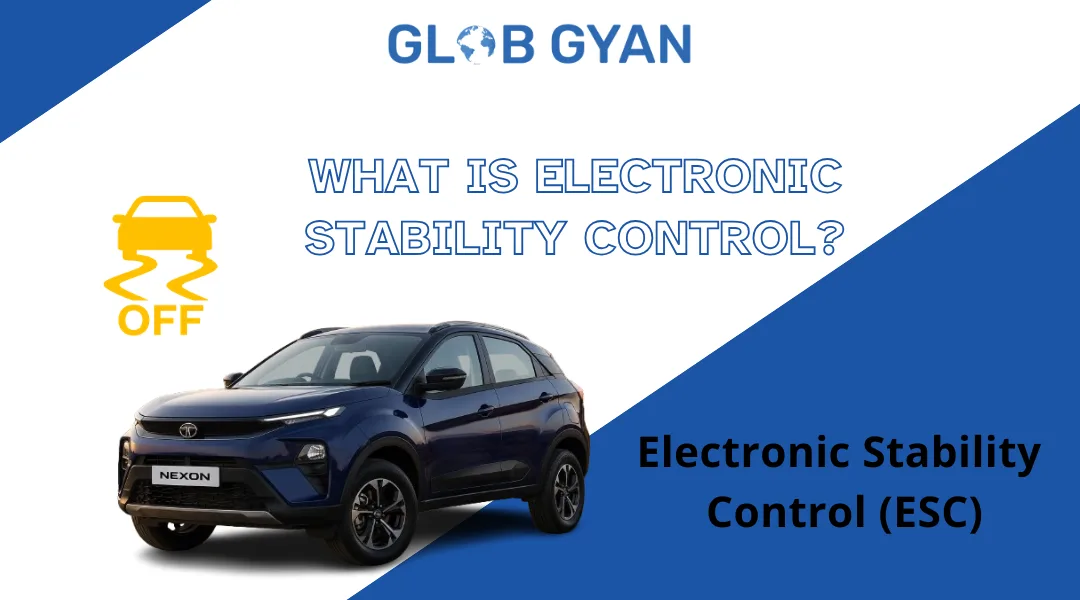
Electronic Stability Control (ESC) is an automatic safety system that prevents your car from skidding or sliding out of control. It works in the background, constantly monitoring your vehicle’s movements. When it detects that your car is about to lose traction, it automatically applies brakes to individual wheels and adjusts engine power to keep you on your intended path.
Think of it like having an expert driver sitting next to you during emergencies. This expert driver watches everything that’s happening and instantly corrects problems before they become dangerous. ESC does exactly this—24/7, without getting tired.
In simple words: ESC prevents skids. ESC keeps your car stable. ESC is constantly working to protect you.
Different Names but Same Technology
ESC goes by many names depending on the car manufacturer:
- Traction Control System (TCS)
- Vehicle Stability Control (VSC)
- Dynamic Stability Control (DSC)
- Stability Control Program (ESP)
Don’t worry about the different names. They all mean the same thing—a system that prevents your car from losing control.
How Does Electronic Stability Control Work?
ESC operates through several sophisticated components working together seamlessly. Let’s break down this complex process into simple steps.
The Brain: Electronic Control Unit (ECU)
At the heart of ESC sits the Electronic Control Unit—basically, your car’s computer brain. This computer constantly receives data from multiple sensors throughout your vehicle. It processes this information 25 times per second (yes, 25 times every single second!).
The Sensors: Gathering Information
ESC relies on several sensors that feed real-time information to the ECU:
Wheel Speed Sensors: These monitor how fast each wheel is spinning. If one wheel spins significantly slower or faster than others, the ECU knows something’s wrong.
Steering Angle Sensor: This tracks which direction you’re turning the steering wheel.
Yaw Rate Sensor: This incredibly important sensor measures your car’s rotation around its vertical axis. If your car starts spinning (yawing), this sensor instantly detects it.
Accelerometer: This measures changes in your car’s speed and direction.
The Action: Intervention When Needed
When the ECU detects a problem, it takes immediate action:
- Applies Individual Wheel Brakes: ESC can brake one wheel while others continue spinning. This helps straighten the car’s path.
- Reduces Engine Power: The system can lower engine output to reduce wheel spin.
- Coordinates All Actions: Everything happens simultaneously, within milliseconds.
Real-World Scenario: What Happens During Skid
Without ESC:
- Driver hits wet patch at highway speed
- Rear tires lose grip
- Car starts sliding sideways
- Driver panics and reacts too late
- Possible crash
With ESC:
- Driver hits wet patch at highway speed
- Sensors immediately detect rear tire slip
- ESC applies brake to one front wheel
- Engine power reduces automatically
- Car straightens within 1-2 seconds
- Driver safely continues driving
Benefits of Electronic Stability Control
1. Accident Prevention
ESC actively prevents the most common types of accidents—skids and loss of control. Studies show ESC reduces single-car accidents by 25-30%.
2. Confidence in Bad Weather
Rain, snow, ice, wet leaves—ESC handles them all. You can drive with greater confidence knowing your car won’t spin out unexpectedly.
3. Saves Lives
The National Highway Traffic Safety Administration (NHTSA) estimates ESC prevents approximately 8,000 fatal crashes annually in the United States alone.
4. Reduces Insurance Claims
Insurance companies recognize ESC’s value. Many offer discounts for ESC-equipped vehicles.
5. Better Vehicle Handling
ESC improves overall vehicle stability, making your driving experience smoother and more controlled.
6. Protects Passengers
Everyone in your vehicle benefits from ESC protection, especially children, elderly passengers, and those with medical conditions.
Cars With Electronic Stability Control
Which Cars Have ESC?
Almost all modern cars manufactured from 2012 onwards have ESC as standard equipment. Here’s the breakdown:
| Vehicle Type | Standard ESC | Availability |
| Luxury Cars | 100% | All models |
| Sedan/SUV | 95%+ | Most models |
| Hatchback | 90%+ | Most models |
| Budget Cars | 85%+ | Most variants |
| Sports Cars | 100% | All models |
| Trucks | 90%+ | Most models |
Popular Indian Cars With ESC
Many Indian cars now offer ESC as standard or optional feature:
- Maruti Suzuki: Swift, Baleno, Ciaz, S-Cross, Vitara Brezza
- Hyundai: Creta, i20, Verna, Kona
- Tata: Nexon, Harrier, Safari, Altroz
- Mahindra: XUV500, XUV300, Bolero
- Honda: City, CR-V, Jazz
- Toyota: Fortuner, Innova, Glanza
- Kia: Seltos, Sonet, Carnival
Pro Tip: Check your car’s manual or specifications. ESC might be available as an optional safety package even if not standard.
When Does Electronic Stability Control Activate?
ESC activates in various dangerous situations:
Wet Road Conditions:
- Heavy rain
- Standing water/hydroplaning
- Slippery surfaces
- Wet leaves
Slippery Surfaces:
- Ice and snow
- Gravel roads
- Loose dirt
- Muddy terrain
Emergency Maneuvers:
- Sudden lane changes
- Hard braking on curves
- Panic swerving
- Overcorrection
High-Speed Situations:
- Cornering too fast
- Sudden speed changes
- Vehicle oversteering or understeering
Real-Life Scenario: You’re driving on a highway during monsoon. Your car suddenly hydroplanes on a water patch. ESC detects this instantly, applies brakes to your wheels, reduces engine power, and stabilizes your vehicle. All this happens in under 1 second—faster than you could even react.
How to Know ESC Is Working?
Visual Indicators
When ESC activates, you’ll see these signs:
Dashboard Light: An orange or yellow light shaped like a car with skid marks appears on your dashboard. This means ESC is currently working.
Brake Feel: You might feel your brakes pulsing or hear rapid clicking sounds from the brake system. This is ESC applying individual wheel brakes.
Engine Sound: The engine might sound different as power adjusts automatically.
Steering Resistance: You might feel slight resistance in the steering wheel as the system makes corrections.
What You Shouldn’t Feel?
A properly functioning ESC should feel smooth and almost unnoticeable. You shouldn’t feel violent jerking or extreme steering movements. If you do, your vehicle might need service.
Myths vs Reality About ESC
| Myth | Reality |
| “ESC replaces good driving” | ESC helps good drivers be safer. Bad drivers still crash. |
| “ESC can prevent all accidents” | ESC prevents ~30% of accidents. Other factors matter too. |
| “ESC makes you slide more” | False. ESC prevents sliding. The light indicates it’s working. |
| “I should turn off ESC in snow” | Wrong. Keep ESC on always. Modern ESC handles snow well. |
| “ESC only works at high speeds” | False. ESC activates at all speeds when needed. |
| “ESC is just marketing” | False. ESC is proven by decades of data to save lives. |
| “All ESC systems are identical” | Different manufacturers have variations, but all serve same purpose. |
| “ESC makes repairs expensive” | ESC prevents expensive crashes. Service costs are minimal. |
Limitations of Electronic Stability Control
While ESC is incredibly valuable, it has limitations:
1. Physics Still Matters ESC cannot overcome the laws of physics. If you’re driving 150 km/h and try to turn on ice, ESC can only help—it can’t prevent all accidents.
2. Works Best With Good Tires ESC needs traction from tires. Bald tires reduce ESC effectiveness. Always maintain proper tire condition.
3. Requires Proper Maintenance ESC works through complex systems. Regular maintenance keeps it functioning properly.
4. Cannot Help Stationary Obstacles ESC prevents skids and loss of control. It won’t help you avoid a parked car or pothole.
5. Works Better in Some Conditions ESC performs best on wet roads and moderate ice. Extreme conditions like deep snow or flooded roads still present challenges.
Tips for Using ESC Effectively
Do This
Keep ESC Always On: Never disable ESC during normal driving.
Maintain Your Vehicle: Regular service keeps sensors and brakes working properly.
Use Good Tires: Quality tires with proper tread depth activate ESC better.
Keep Distances: Maintain safe following distance even with ESC.
Brake Smoothly: Use gentle, smooth braking—ESC works better with gradual inputs.
Check Dashboard: Know what your ESC light means in your specific car model.
Don’t Do This
Don’t Rely Only on ESC: ESC helps, but defensive driving is still essential.
Don’t Drive Recklessly: ESC isn’t an excuse to speed or take risks.
Don’t Ignore Warning Lights: A red ESC light means the system needs service.
Don’t Forget Maintenance: Neglected vehicles lose ESC benefits.
Don’t Disable ESC in Rain or Snow: This defeats the entire purpose.
Understanding ESC Technology Variations
Aggressive ESC
Some high-performance cars have adjustable ESC that allows controlled sliding for experienced drivers. You can dial down ESC intervention while maintaining safety.
Mild ESC
Budget and economy cars typically have more conservative ESC that prioritizes stability over performance.
Sport Mode ESC
Many modern cars offer a “Sport” mode where ESC is slightly less aggressive, allowing more driver involvement while maintaining safety.
The Real-World Impact
Here’s why ESC matters in everyday driving:
Scenario 1: Monsoon Driving A driver encounters a water patch at highway speed. Without ESC, this often ends in a crash. With ESC, the car straightens and continues safely.
Scenario 2: Mountain Roads While negotiating tight curves, a driver loses concentration momentarily. Without ESC, the car might skid off the edge. With ESC, the car automatically corrects and returns to safe path.
Scenario 3: Panic Maneuver A pedestrian suddenly appears, and the driver swerves hard. Without ESC, the sudden maneuver causes a spin. With ESC, the car responds smoothly to the emergency.
Final Thoughts
Electronic Stability Control represents a major leap in automotive safety. It’s technology that actively protects you and your passengers. Unlike passive safety features like seatbelts, ESC actively prevents accidents from happening.
Whether you’re navigating monsoon-soaked roads, driving mountain passes, or just handling unexpected skids, ESC works silently in the background. It’s the reason countless drivers avoid crashes every single day without even realizing it.
The next time you see that orange skid mark light on your dashboard, remember: that’s your car’s best friend kicking in. That’s ESC protecting you. That’s modern technology doing exactly what it’s designed to do—keeping you safe.
Make sure your next car has Electronic Stability Control. Make sure it’s properly maintained. And remember, while ESC is incredible, no technology replaces defensive driving, attention, and responsibility behind the wheel.
Drive safe. ESC is with you.