



Marketing has always been an essential part of business growth and customer engagement. In the past, companies relied heavily on traditional marketing methods such as newspapers, television, radio, billboards, and direct mail to reach their audience. However, with the rapid growth of the internet, smartphones, and digital technologies, the marketing landscape has completely transformed. Businesses now focus more on online platforms to promote their products and services and build strong relationships with customers.
The rise of social media platforms, search engines, and online advertising has made it easier for businesses to reach a global audience in a cost-effective and efficient way. Digital marketing has become a powerful strategy that helps companies improve brand visibility, generate leads, and increase sales. Today, organizations of all sizes, from small startups to multinational corporations, are using digital marketing to stay competitive in the market.
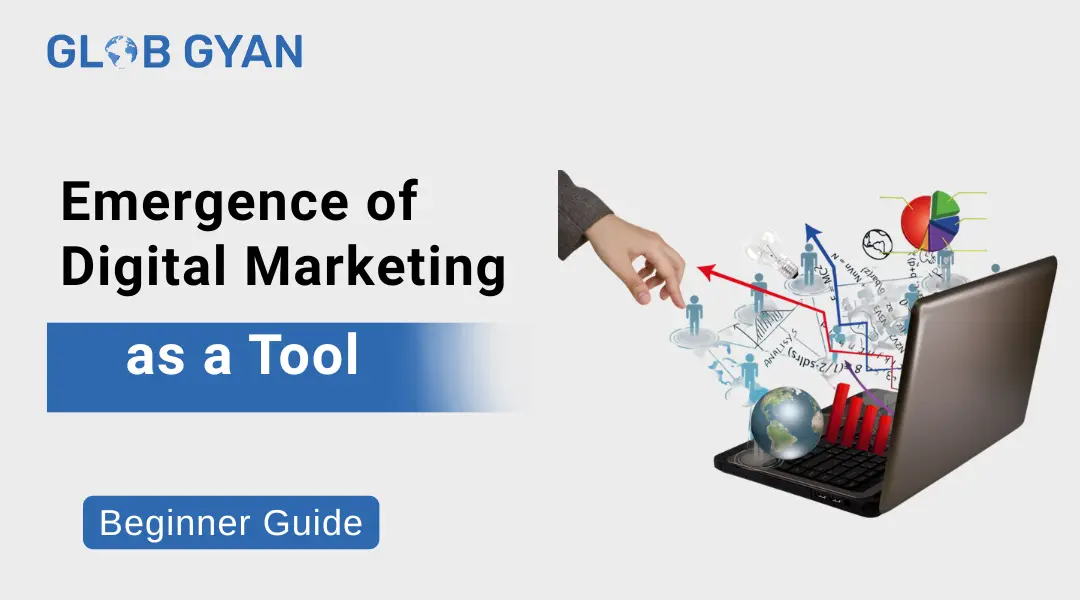
The emergence of digital marketing as a tool has changed the way businesses communicate with customers and promote their products in the modern digital era.
What is Digital Marketing?
Digital marketing refers to the promotion of products, services, or brands using digital platforms and online technologies. It involves the use of the internet, social media, search engines, email, mobile applications, and websites to connect with potential customers and build strong business relationships.
Unlike traditional marketing, digital marketing allows businesses to target specific audiences based on their interests, behavior, location, and online activity. This makes marketing campaigns more effective and result-oriented. Digital marketing also provides real-time data and analytics, helping companies measure performance and improve their strategies.
Some common examples of digital marketing include search engine optimization (SEO), social media marketing, email marketing, content marketing, pay-per-click advertising, and influencer marketing. These tools help businesses reach their audience quickly and efficiently.
Emergence of Digital Marketing as a Tool in Modern Business
The emergence of digital marketing as a tool has become one of the most important developments in modern business. With the increasing use of the internet and digital devices, companies have shifted their focus from traditional marketing to digital platforms. Today, customers spend a significant amount of time online, which makes digital marketing an essential tool for business growth.
Businesses use digital marketing to promote their products, interact with customers, and build brand awareness. It allows companies to reach a global audience without spending a large amount of money. Small businesses can compete with large organizations by using digital marketing strategies such as social media advertising and search engine optimization.
Digital marketing also helps businesses understand customer behavior through data and analytics. Companies can track user activities, analyze preferences, and create personalized marketing campaigns. This improves customer satisfaction and increases conversion rates, making digital marketing a powerful business tool.
History and Evolution of Digital Marketing
Early Stage (1990s)
The early stage of digital marketing started in the 1990s when the internet became available to the public. Businesses began creating websites and using email marketing to communicate with customers. Search engines like Google and Yahoo helped users find information online, which opened new opportunities for online advertising and promotion.
Growth Stage (2000–2015)
Between 2000 and 2015, digital marketing experienced rapid growth. Social media platforms such as Facebook, YouTube, and Twitter became popular, allowing businesses to connect with customers directly. Search engine optimization (SEO) and pay-per-click (PPC) advertising became widely used marketing strategies.
During this period, companies started focusing on content marketing and social media marketing to increase brand awareness and engage customers. Online advertising became more targeted and effective.
Modern Stage (2016–2026)
In the modern stage, digital marketing has become more advanced and technology-driven. Artificial intelligence, automation, and data analytics are widely used to improve marketing performance. Influencer marketing, video marketing, and personalized advertising have become popular strategies.
The emergence of digital marketing as a tool has been strengthened by advanced technologies, making marketing more efficient and data-driven.
Key Factors Behind the Emergence of Digital Marketing
Internet Growth
The rapid growth of the internet has played a major role in the emergence of digital marketing. Millions of people use the internet daily for shopping, communication, and information, creating new marketing opportunities for businesses.
Smartphone Usage
Smartphones have made it easier for people to access online platforms anytime and anywhere. This has increased online shopping, social media usage, and digital engagement, supporting digital marketing growth.
Social Media Platforms
Social media platforms such as Facebook, Instagram, LinkedIn, and YouTube have created new ways for businesses to interact with customers and promote their products.
Artificial Intelligence
AI helps businesses analyze customer data, automate marketing campaigns, and create personalized content, making digital marketing more effective.
Data Analytics
Data analytics allows businesses to track customer behavior, measure campaign performance, and make better marketing decisions.
Importance of Digital Marketing as a Business Tool
The emergence of digital marketing as a tool has made it an essential part of modern business strategy. It helps businesses grow faster and reach a wider audience.
Digital marketing provides global reach, allowing companies to connect with customers worldwide. It is cost-effective compared to traditional marketing, making it suitable for small businesses and startups. Businesses can target specific audiences based on age, location, and interests, improving marketing effectiveness.
Digital marketing also helps in building brand awareness and customer engagement. Companies can communicate directly with customers through social media, emails, and websites. Real-time analytics and performance tracking make digital marketing more reliable and result-oriented.
Major Digital Marketing Tools Used Today
Search Engine Optimization (SEO): SEO helps websites rank higher on search engines and attract organic traffic.
Social Media Marketing: Social media marketing helps businesses promote their products and connect with customers.
Email Marketing: Email marketing allows businesses to send promotional messages and updates to customers.
Content Marketing: Content marketing focuses on creating valuable and informative content to attract customers.
Pay-Per-Click Advertising (PPC): PPC advertising helps businesses get instant traffic through paid ads.
Influencer Marketing: Influencer marketing uses social media influencers to promote products and services.
AI Tools: AI tools help automate marketing tasks and improve efficiency.
Role of AI in the Emergence of Digital Marketing
Artificial intelligence has played a significant role in the emergence of digital marketing as a tool. AI helps businesses automate marketing processes and improve customer experience.
AI-powered chatbots provide instant customer support and improve communication. Personalized recommendations help businesses target customers more effectively. Predictive analytics helps companies understand customer behavior and create better marketing strategies.
AI also helps in content creation, ad targeting, and campaign optimization, making digital marketing more efficient and intelligent.
Advantages of Digital Marketing
Digital marketing offers many advantages to businesses and organizations. It is cost-effective and provides measurable results, making it more efficient than traditional marketing. Businesses can reach a global audience and promote their products easily.
Digital marketing allows real-time communication with customers, improving engagement and trust. It also provides higher return on investment and better brand visibility. Companies can track performance and make necessary improvements quickly.
Challenges in Digital Marketing
Despite its advantages, digital marketing also has some challenges. High competition makes it difficult for businesses to stand out. Frequent algorithm changes affect search engine rankings and social media reach.
Data privacy and security issues are also major concerns. Businesses need technical knowledge and skilled professionals to manage digital marketing campaigns effectively. Content saturation makes it challenging to attract audience attention.
Future of Digital Marketing
The future of digital marketing looks promising and technology-driven. Artificial intelligence and automation will continue to play a major role in marketing strategies. Voice search and smart assistants will change the way customers search for information online.
Video marketing and influencer marketing will become more popular. Personalized advertising and data-driven strategies will improve customer experience. Businesses will focus more on mobile marketing and interactive content.
The emergence of digital marketing as a tool will continue to grow, making it an essential part of business success in the future.
Conclusion
The emergence of digital marketing as a tool has completely transformed the business world and marketing strategies. From traditional advertising methods to advanced digital platforms, marketing has evolved significantly over the years. Digital marketing provides global reach, cost-effective promotion, targeted audience engagement, and measurable results, making it an essential tool for modern businesses.
With the rapid growth of technology, artificial intelligence, and internet usage, digital marketing will continue to expand and improve. Businesses that adopt digital marketing strategies will have better opportunities to grow and succeed in the competitive market. The future of marketing depends heavily on digital platforms, making digital marketing a powerful and necessary tool for business development.
Frequently Asked Questions
The emergence of digital marketing as a tool refers to the growth and development of online marketing methods that help businesses promote products and connect with customers through digital platforms.
Digital marketing is important because it provides global reach, cost-effective promotion, targeted audience engagement, and measurable results for businesses.
The main tools include SEO, social media marketing, email marketing, content marketing, PPC advertising, and influencer marketing.
AI has improved digital marketing by automating campaigns, analyzing customer data, and providing personalized marketing strategies.
Digital marketing offers low cost, global reach, real-time communication, measurable results, and higher return on investment.
Digital marketing faces challenges such as high competition, algorithm changes, data privacy issues, and content saturation.
Social media helps businesses promote products, interact with customers, and build brand awareness effectively.
The future includes AI-driven marketing, voice search, automation, video marketing, and personalized advertising.
SEO helps websites rank higher on search engines and attract organic traffic.
Digital marketing is more cost-effective, measurable, and targeted compared to traditional marketing.