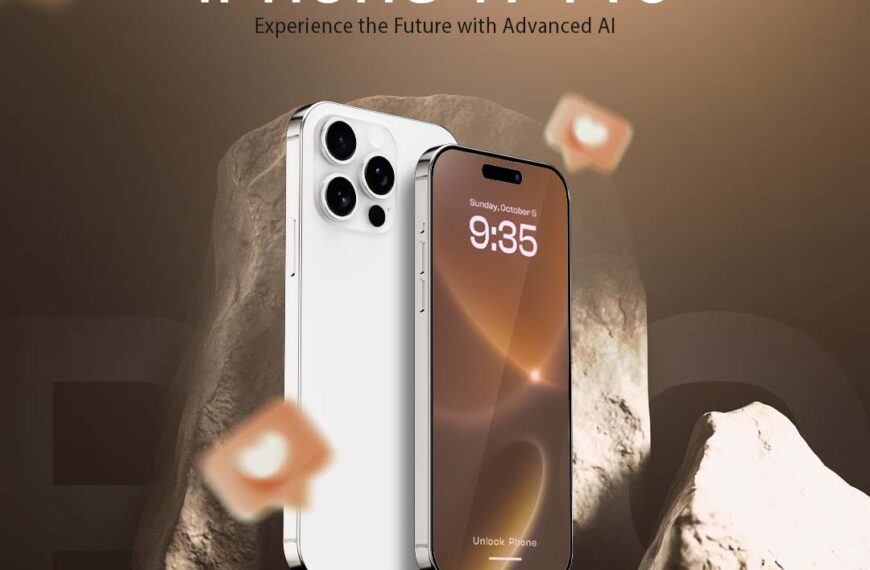
Artificial Intelligence (AI) is no longer just a futuristic concept from science fiction movies—it’s a reality shaping our daily lives. From unlocking our smartphones with face recognition to receiving personalized shopping recommendations, AI is everywhere.
Many people don’t even realize how often they interact with AI. Whether it’s scrolling through social media, asking Alexa for the weather, or getting directions from Google Maps, AI has become an invisible assistant that makes life easier, faster, and smarter.
In this blog, we’ll explore how AI is changing our daily lives—covering areas like communication, healthcare, education, entertainment, and more.
What is AI in Simple Words?
Artificial Intelligence (AI) refers to machines or software that can perform tasks that normally require human intelligence—like problem-solving, decision-making, learning, and understanding language.
Some key AI technologies include:
- Machine Learning (ML) – where systems learn from data.
- Natural Language Processing (NLP) – understanding and responding to human language.
- Computer Vision – recognizing images, faces, and objects.
- Robotics – machines that perform physical tasks.
Now let’s see where we encounter these in daily life.
AI in Communication
- Smart Assistants
- Siri, Alexa, and Google Assistant help us set reminders, send texts, or answer questions instantly.
- These assistants use voice recognition AI to understand our commands.
- Language Translation
- Tools like Google Translate and AI-based translation apps break language barriers.
- Real-time translation helps travelers and businesses communicate globally.
- Email Filters & Smart Replies
- Gmail’s spam filters use AI to keep junk emails away.
- AI also suggests quick reply options like “Yes, I’ll be there.”
👉 Result: Faster, more efficient communication.
AI in Entertainment
- Personalized Recommendations
- Netflix, YouTube, and Spotify use AI to suggest movies, shows, or songs based on your viewing/listening habits.
- Gaming
- Modern video games use AI to create smarter opponents and realistic environments.
- Social Media Feeds
- Facebook, Instagram, and TikTok use AI to decide which posts or videos appear on your feed, making it addictive yet personalized.
👉 Result: Entertainment tailored to your taste.
AI in Healthcare
- Early Disease Detection
- AI-powered tools can analyze medical images (like X-rays or MRIs) to detect diseases such as cancer early.
- Virtual Health Assistants
- Apps like Ada Health use AI to answer health-related queries and guide patients.
- Drug Discovery
- AI accelerates the process of finding new medicines by analyzing huge datasets.
- Robotic Surgery
- Surgeons use AI-assisted robots for precise and minimally invasive surgeries.
👉 Result: Faster diagnosis, better treatment, and improved patient care.
AI in Education
- Personalized Learning
- Platforms like Duolingo and Coursera use AI to adapt lessons based on a learner’s pace.
- Smart Tutors
- Chatbots powered by AI help students solve doubts anytime.
- Plagiarism Detection
- Tools like Turnitin use AI to detect copied content in assignments.
👉 Result: Smarter learning experiences for students and teachers.
AI in Shopping & E-commerce
- Product Recommendations
- Amazon suggests items based on browsing and purchase history.
- AI Chatbots
- Many websites use AI chatbots for instant customer support.
- Visual Search
- Apps like Pinterest Lens let you search products by uploading images.
👉 Result: Easier shopping experiences and personalized offers.
AI in Transportation
- Navigation Apps
- Google Maps and Waze use AI to give real-time traffic updates and fastest routes.
- Ride-Sharing Services
- Uber and Ola use AI to match drivers with passengers and predict fares.
- Self-Driving Cars
- Companies like Tesla are testing AI-powered autonomous vehicles.
👉 Result: Safer and smarter travel.
AI in Finance
- Fraud Detection
- Banks use AI to detect unusual transactions and prevent fraud.
- Robo-Advisors
- Apps like Wealthfront use AI to suggest investment plans based on your risk profile.
- Credit Scoring
- AI evaluates loan eligibility by analyzing spending habits and repayment history.
👉 Result: Smarter money management.
AI in Work & Productivity
- Smart Writing Tools
- Grammarly and QuillBot improve grammar, tone, and sentence structure.
- AI writing assistants help generate blogs, reports, and emails.
- Meeting Assistants
- Tools like Otter.ai transcribe meetings and summarize key points.
- Task Automation
- AI in project management apps like Notion or ClickUp helps assign and track tasks automatically.
👉 Result: Saves time and increases workplace efficiency.
AI in Security & Safety
- Face Recognition
- Used in smartphones and airports for quick identification.
- Home Security Cameras
- AI cameras detect unusual activities and send alerts in real time.
- Cybersecurity
- AI systems detect and block hacking attempts before they cause damage.
👉 Result: Improved personal and digital security.
Benefits of AI in Daily Life
- Saves Time – Automates repetitive tasks.
- Increases Accuracy – Reduces human errors.
- Boosts Convenience – Everything from banking to shopping becomes simpler.
- Personalized Experience – Content, ads, and recommendations fit your lifestyle.
Challenges of AI in Daily Life
- Privacy Concerns – AI collects personal data, raising security issues.
- Job Displacement – Automation may replace some human jobs.
- Overdependence – Too much reliance on AI could reduce human creativity.
- Bias in AI Systems – AI may reflect biases present in its training data.
The Future of AI in Daily Life
AI is still evolving, and in the coming years we can expect:
- Smarter homes with AI-powered appliances.
- Personalized healthcare with AI predicting illnesses.
- Advanced education tools that adapt completely to each student.
- Fully autonomous vehicles reducing accidents and traffic.
- AI companions for elderly care and emotional support.
Conclusion
AI has already become a silent partner in our everyday routines. Whether we’re shopping, learning, working, or entertaining ourselves, AI is making life more efficient, personalized, and secure.
While challenges like privacy and job displacement remain, the benefits of AI far outweigh the risks. The key is to use AI responsibly and ethically, ensuring it enhances human life rather than replacing it.
So next time you get a personalized Netflix recommendation, an accurate Google Maps route, or a quick grammar correction—remember, AI is working behind the scenes to make your daily life easier.