




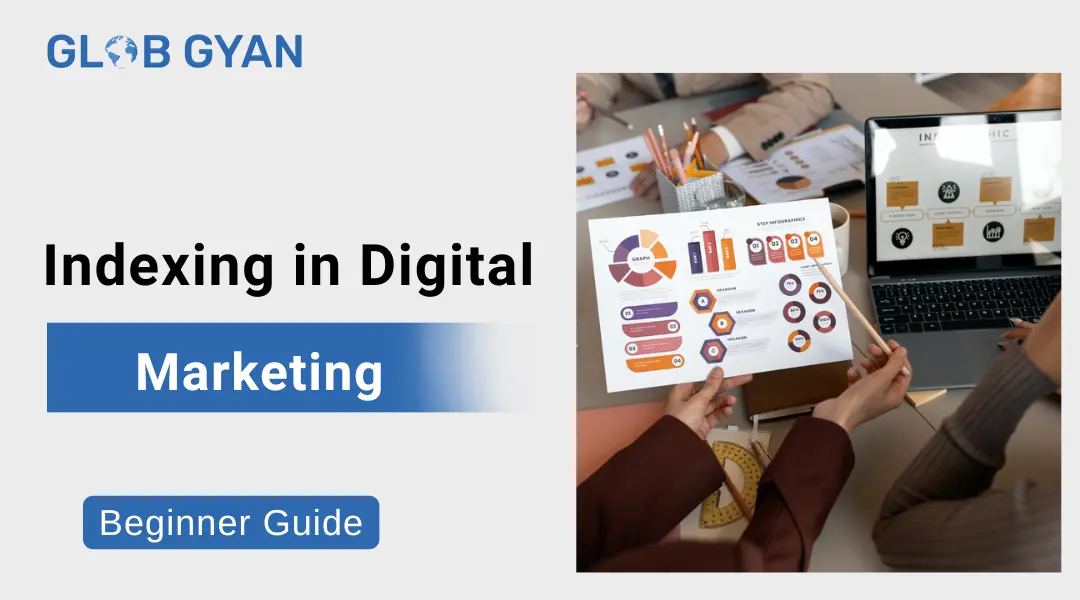
In today’s competitive online world, businesses rely heavily on search engines to attract traffic, generate leads, and grow their brand visibility. Every website owner wants their content to appear on Google and reach the right audience, but many people do not understand the process behind how web pages show up in search results. One of the most important concepts behind this process is indexing in digital marketing.
Indexing is the foundation of search engine optimization because without proper indexing, even high-quality content cannot appear in search engine results. Search engines like Google, Bing, and Yahoo continuously scan and store web pages in their database so they can display relevant results to users. This process ensures that when someone searches for a keyword, the most useful and relevant content appears on the search engine results page.
Understanding indexing in digital marketing helps businesses improve their SEO strategy, increase organic traffic, and ensure their content gets discovered by search engines efficiently.
What is Indexing in Digital Marketing
Indexing in digital marketing refers to the process by which search engines collect, analyze, and store web pages in their database so they can appear in search results when users search for relevant keywords. It is a crucial part of search engine optimization because indexed pages are eligible to rank and generate organic traffic.
In simple terms, indexing works like a digital library. Just as books in a library are organized and stored so readers can find them easily, search engines store web pages in an index to retrieve them when users search for information. If a web page is not indexed, it cannot appear in search engine results, no matter how good the content is.
This process involves search engine bots or crawlers that visit web pages, read their content, analyze keywords, understand structure, and then store the information in a massive database. Once stored, the page becomes part of the search engine index and can be shown to users based on relevance and quality.
Many beginners often ask what is indexing in SEO, and the answer is simple: indexing is the step where search engines store and organize web content after crawling so that it can be ranked and displayed in search results.
What Do You Mean by Indexing
To understand what do you mean by indexing, it is important to break the concept into simple terms. Indexing means storing and organizing information so that it can be easily found later. In digital marketing and SEO, indexing refers to storing web pages in a search engine’s database.
When search engines discover a web page, they analyze its content, keywords, headings, images, and links. After analyzing the page, they decide whether it should be stored in the index. If the page meets quality and technical requirements, it gets indexed and becomes eligible to appear in search results.
Many people confuse indexing with crawling and ranking, but they are different processes. Crawling means discovering web pages, indexing means storing them, and ranking means showing them in search results based on relevance.
So, what is indexing in seo in simple words? It is the process of saving web pages in the search engine database so they can appear when users search for related queries.
How Indexing Works in SEO (Step-by-Step Process)
Understanding how indexing in digital marketing works helps in building a strong SEO strategy. Search engines follow a structured process to index web pages.
Step 1: Crawling
Search engines use automated bots called crawlers or spiders to discover web pages on the internet. These bots follow links, visit websites, and collect information about new and updated pages.
Step 2: Rendering
After crawling, the search engine analyzes the page content, including text, images, videos, keywords, and technical elements like HTML structure. This helps the search engine understand what the page is about.
Step 3: Indexing
Once the page is analyzed, the search engine decides whether it should be stored in the database. If the content is valuable and accessible, it gets indexed. This is the most important stage in indexing in digital marketing.
Step 4: Ranking
After indexing, the page becomes eligible to appear in search results. The ranking process determines where the page will appear based on relevance, authority, and quality.
This entire process ensures that only useful and relevant content appears in search engine results, helping users find accurate information quickly.
Why Indexing is Important in Digital Marketing
Indexing in digital marketing plays a critical role in improving website visibility and search engine performance. Without indexing, a website cannot appear in search results, which means no organic traffic and no online visibility.
One of the main reasons indexing is important is that it allows search engines to store and retrieve web pages efficiently. When a page is indexed, it becomes part of the search engine’s database and can be displayed to users searching for related keywords.
Another important benefit of indexing is increased organic traffic. Indexed pages have the potential to rank on Google, which helps businesses attract visitors without spending money on ads. This leads to better brand awareness and higher conversions.
Indexing also supports content discoverability. When search engines index your content, they understand your website structure and topics, which helps in ranking relevant pages for different search queries.
In simple words, what is indexing in seo is directly connected to visibility, traffic, and growth. A well-indexed website performs better in search results and creates more opportunities for business success.
Types of Indexing in Digital Marketing (Updated 2026)
There are different types of indexing in digital marketing that help search engines organize various forms of content.
Website Indexing
This is the most common type, where web pages are indexed and stored in the search engine database for search results.
Image Indexing
Search engines also index images by analyzing alt text, file names, and surrounding content. This helps images appear in image search results.
Video Indexing
Video content is indexed based on titles, descriptions, and metadata, allowing videos to appear in search and video results.
Mobile-First Indexing
Search engines now prioritize mobile versions of websites for indexing and ranking. This ensures better user experience on mobile devices.
AI-Based Indexing
Modern search engines use artificial intelligence to understand content context, user intent, and relevance, improving indexing accuracy in 2026.
These different types show how indexing in digital marketing is evolving with technology and user behavior.
Indexing vs Crawling vs Ranking
Understanding the difference between these three processes is essential for SEO.
| Process | Meaning | Function |
| Crawling | Discovering web pages | Search engines find content |
| Indexing | Storing web pages | Content saved in database |
| Ranking | Showing web pages | Display in search results |
Crawling is the first step where search engines find content. Indexing is the second step where content is stored, and ranking is the final step where content appears in search results.
Many beginners searching what do you mean by indexing often confuse these processes, but they work together to improve search visibility.
In indexing in digital marketing, all three processes are interconnected and necessary for successful SEO.
How to Check Indexing in SEO
Checking indexing status is important to ensure your web pages are visible in search engines.
Google Search Console
This tool helps check whether your pages are indexed or not. You can use the URL inspection feature to verify indexing status.
Site Search Operator
Using the site:domain.com command in Google helps check indexed pages quickly.
Index Coverage Report
This report shows indexed and non-indexed pages along with errors.
Monitoring these tools helps improve indexing in digital marketing and ensures that important pages are properly stored in search engines.
Common Indexing Problems (2026 Updated)
Many websites face indexing issues that prevent pages from appearing in search results.
Noindex Tag
A noindex tag tells search engines not to index a page, which can block visibility.
Robots.txt Blocking
Incorrect robots.txt settings can stop crawlers from accessing pages.
Duplicate Content
Duplicate content confuses search engines and reduces indexing efficiency.
Slow Website
Slow-loading pages reduce crawl rate and indexing speed.
Poor Internal Linking
Weak internal linking makes it harder for search engines to discover pages.
Understanding what is indexing in seo helps identify and fix these issues quickly.
How to Improve Indexing in Digital Marketing
Improving indexing in digital marketing requires a strong SEO strategy and technical optimization.
Submit XML Sitemap
Submitting a sitemap helps search engines discover and index pages faster.
Use Google Search Console
Regular monitoring ensures indexing errors are fixed quickly.
Create High-Quality Content
Useful and relevant content increases indexing chances.
Improve Internal Linking
Linking pages helps crawlers discover new content easily.
Optimize Website Speed
Fast websites improve crawl efficiency.
Mobile-Friendly Design
Mobile optimization supports better indexing.
Technical SEO
Fixing broken links, improving structure, and optimizing metadata enhances indexing performance.
By following these steps, businesses can ensure their content gets indexed and ranks better in search engines.
Latest Indexing Trends in 2025–2026
Search engines are evolving rapidly, and indexing in digital marketing is becoming more advanced.
AI and machine learning are improving content understanding and relevance analysis. Search engines now focus more on user intent and content quality rather than just keywords.
Mobile-first indexing has become the standard, meaning search engines prioritize mobile versions of websites for indexing and ranking.
Voice search is also influencing indexing, as search engines now focus on conversational and question-based content.
Video and image indexing are growing rapidly, making multimedia content more important for SEO.
These trends show that understanding what do you mean by indexing is essential for staying competitive in modern digital marketing.
Best Tools for Indexing
Several tools help monitor and improve indexing performance.
Google Search Console helps track indexing status and errors.
Screaming Frog helps analyze technical SEO issues.
Ahrefs provides indexing and backlink analysis.
SEMrush helps monitor site performance.
Bing Webmaster Tools supports indexing in Bing search engine.
Using these tools improves indexing in digital marketing and helps maintain website health.
Conclusion
Indexing in digital marketing is one of the most important elements of search engine optimization and online visibility. Without proper indexing, even the best content cannot appear in search engine results or reach the target audience. Understanding what do you mean by indexing and what is indexing in seo helps businesses create better SEO strategies and improve website performance.
From crawling and indexing to ranking and optimization, every step plays a crucial role in ensuring content is discovered and displayed in search results. By using technical SEO, high-quality content, mobile optimization, and proper tools, businesses can improve indexing and increase organic traffic.
In 2026 and beyond, focusing on indexing will remain essential for achieving long-term digital marketing success and maintaining strong search engine visibility.
Frequently Asked Questions
Indexing in digital marketing is the process of storing web pages in a search engine database so they can appear in search results.
Indexing means organizing and storing web content so it can be easily found by search engines.
Indexing in SEO is the process of saving web pages in search engine databases after crawling.
Indexing can take a few hours to several weeks depending on website quality and crawl frequency.
You can use Google Search Console or the site: command.
It helps websites appear in search results and gain organic traffic.
Crawling finds pages, and indexing stores them.
No, a page must be indexed to rank.
Use sitemap, internal links, and quality content.
Yes, but it can be improved with SEO strategies.
learn also: what is digital marketing