




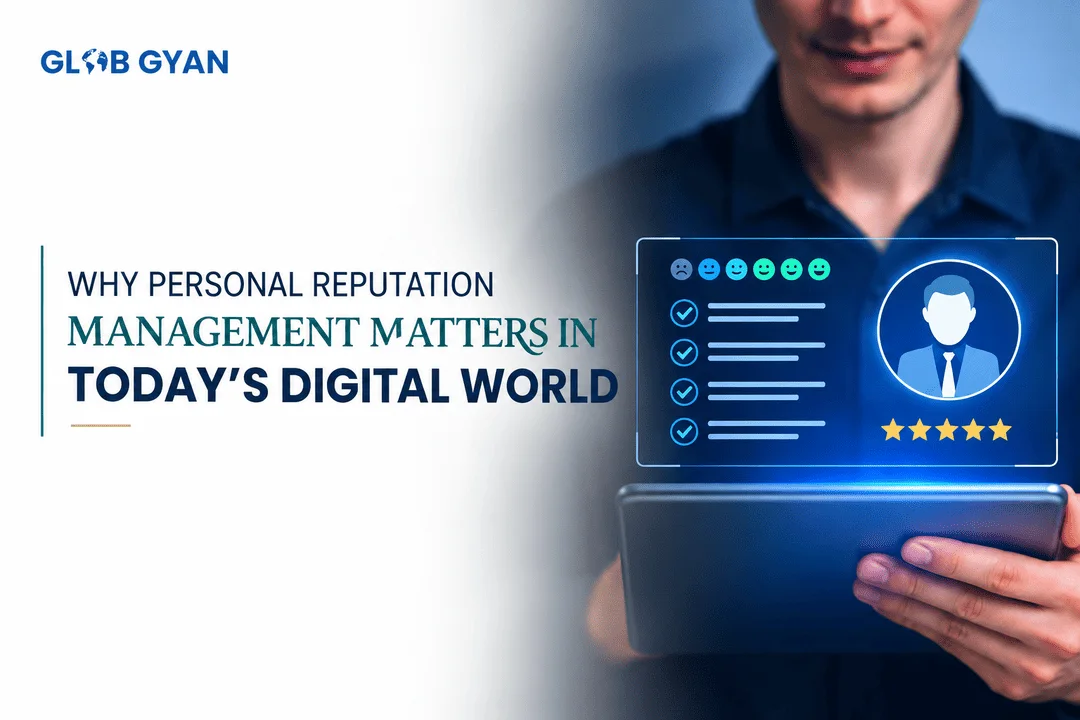
The practice of monitoring, updating, and protecting the information available on the internet about you is crucial to maintaining an authoritative digital presence. An individual’s personal reputation is one of their strongest assets, as it directly influences how your colleagues, partner brands, and employers perceive you. Due to the hyper-connected nature of today’s digital environment, managing personal reputation has become challenging.
Managing your personal reputation gives you control over what is being projected on search results. Aside from bringing new business opportunities, personal reputation management also helps you build an authoritative digital presence. This article sheds light on what personal reputation management is and 10 reasons why it is crucial to manage your personal reputation online.
What is personal reputation management?
Personal reputation management is generally connected to the practice of managing the digital information available online regarding an individual. It ranges from managing social media posts to legal records, professional profiles, reviews, images, and any other content available in the search results. Managing this digital content allows you to shape how you are being perceived by your target audience.
It begins with examining the search results for their authenticity and accuracy. It helps you build a credible online presence by strengthening credible information and mitigating the impact of negative and misleading content. The goal of this practice is to make sure that search results reflect an accurate and positive image of you.
10 Reasons Why Personal Reputation Management Is Crucial
Let’s take a close look at the 10 reasons explaining the importance of personal reputation management:
- Better job opportunities and career growth – Before hiring a candidate, employers go through their applicants’ online presence. Having a clean online profile allows you to rank higher on search results. You can even post industry-related posts and opinions showcasing your knowledge. By making your professional strengths visible, you will be able to drive and earn the trust of employers and brands.
- Earn trust and build credibility – Personal reputation management is the key to earning trust and building credibility for an individual. It includes taking down and removing old negative posts and highlighting your accomplishments. By taking down harmful content and highlighting your achievements, you will be able to present a consistent and positive image.
- Protect personal information – Managing your presence on digital platforms allows you to protect your personal information. Keeping track of your online presence gives you an opportunity to protect personal data from getting exposed online. It minimizes privacy risks and allows you to defend against identity theft.
- Long-term results – An optimised profile delivers long-term success by helping you create a strong first impression. It not only compounds over time but also enables you to draw career advancement, partnerships, and high-value clients.
- Provides you with control over your digital presence – Personal reputation management helps you to take control over your online presence by shaping, monitoring, and improving the search results. This practice involves keeping track of the content that is visible on search results. Online reputation is checked by employers and partners before they offer you a job or sign a contract. You can conduct regular audits or set up tools such as Google Alerts to track mentions and fix issues in their initial stage.
- Increases audience engagement – Once you begin managing your personal reputation, it boosts your audience engagement rate. Sharing accurate information online and publishing posts regularly regarding the industry you work in highlights your expertise to potential employees and keeps them engaged. This leads to professional growth and better career opportunities.
- Prepares for AI search – Personal reputation management allows you to secure visibility on AI platforms. AI has changed the search environment completely. These tools gather and summarise information about an individual and provide it to the user. Managing your personal reputation ensures that AI engines collect the most accurate and positive data about you.
- Protects from crises – Regularly managing how you are being presented on search results allows you to shield your reputation from crises. Tracking online presence actively enables you to identify false claims, slander, and malicious content before they escalate. Maintaining a positive image allows you to mitigate damages caused by a crisis.
- Helps you create instant social proof – Personal ORM helps you create social proof by building trust and highlighting your achievements. Good reviews, testimonials, and positive ratings on a professional site reflect your reliability.
- Strengthens professional networking – When your online presence projects a positive and reliable image, it helps you earn the trust of industry leaders, potential partners, and your peers. It gives you access to jobs before they are posted online, exposes you to fresh ideas, and guides you during career transitions or challenges.
5 Tips to manage your personal reputation online
Managing personal reputation requires expertise and years of experience. Here is a list of tips to manage your personal reputation effectively:
- Conduct self-searches regularly – Perform regular searches for your name online to check what employers, partner brands, and peers find first. You can check the first page of search results, as very rarely does anyone go past it.
- Audit and privatize your social media accounts – Go through your social media accounts to ensure your profile picture, bios, and posts are aligned with your professional goals.
- Build positive, genuine content – Build authoritative profiles on professional networking sites such as LinkedIn by publishing thoughtful articles, blog posts, and case studies to show your expertise.
- Analyse the content before sharing – Before posting anything, it is crucial to evaluate the content. One negative online post is enough to do irreversible damage to your online reputation.
- Address negative content proactively – Suppress negative content by publishing fresh and positive content. It is crucial to maintain a calm and professional tone during interactions.
Conclusion
To conclude, your online reputation is an important part of your professional growth. Whether it is about being visible to an employer or brand partner, if your profile is well optimised and provides accurate information, you are more likely to earn their trust. By proactively managing and maintaining your online image, responding to negative comments, and promoting positive content, you will be able to create an active presence on digital platforms. You may consider working with a professional reputation management firm for better results.