





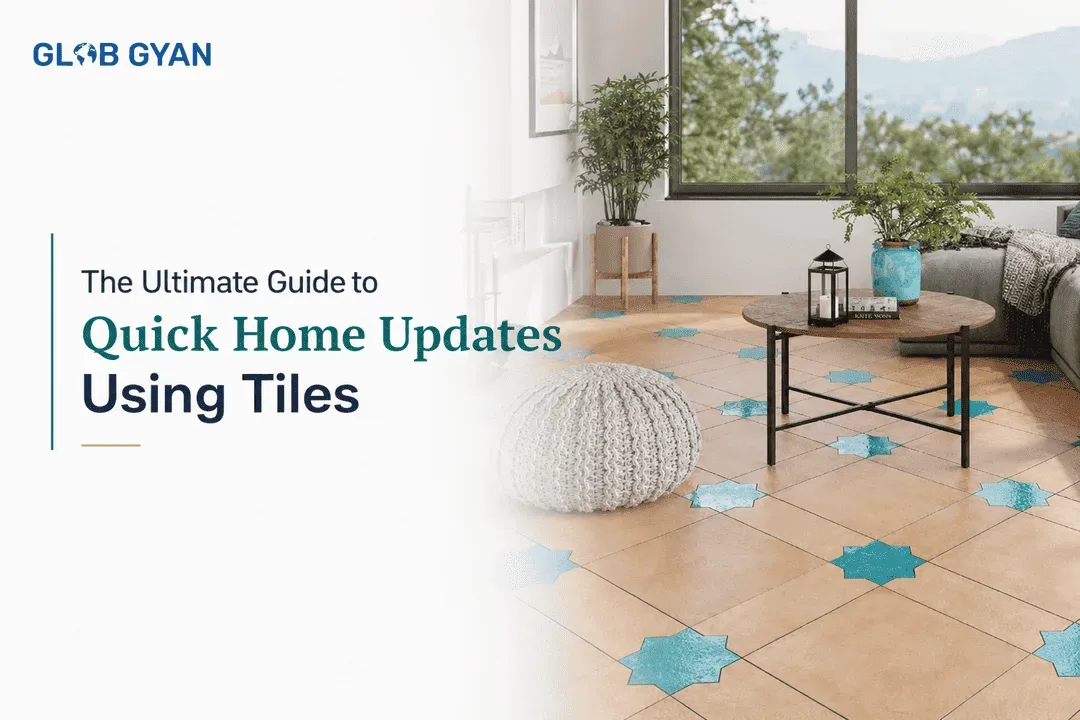
A home can begin to feel dated even when its furniture, layout, and major features are still perfectly functional. Instead of committing to a full renovation, homeowners can focus on a few high-visibility surfaces, such as backsplashes, accent walls, entryway floors, and vanity walls. Updating these areas with the right tile can introduce a new color, pattern, or texture without changing the overall layout of the room.
A complete renovation is not the only way to update your home. Tiles can make a noticeable difference without requiring major changes to the room’s layout or structure. Their versatility makes tiles suitable for smaller surfaces such as walls, kitchen islands, shelves, and vanity walls. Here are some simple ways to refresh your home using tiles.
One Step At A Time
Refreshing a home is an exciting prospect, but tackling it without a proper plan leads to unnecessary expenses and wasted time and effort.
Start by assessing which areas of your home would benefit most from an update. Make a list of all the spaces that need an update. Once you have your list, arrange the projects based on urgency. For example, a damaged backsplash with missing or loose tiles should take priority over a vanity surround that simply looks dated. Remember, a quick refresh doesn’t contribute to a complete renovation. Instead of taking on everything at once, work through your list, handling one project at a time.
Prioritize surfaces that immediately draw attention when you enter a room. These include accent walls, shelves, and backsplashes, among others. Using tiles to update these features can bring a greater visual change than making many minor adjustments.
Refresh Your Entryway With Durable Tile
Entryways need to withstand moisture, dirt, dust, and frequent foot traffic, but they are also among the first things a visitor notices in your home. Ensuring a balance between practical performance and aesthetic appeal is a must when designing entryways.
Porcelain tiles are a practical choice for entryways because of their durability and versatility. They are available in a wide range of colors, patterns, shapes, sizes, and finishes, making it easier to match them with different interior styles.
Porcelain surfaces are also known for replicating the look of natural materials such as wood, stone, metal, and more. So whether you want a white marble look for the walls or muted, earth-toned flooring, porcelain tiles can help you achieve these while offering strength and longevity.
Give Your Kitchen a Quick Tile Refresh
A kitchen generally has two prominent focal points – a backsplash and a kitchen island. Both are practical spaces for a quick tile refresh.
A backsplash is a relatively small surface, but it sits right at eye level, making it visible enough. A kitchen island, on the other hand, is a relatively contained surface that can be updated in no time. Together, these surfaces can help connect the kitchen’s flooring, cabinetry, countertops, walls, and other decorative elements.
Choosing new tile colours or patterns can give your kitchen island and backsplash a cleaner, more visually appealing look. With a wide range of options for kitchen spaces, it’s easier to find a style that complements your existing design. Elongated, large-format tiles are particularly suitable for islands, while patterned or Mediterranean-inspired tiles can add character to a backsplash.
Instead of choosing the same tile for both the island and backsplash, go for different yet complementary options. This will keep the space visually cohesive yet distinct.
Create a Defined Home Office
If your home office occupies part of a bedroom or living room, tiles can help visually separate the workspace from the rest of the room. A tiled accent wall or backsplash can create a clear visual boundary without requiring a physical partition. You can also consider other home office upgrades to create a more functional and professional workspace.
Tiles can visually distinguish your workspace from the rest of the room, creating a subtle division between your personal and professional zones. The visual separation can also make the workspace feel more intentional and organized.
For home workspaces, choose tiles depending on the nature of your work. For creative professions such as design, architecture, and writing, decorative tiles can add an inspiring feel to the space. For work that requires prolonged concentration, a simple tile pattern and restrained color palette can create a clean, uncluttered backdrop.
Refresh Your Bathroom Without Major Renovation
Bathrooms can be notoriously difficult to update as they often have elaborate plumbing layouts or fixtures and fittings. With tiles, you can give your bathroom a new look without making major structural changes.
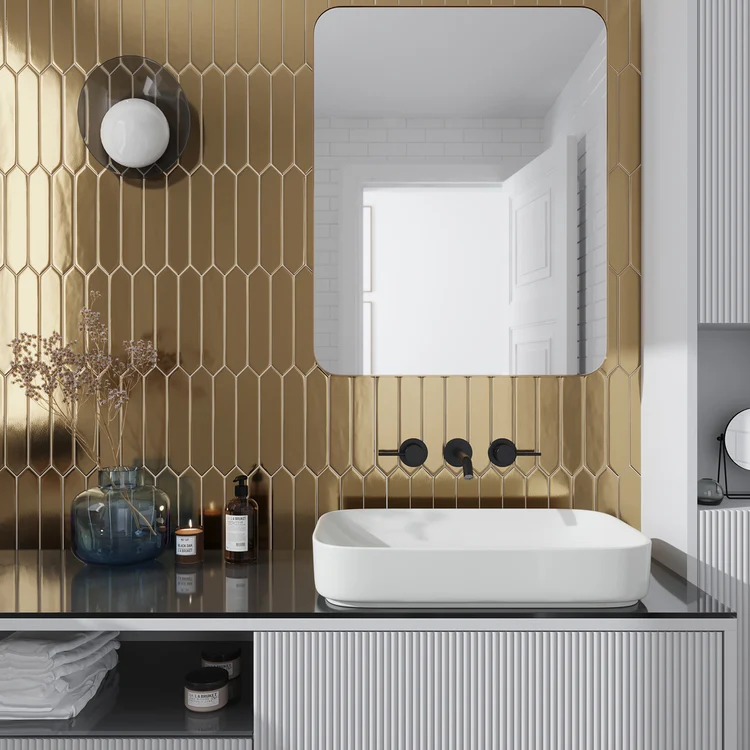
A quick and easy way to update the bathroom is by refreshing the vanity wall. Intricate tiles such as fish-scale or arabesque options can add visual depth and movement to your wall, creating a beautiful backdrop for your mirror, cabinets, and sink.
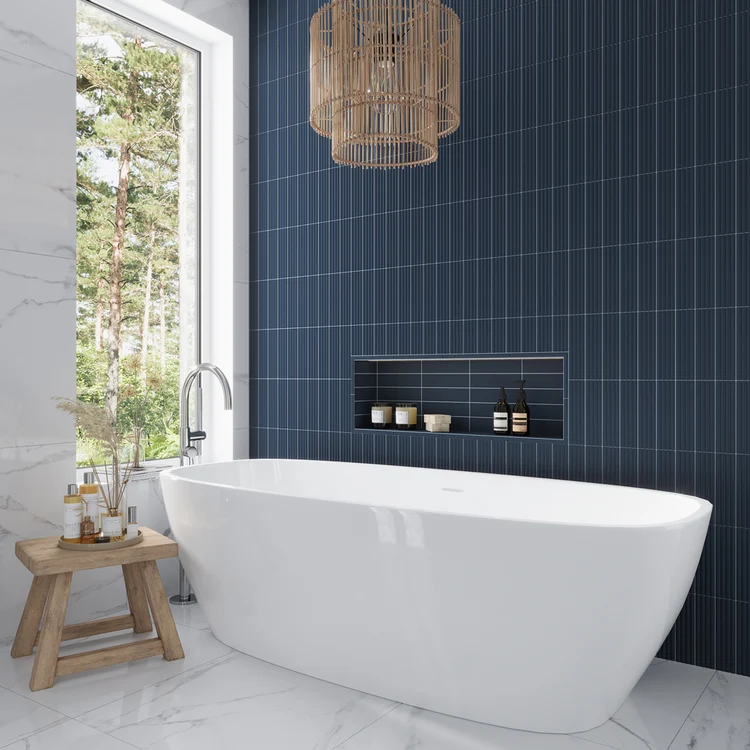
Geometric options such as hexagonal tiles can be used in recessed niches or as bathtub surrounds to introduce clean, precise lines. Alternatively, a dramatic red or black mosaic can define smaller areas while keeping the surrounding surfaces more neutral.
Built-In Shelving
Whether you have a small shelving unit or a full built-in library, tiles can give an undeniably fresh look.
Built-in shelving often blends into the surrounding wall when it has the same paint finish or wallpaper. Tiles can be used in these recessed surfaces to create a remarkable backdrop, allowing the shelves to stand out.
Pastel geometric tiles can complement contemporary shelving, while wood-look porcelain can work well with traditional or transitional cabinetry.
This technique works equally well with entertainment units, display cabinets, accent walls, and other similar surfaces.
Extend Your Tile Design Outdoors
Your tile update can also extend to covered patios, outdoor kitchens, and other exterior living areas. Tiles can be used to connect the interior and exterior elements, ensuring a cohesive look and a smooth transition.
Spaces such as outdoor kitchens, covered patios, sitting areas, and more are ideal for tile updates. Using an exterior-rated tile can help your outdoor spaces feel more finished and uniform. A well-designed outdoor area can also provide a durable and attractive setting for everyday use and entertaining.
Before installing tile outdoors, check that the product is rated for exterior use and is suitable for the expected weather and site conditions. Many interior tiles cannot tolerate exterior elements such as frequent temperature changes, moisture, dirt, and heavy use.
Using related colors or patterns indoors and outside can also make the transition between the two spaces feel smoother and more refined.
Plan Your Tile Design Before Installation
Visualizing a tile before installation can be difficult, particularly when you are working with bold colors, intricate patterns, or unusual layouts. Homeowners can also use digital design and visualization tools to create a preview of how different tile options might look in their space.
If you use an AI visualization tool, provide a clear photo of the room along with the tile style, color, size, and layout you are considering. These tools can also help you compare alternative layouts and design directions based on your preferred style. Treat these visualizations as planning references rather than exact representations of the finished installation, since lighting, scale, grout color, and surface conditions can affect the final result.
Conclusion: Refreshing Without Rebuilding
Updating your home does not always require a full renovation or major structural changes. Even the smallest changes can instantly refresh your space, making it feel brand new.
The key to an effective home update lies in identifying the right focal points and choosing tiles that complement them. By combining thoughtful tile selection with practical planning, you can create a refreshed space that is both visually appealing and suited to everyday use.