




The world is changing faster than ever, and internet technology is evolving with it. A few years ago, 4G completely changed how people used smartphones. Then 5G arrived with faster downloads, lower latency and better connectivity. Now, tech companies and governments are already preparing for the next revolution, the 6G network.
But many people still ask questions like: What is 6G? How much faster is 6G than 5G? When will 6G launch in India? And which country has 6G network technology?
What is 6G Network?
The term 6G stands for the sixth generation of wireless communication technology. It is the future version of mobile internet that will come after 5G. The main goal of the 6G network is to provide extremely fast internet speed, intelligent communication and almost zero delay in data transfer.
Unlike previous generations, 6G will not only connect smartphones. It will connect smart homes, self-driving cars, robots, AI systems, healthcare devices, factories and even entire smart cities.
Experts believe that 6G technology will create a fully connected digital world where machines and humans can communicate instantly.
How Does 6G Technology Work?
The upcoming 6G network is expected to become one of the most advanced communication systems ever created. Unlike older mobile networks, 6G technology will not depend on only faster internet speed. It will combine Artificial Intelligence, cloud systems, smart devices and ultra-high-frequency communication to create a fully connected digital world.
Experts believe that 6G will power future technologies like smart cities, autonomous vehicles, holographic communication, advanced robotics and intelligent healthcare systems. To make this possible, the 6G spectrum will use several powerful technologies together.
Artificial Intelligence (AI)
Artificial Intelligence will play a major role in 6G technology. In current mobile networks, most systems still require manual optimization and monitoring. However, 6G networks are expected to become self-learning and self-managing.
AI in 6G may help:
- Automatically manage network traffic
- Improve internet speed and stability
- Detect technical problems instantly
- Increase cybersecurity protection
- Reduce network congestion
For example, if millions of users are connected at the same time, AI systems can automatically balance the traffic and maintain smooth performance without slowing down the network.
This AI-powered automation is one of the biggest reasons why many experts call 6G the future of intelligent communication.
Machine Learning
Machine Learning is a branch of AI where systems learn from data and improve over time. In the future 6G network, machine learning algorithms may continuously study user behavior and network patterns to improve performance automatically.
Machine learning can help:
- Predict internet usage patterns
- Improve signal quality
- Reduce latency
- Optimize battery usage
- Deliver faster response times
For example, if a user watches videos daily at a certain time, the network may automatically optimize bandwidth for smoother streaming.
This smart adaptation will make 6G technology faster, more efficient and more personalized than previous generations.
Terahertz Frequency Spectrum
One of the most important upgrades in 6G spectrum technology is the use of Terahertz (THz) waves.
Current 5G networks mainly use millimeter-wave frequencies, but 6G is expected to move toward the terahertz spectrum, which can transfer significantly larger amounts of data.
The future 6G speed may become incredibly fast because THz waves can support:
- Ultra-high-speed downloads
- Real-time holographic communication
- 8K and 16K video streaming
- Advanced virtual reality experiences
- Massive device connectivity
1 THz=1000 GHz
Because terahertz frequencies can carry more data than current wireless systems, users may experience internet speeds that are hundreds of times faster than today’s networks.
However, THz waves also come with challenges because they travel shorter distances and can be blocked easily by walls or obstacles. This means future telecom infrastructure will need advanced antennas and smart signal systems.
Cloud Computing
Cloud computing will become a core part of 6G technology. Instead of storing and processing all data on local devices, information will be handled through powerful cloud servers.
This will allow users to:
- Access files instantly from anywhere
- Use high-performance applications without expensive hardware
- Stream games and videos smoothly
- Process massive amounts of data in real time
For businesses, cloud-powered 6G systems may improve:
- Remote work
- AI operations
- Data management
- Online collaboration
The combination of cloud computing and 6G network speed could completely transform how people use the internet in daily life.
Edge Computing
Another important technology in the future 6G network is edge computing.
Normally, data travels to distant servers before returning to users. This process creates delays. Edge computing solves this problem by processing data closer to the user.
This can significantly reduce latency and improve real-time communication.
Edge computing may help:
- Self-driving cars react instantly
- Smart factories operate efficiently
- Online gaming become smoother
- Healthcare devices work in real time
For example, autonomous vehicles cannot wait several seconds for server responses. They need instant decision-making, and edge computing makes that possible.
Satellite Communication
Future 6G technology is also expected to integrate satellite communication systems. Unlike traditional mobile towers, satellites can provide internet connectivity in remote and rural areas where network coverage is weak.
This may help:
- Improve global internet access
- Support communication during disasters
- Connect remote villages
- Provide stable connectivity for airplanes and ships
By combining satellites with terrestrial networks, the 6G network could create worldwide high-speed internet coverage.
Internet of Things (IoT)
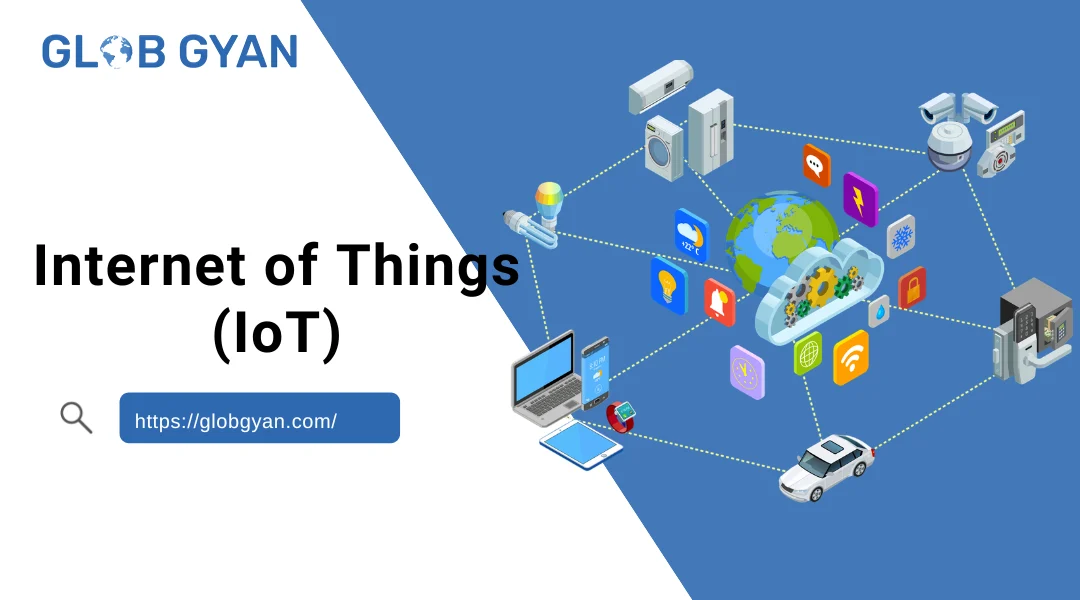
The Internet of Things, also known as IoT, refers to smart devices connected through the internet. In the future, billions of devices may communicate simultaneously using 6G technology.
Examples include:
- Smart homes
- Wearable devices
- Smart traffic systems
- Industrial robots
- Connected healthcare equipment
The future 6G network may support massive IoT connectivity without slowing down performance.
This will play a major role in building:
- Smart cities
- Automated industries
- Intelligent transportation systems
- AI-powered homes
Features of 6G Technology
The future 6G network is expected to completely transform the way people communicate, work, learn, and use the internet. While 5G mainly focuses on faster mobile connectivity, 6G technology aims to create a highly intelligent, ultra-fast, and fully connected digital ecosystem.
Experts believe that the upcoming features of 6G technology will improve everything from online communication and healthcare to smart transportation and virtual reality. The combination of AI, advanced wireless systems, and high-speed connectivity could make the future internet experience smoother and more powerful than ever before.
Below are some of the most important and exciting features expected in the future 6G network.
1. Ultra-Fast Internet Speed
One of the biggest highlights of 6G speed is its incredible performance. Researchers predict that the future 6G network may provide internet speeds up to 1 Terabit per second (Tbps), making it significantly faster than existing mobile networks.
To understand this more clearly:
| Network Generation | Approximate Speed |
| 4G | Mbps |
| 5G | Gbps |
| 6G | Tbps |
1 Tbps=1000 Gbps
This massive improvement in 6G speed could completely change how people use digital services.
For example:
- Large movies may download instantly
- Cloud gaming could become smoother
- 8K and 16K video streaming may work without buffering
- Massive files may transfer within seconds
- Virtual reality experiences could feel more realistic
The ultra-fast speed of 6G technology may also help businesses process huge amounts of data more efficiently. Industries like healthcare, finance, education, and manufacturing could benefit from faster communication and real-time data processing.
Another important advantage is that users may experience stable internet performance even in crowded places like stadiums, airports, shopping malls, and public events.
This is one reason why many experts consider 6G the next major step in network future technology.
2. Near-Zero Latency
Latency refers to the delay between sending and receiving information over a network. In current internet systems, even small delays can affect communication quality, gaming performance, and real-time applications.
One of the most revolutionary features of 6G technology is expected to be near-zero latency.
This means:
- Faster response times
- Real-time communication
- Almost instant data transfer
The future 6G network could reduce latency to less than one millisecond, which is much faster than current mobile technologies.
This improvement may transform several industries and digital experiences.
Online Gaming
Gamers may experience:
- Instant reactions
- No lag
- Smoother multiplayer gameplay
- Better cloud gaming performance
Competitive gaming and esports could become much more advanced because player actions would happen almost instantly.
Video Conferencing
Video meetings may become:
- More stable
- Higher quality
- Buffer-free
- More natural during conversations
This can improve remote work and online collaboration worldwide.
Remote Surgery
One of the biggest real-world uses of low latency is healthcare. Doctors may control robotic surgical systems remotely with real-time precision.
Even a tiny delay can be dangerous during surgery, so the near-zero latency of 6G technology could become extremely valuable in medical applications.
Self-Driving Vehicles
Autonomous vehicles require immediate communication with:
- Traffic systems
- Other vehicles
- Sensors
- GPS systems
The future 6G network may allow self-driving cars to make instant decisions, helping improve road safety and traffic management.
Smart Traffic Systems
Smart cities may use 6G technology to control traffic lights, monitor congestion, and reduce accidents through real-time communication.
This is another example of how network future technology could improve daily life.
3. AI-Powered Smart Network
Artificial Intelligence is expected to become one of the most important parts of the future 6G network.
Unlike traditional mobile systems, 6G technology may depend heavily on AI-driven automation and intelligent decision-making.
The network itself could become smart enough to:
- Learn user behavior
- Optimize performance automatically
- Detect technical problems instantly
- Improve internet stability in real time
This AI-powered approach may make internet connectivity faster, more efficient, and more reliable.
Automatic Traffic Management
AI systems may monitor millions of connected devices simultaneously and automatically balance network traffic to prevent slowdowns.
For example, during heavy internet usage:
- AI can redirect traffic
- Prioritize important communication
- Maintain stable performance
Better Network Security
Cybersecurity is becoming increasingly important in the digital world. AI-based systems in 6G technology may quickly detect suspicious activities, cyberattacks, or unusual network behavior.
This could help:
- Protect user data
- Improve online privacy
- Reduce hacking risks
Reduced Power Consumption
AI may also improve energy efficiency by managing network resources intelligently. This can reduce unnecessary power usage and help telecom systems operate more sustainably.
Improved Stability
Future AI systems may automatically repair minor network issues before users even notice them.
This intelligent automation is one of the key reasons why many experts believe 6G technology will become the foundation of future smart communication systems.
4. Holographic Communication
One of the most futuristic features of 6G technology is holographic communication.
Instead of traditional video calls, future users may communicate using real-time 3D holograms.
This means people could appear as lifelike virtual projections during conversations, creating a more immersive communication experience.
The future 6G network may provide the extremely high bandwidth and low latency required for hologram communication.
Online Education
Students may attend virtual classrooms where teachers appear as interactive holograms instead of standard video calls.
This can make online learning:
- More engaging
- More interactive
- More realistic
Business Meetings
Companies may hold virtual meetings using holographic presentations, improving remote collaboration between teams worldwide.
Entertainment Industry
The entertainment sector could use 6G technology for:
- Virtual concerts
- Advanced gaming
- Interactive live events
- Realistic virtual experiences
Healthcare Consultation
Doctors may interact with patients using holographic medical systems for better remote diagnosis and consultation.
Holographic communication could become one of the biggest innovations in future internet technology.
5. Better Device Connectivity
The future 6G network is expected to support an enormous number of connected devices at the same time without reducing internet performance.
This is especially important because the world is rapidly moving toward smart devices and IoT systems.
Current mobile networks may struggle when too many devices connect in one area. However, 6G technology aims to solve this problem with advanced connectivity systems.
Smart Homes
Future smart homes may connect:
- Lights
- Security cameras
- Appliances
- Smart TVs
- Voice assistants
- Energy systems
All devices could communicate smoothly through the 6G network.
Smart Factories
Industries may use connected robots and automation systems to improve manufacturing efficiency and reduce human error.
Smart Cities
Governments may use network future technology to manage:
- Traffic systems
- Public safety
- Electricity usage
- Water management
- Waste collection
IoT Devices
Billions of Internet of Things devices may stay connected simultaneously using the future 6G network.
Autonomous Vehicles
Self-driving cars, drones, and transportation systems will require stable, high-speed connectivity to operate safely.
This is why better device connectivity is considered one of the most important features of 6G technology.
6G Speed Explained
One of the most common questions people ask today is: How much faster is 6G than 5G? As the world moves toward next-generation connectivity, the speed of the future 6G network has become one of the most exciting topics in the tech industry.
Experts believe that 6G technology could become nearly 100 times faster than 5G, making it one of the biggest upgrades in wireless communication history.
The expected 6G speed may reach up to 1 Terabit per second (Tbps), which is far beyond the capabilities of current mobile networks.
1 Tbps=1000 Gbps
To understand how powerful this is, it helps to compare previous network generations.
| Network | Average Speed |
| 4G | Around 100 Mbps |
| 5G | Up to 10 Gbps |
| 6G | Up to 1 Tbps |
This massive jump in speed shows how rapidly network future technology is evolving.
What is the difference between 5G vs 6G?
Many users compare 5G vs 6G to understand the future of wireless technology.
| Feature | 5G | 6G |
| Speed | Up to 10 Gbps | Up to 1 Tbps |
| Latency | Low | Near Zero |
| AI Integration | Limited | Advanced |
| Device Connectivity | High | Extremely High |
| Spectrum | Millimeter Wave | Terahertz Spectrum |
| Smart Automation | Moderate | Fully Intelligent |
While 5G improved mobile internet, 6G technology aims to build a fully automated digital ecosystem.
Benefits of 6G Networks
The next generation of wireless communication is expected to bring major changes to the digital world. While earlier mobile technologies mainly improved internet access and smartphone connectivity, the upcoming 6G era aims to create a smarter and more connected environment for both businesses and everyday users.
With faster communication, intelligent systems, and advanced connectivity, future networks may support technologies that currently seem futuristic. From virtual learning and smart transportation to healthcare innovation and immersive entertainment, the impact of this technology could be massive.
Below are some of the biggest advantages expected from future wireless communication systems.
Faster and More Reliable Communication
One of the biggest improvements people may notice is smoother and more stable communication. Current networks can sometimes experience delays, buffering, or weak signals in crowded areas. Future connectivity systems are expected to solve many of these problems with better speed and network efficiency.
Users may experience:
- Faster video calls
- Instant file transfers
- Improved cloud access
- More stable internet connections
- Better remote collaboration
This improvement could help businesses operate more efficiently while also making everyday online communication more convenient.
Better Healthcare Services
Healthcare technology is expected to improve significantly with next-generation connectivity. Doctors and hospitals may use advanced digital systems for faster diagnosis, real-time monitoring, and remote medical support.
One of the most exciting possibilities is remote robotic surgery. With ultra-low delay in communication, doctors may control robotic systems from different locations with high accuracy.
Smart healthcare systems may also help:
- Monitor patients continuously
- Share medical data instantly
- Improve emergency response
- Detect health problems earlier
Wearable medical devices could send real-time updates directly to healthcare professionals, improving patient care and treatment efficiency.
More Interactive Online Education
Digital education may become much more advanced in the future. Many online classes today still struggle with poor internet quality, delayed communication, or limited interaction. Future wireless systems could create a more immersive learning experience.
Students may benefit from:
- Interactive virtual classrooms
- Real-time collaboration
- AI-powered learning support
- Augmented and virtual reality lessons
In the future, teachers may even appear as holographic projections during online classes, making digital education feel more natural and engaging.
This could make high-quality education more accessible to students around the world.
Smarter Transportation Systems
Transportation is another area expected to improve dramatically. Autonomous vehicles and intelligent traffic systems require extremely fast communication to operate safely and efficiently.
Future smart transportation systems may help:
- Reduce traffic congestion
- Improve road safety
- Support self-driving vehicles
- Optimize public transport
- Improve fuel efficiency
Traffic lights and road systems could automatically adjust based on real-time traffic conditions. Vehicles may communicate directly with nearby systems to avoid accidents and improve driving decisions.
These advancements could make cities safer and transportation more efficient.
Improved Entertainment Experience
The entertainment industry may also experience major improvements through faster and more stable connectivity.
Users could enjoy:
- Ultra-HD video streaming
- Faster game downloads
- Smoother cloud gaming
- Immersive virtual reality
- Interactive digital experiences
Gaming platforms may provide near-instant response times with almost no lag, creating a much smoother experience for players.
Virtual reality and augmented reality could also become more realistic, helping create advanced digital environments for gaming, education, and live events.
Growth of Smart Cities
Future cities are expected to depend heavily on connected digital systems. Advanced communication networks may allow millions of devices and sensors to work together in real time.
Smart city technologies may improve:
- Traffic management
- Electricity usage
- Public transportation
- Security systems
- Waste management
For example, smart energy systems could automatically reduce electricity waste, while intelligent surveillance systems may improve public safety.
These developments could help cities become more organized, sustainable, and efficient.
Which Country Has 6G Network?
Currently, no country has launched a fully commercial 6G network for public use. However, several countries are actively testing and researching 6G technology.
Countries leading in 6G development include:
- China
- South Korea
- Japan
- United States
- Finland
- India
China has already launched experimental satellites for 6G research. South Korea and Japan are also investing heavily in future wireless communication systems.
When people search for which country has 6G network, the correct answer is that most countries are still in the testing phase.
When Will 6G Launch in India?
India is also preparing for the future of wireless communication. The government has already introduced long-term plans related to 6G technology development.
Experts believe that 6G will launch in India around 2030. Research and testing are already happening in partnership with telecom companies and technology organizations.
India wants to become one of the leading countries in future internet innovation.
The expected launch timeline depends on:
- Infrastructure development
- Spectrum allocation
- Device compatibility
- Telecom investments
6G Phone and Future Smartphones
As interest in future wireless technology continues to grow, many people are searching online for terms like 6G phone, 6G mobile phone in India, and 6G mobile phone in world. Although 6G technology is still under development, smartphone companies and telecom brands have already started preparing for the next generation of mobile communication.
At the moment, there is no officially available 6G smartphone for regular consumers. Most current devices are designed for 4G and 5G connectivity. However, major technology companies are actively researching advanced chipsets, AI-powered processors, and next-generation communication systems that may support future wireless networks.
Experts believe that once commercial 6G services begin rolling out globally, smartphone manufacturers will introduce a completely new category of smart devices built specifically for ultra-fast connectivity and intelligent communication.
What Could Future 6G Phones Offer?
The upcoming generation of smartphones is expected to be far more advanced than today’s mobile devices. Future models may focus not only on speed but also on intelligent performance, immersive communication, and real-time connectivity.
Here are some expected features of future smartphones.
AI-Powered Systems
Artificial Intelligence is likely to become one of the biggest features of future mobile devices. Smartphones may automatically learn user behavior and optimize performance based on daily usage patterns.
AI-powered systems may help:
- Improve battery efficiency
- Enhance camera quality
- Optimize internet connectivity
- Increase device security
- Deliver personalized user experiences
Future smartphones could become much smarter and more automated than current devices.
Hologram Calling Support
One of the most futuristic ideas connected with future smartphones is holographic communication. Instead of traditional video calls, users may communicate through real-time 3D hologram projections.
This technology could completely transform:
- Business meetings
- Online education
- Virtual communication
- Entertainment experiences
Advanced mobile hardware and ultra-fast wireless communication may make hologram calling possible in the future.
Advanced AR and VR Features
Future mobile devices may also support highly immersive Augmented Reality (AR) and Virtual Reality (VR) experiences.
Users may experience:
- Interactive gaming
- Virtual shopping
- Realistic digital environments
- Advanced online learning
- Immersive entertainment
As smartphone processors become more powerful, AR and VR technologies may become a regular part of everyday mobile usage.
Faster Wireless Charging
Battery and charging technology are also expected to improve significantly in future smartphones. New devices may support ultra-fast wireless charging with better energy efficiency and reduced charging time.
Future charging systems may offer:
- Faster power delivery
- Improved battery life
- Better heat management
- Smarter energy optimization
This could make smartphones more convenient for heavy daily usage.
Smart Connectivity Features
The next generation of mobile devices may support advanced smart connectivity systems that allow seamless communication between multiple devices.
Future smartphones could connect smoothly with:
- Smart homes
- Wearable devices
- Autonomous vehicles
- Smart appliances
- AI-powered systems
This connected ecosystem may create a more intelligent and automated digital lifestyle.
What About 6G SIM Card?
Another topic that many people are searching online is the 6G SIM card. As interest in future wireless communication continues to grow, users are becoming curious about whether new SIM technology will also be required for next-generation mobile networks.
At present, no official 6G SIM card exists because commercial 6G services have not launched publicly anywhere in the world. Most countries are still researching and testing future wireless communication systems, and large-scale rollout is expected later in the coming decade.
Current smartphones mainly use:
- 4G SIM cards
- 5G-compatible SIM technology
- eSIM systems
Since the future 6G network is still under development, telecom companies have not yet introduced dedicated SIM cards for public use.
Will Future Devices Need a 6G SIM Card?
Although there is no confirmed information yet, experts believe future telecom providers may introduce upgraded SIM technology or advanced digital connectivity systems designed for next-generation smartphones.
Future mobile devices could support:
- Advanced eSIM technology
- AI-based network authentication
- Faster network access
- Improved security systems
- Smarter connectivity management
Instead of traditional physical SIM cards, future smartphones may rely more on digital SIM systems that can connect automatically with intelligent wireless networks.
How Could 6G SIM Technology Improve Connectivity?
The future 6G technology is expected to support massive data transfer, ultra-fast communication, and billions of connected devices simultaneously. Because of this, future SIM systems may also become more advanced.
Possible improvements may include:
- Faster network switching
- Better global connectivity
- Enhanced cybersecurity protection
- Lower latency communication
- Smarter device authentication
These improvements could help users experience smoother and more secure mobile connectivity in the future.
eSIM May Become More Popular
Many experts believe eSIM technology may replace traditional SIM cards in future smartphones. An eSIM is a built-in digital SIM that does not require a physical card inside the device.
Future smartphones connected to the 6G network may use:
- Remote SIM activation
- Cloud-based network profiles
- AI-powered connectivity systems
- Automatic carrier switching
This could make mobile connectivity faster, more flexible, and easier to manage.
Conclusion
The future of internet communication is moving rapidly toward the 6G network era. From ultra-fast speed and AI-powered systems to holographic communication and smart cities, 6G technology could completely transform how humans interact with technology.
Although the technology is still under development, countries around the world are investing heavily in research and innovation. In the coming years, the transition from 5G to 6G may become one of the biggest technological revolutions in history.
If current progress continues, the world may soon experience a smarter, faster, and more connected digital future powered by 6G.
FAQs
6G is the sixth generation wireless communication technology that will succeed 5G and provide ultra-fast internet with advanced AI integration.
The expected 6G speed could reach up to 1 Terabit per second, making it much faster than 5G.
6G will offer higher speed, lower latency, better AI integration, and smarter connectivity compared to 5G.
No country has fully launched 6G commercially yet, but China, Japan, South Korea, the USA, and India are actively researching it.
Experts expect 6G launch in India around 2030 after testing and infrastructure development.
Currently, no commercial 6G phone is available, but future smartphones are already under development.