




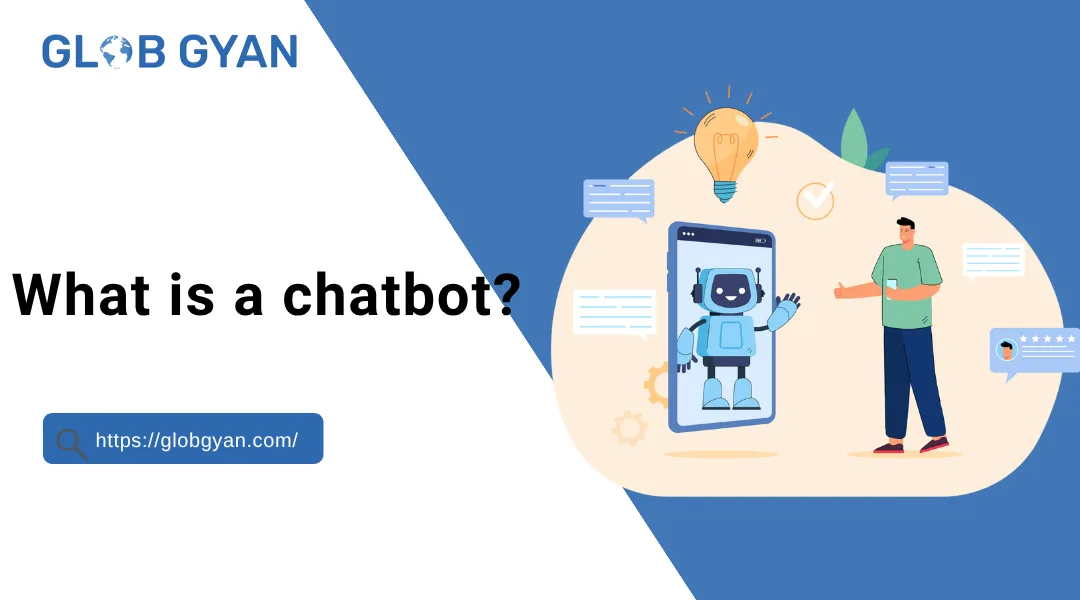
Artificial intelligence (AI) chatbots are one of the most exciting innovations in today’s digital world. If you’ve ever wondered what is a chatbot, the simple answer is: it’s a smart tool that can talk to users and help them with different tasks online.
AI chatbots can do almost everything from helping you order food and answering your questions to guiding you through complex services like online purchases or business inquiries. This is why chat AI is becoming so popular across websites and apps.
Sometimes, AI chatbots feel almost like magic. They reply instantly, understand your questions, and even learn over time. Because of this, many people feel confused or even a little unsure about how they actually work.
But in reality, AI chatbots are just a powerful part of artificial intelligence and automation. They are designed to improve communication, save time and make user experience better especially for businesses.
So, if you’re thinking about what is a chatbot, how do chatbots work, and how can they help your business? you’re in the right place.
In this guide, we’ll explain everything in simple language, including how AI chatbots work, their benefits and the most common chatbot use cases.
What is an AI Chatbot?
An AI chatbot is a smart software program that can talk to users, understand their questions, and give human-like responses using artificial intelligence and automation.
If you’re wondering what is a chatbot, an AI chatbot is the advanced version of it. Instead of just following fixed rules, it can understand meaning, learn from conversations, and improve over time using machine learning in chatbot systems.
Types of Chatbots
Chatbots come in different types based on how advanced and intelligent they are. If you’re learning what is a chatbot, understanding these types will help you choose the right solution for your needs.
Most modern chatbots use artificial intelligence and automation, especially technologies like Natural Language Processing (NLP), to understand and respond to users. However, not all chatbots work the same way.
Here are the three main types of chatbots:
1. Rule-Based Chatbots
Rule-based chatbots are the simplest type of chatbot.
They follow fixed rules and predefined responses. These bots work by matching user inputs with specific commands or keywords.
- Best for basic tasks like FAQs
- Limited understanding
- No learning capability
These are commonly used by small websites or as a starting chatbot for small business solutions.
2. AI-Powered Chatbots (Generative AI)
AI-powered chatbots, also known as chat AI, are much more advanced.
They can understand context, process natural language, and generate human-like responses. These bots use machine learning in chatbot systems to improve over time.
- Understand user intent
- Provide dynamic responses
- Learn from interactions
However, sometimes these chatbots can give incorrect or misleading answers (known as AI hallucinations). That’s why businesses often combine them with structured logic for better accuracy.
3. AI Agents (Advanced Chatbots)
AI agents are the next level of chatbot technology.
These are highly intelligent systems designed to handle complex conversations and tasks without human help. They combine AI capabilities with deep system integration.
- Handle complex customer queries
- Work 24/7 without interruption
- Used widely in ai chatbots for businesses
AI agents are especially useful for companies that want to fully automate customer support and improve user experience.
Difference Between Chatbots, AI Chatbots, and AI Agents
Many people get confused between chatbots, AI chatbots and AI agents. If you’re trying to understand what is a chatbot, this comparison will make things clear in a simple way.
All these tools are part of artificial intelligence and automation, but they differ in how smart they are, how they work, and what tasks they can handle.
| Feature | Chatbots (Traditional) | AI Chatbots (Chat AI) | AI Agents |
| Definition | Basic bots that follow predefined rules | Smart bots that use AI to understand and respond | Advanced systems that can act, decide, and automate tasks |
| Technology Used | Simple automation, decision trees | NLP + machine learning in chatbot systems | Advanced AI, automation, integrations, real-time data |
| Understanding Ability | Limited (keyword-based) | Understands context and user intent | Deep understanding + decision-making capability |
| Learning Ability | No learning | Learns from conversations | Continuously learns and improves |
| Response Type | Fixed and scripted | Dynamic and human-like | Intelligent + action-based responses |
| Task Capability | Simple tasks (FAQs, basic queries) | Conversations, support, recommendations | Complex tasks, automation, problem-solving |
| Human Interaction | Very limited | Natural conversation | Human-like + autonomous actions |
| Use Cases | Customer support, FAQs | Websites, apps, virtual assistants | Business automation, analytics, operations |
| Best For | Small tasks, basic chatbot for small business | Customer experience using chat AI | Advanced ai chatbots for businesses |
| Limitations | No flexibility, no intelligence | May give incorrect answers sometimes | Requires setup, data, and integration |
What Are the Benefits of Chatbots?
Chatbots have become a practical tool for businesses, not just a trend. They help streamline communication, reduce manual work, and improve how customers interact with a brand.
Here are some of the most important benefits explained in a simple way:
1. 24/7 Customer Support
One of the biggest advantages of chatbots is that they are always available.
Unlike humans, chatbots don’t need breaks. They can answer customer queries anytime day or night — across websites, apps, or messaging platforms.
This is one of the top chatbot on website benefits, as users get instant help without waiting.
2. Faster Business Growth and Scalability
Chatbots allow businesses to handle multiple customers at the same time.
- No waiting queues
- Faster responses
- More customers served
This makes it easier for companies to grow without increasing their support team size.
3. Increased Conversions and Sales
Chatbots can guide users during their buying journey.
They can:
- Suggest products
- Show options
- Collect user details
This helps turn visitors into customers, making them a powerful tool for ai chatbots for businesses.
4. Better Personalization
Modern chatbots can collect and use customer data like:
- Name
- Preferences
- Past interactions
This allows them to give personalized responses, improving user experience and building trust.
5. Reduced Workload for Teams
Chatbots handle repetitive tasks like FAQs and basic queries.
This allows human teams to focus on more important and complex issues, improving overall productivity.
6. Consistent and Accurate Responses
Chatbots provide the same quality of answers every time.
- No mood changes
- No human error in simple queries
- Consistent brand voice
This ensures every customer gets a reliable experience.
7. Improved Customer Engagement
With quick replies and personalized interaction, chatbots keep users engaged.
This leads to:
- Better communication
- Higher retention
- Stronger customer relationships
8. Cost Savings for Businesses
Using chatbots reduces the need for large support teams.
- Lower operational costs
- Faster issue resolution
- Better efficiency
This is especially helpful for a chatbot for small business looking to grow with limited resources.
9. Higher Customer Satisfaction
Customers prefer fast and easy support.
Chatbots reduce waiting time and provide instant solutions, which leads to better satisfaction and improved overall experience.
Common Chatbot Use Cases
If you’re exploring what is a chatbot, understanding how businesses actually use them will give you a clear picture of their real value.
Today, with the rise of chat AI and artificial intelligence and automation, chatbots are used in many areas — from customer support to sales and internal operations.
Here are the most common chatbot use cases explained in simple language:
1. Customer Support Automation
One of the most popular uses of chatbots is customer service.
Chatbots can:
- Answer common questions
- Solve basic issues
- Provide instant responses
This reduces waiting time and improves customer experience.
2. FAQ Handling
Basic chatbots are perfect for answering frequently asked questions.
They pull answers from a knowledge base and provide quick replies without human help.
This is one of the easiest ways to implement a chatbot for small business.
3. Lead Generation and Sales Support
Chatbots can interact with website visitors and collect important information like:
- Name
- Contact details
- Requirements
They can also suggest products and guide users, making them powerful tools for ai chatbots for businesses.
4. Data Collection and Insights
Chatbots can collect large amounts of user data during conversations.
Businesses use this data to:
- Understand customer behavior
- Improve products and services
- Optimize chatbot performance
5. Password Reset and Account Help
Chatbots can assist users with simple account-related issues like:
- Resetting passwords
- Account recovery steps
- Login support
This saves time for both users and support teams.
6. Personalized Recommendations
Modern chat AI systems can suggest products or services based on:
- Past behavior
- Preferences
- User activity
This creates a more engaging and personalized experience.
7. Appointment Scheduling
Chatbots can book appointments automatically.
- Choose date and time
- Confirm bookings
- Send reminders
This is widely used in healthcare, salons, and service-based businesses.
8. Employee Support
Chatbots are not just for customers — they also help employees.
They can:
- Answer HR-related questions
- Provide company information
- Assist with internal processes
9. Omnichannel Customer Support
Chatbots can work across multiple platforms like:
- Websites
- Facebook Messenger
- Mobile apps
They provide consistent support everywhere, improving accessibility.
10. Order Tracking and Updates
Chatbots can help customers track their orders in real time.
- Check product availability
- Share shipping updates
- Handle returns and refunds
This improves trust and transparency.
How AI Chatbots Are Used Across Businesses
After understanding what is a chatbot, the next important step is knowing how businesses actually use them in real life.
Today, with the growth of chat AI and artificial intelligence and automation, chatbots are not limited to customer support. They are helping different teams inside a company work faster, smarter, and more efficiently.
Here’s how ai chatbots for businesses are used across different industries and departments:
1. Sales Teams
AI chatbots help sales teams generate more leads and improve conversions.
They can:
- Answer product-related questions instantly
- Collect customer details
- Guide users through the buying process
This allows sales teams to focus on high-value customers and complex deals.
2. Customer Service
Customer support is one of the biggest areas where chatbots are used.
- Provide 24/7 assistance
- Solve common problems instantly
- Offer self-service options
This is one of the biggest chatbot on website benefits, as customers get quick help anytime.
3. Marketing Teams
Chatbots make marketing more effective and automated.
They can:
- Collect survey data
- Engage users with personalized messages
- Support campaigns and promotions
This helps businesses improve user experience and increase engagement.
4. E-commerce and Online Business
In online shopping, chatbots play a very important role.
They can:
- Recommend products based on user behavior
- Track orders and deliveries
- Remind users about abandoned carts
This improves conversions and customer satisfaction.
5. Healthcare Industry
In healthcare, chatbots help both patients and staff.
- Answer patient queries
- Schedule appointments
- Provide basic health guidance
Advanced systems can even assist in diagnostics and personalized suggestions.
6. Automotive Industry
Chatbots help customers with:
- Vehicle-related questions
- Booking services
- Troubleshooting issues
This improves customer support without increasing workload.
7. Financial Services
Banks and financial companies use chatbots for:
- Account-related queries
- Financial advice
- Fraud detection and security checks
This makes services faster and more secure.
8. Transportation and Travel
Chatbots are widely used in travel and transport systems.
- Booking tickets
- Providing real-time updates
- Answering travel queries
They also help improve operational efficiency.
9. Hospitality Industry
Hotels and restaurants use chatbots to improve guest experience.
- Handle bookings
- Provide recommendations
- Enable contactless services
This creates a smooth and modern customer experience.
10. Internal Business Operations
Chatbots also help inside companies.
- HR support
- Employee queries
- Process automation
This reduces workload and increases productivity across teams.
Challenges of Chatbots
While learning what is a chatbot, it’s equally important to understand that chatbots also have some limitations. Even though chat AI and artificial intelligence and automation have improved a lot, there are still challenges businesses need to manage.
Let’s look at the most common chatbot challenges in a simple way:
1. Incorrect or Misleading Responses (AI Hallucinations)
Sometimes AI chatbots generate answers that sound correct but are actually wrong.
This happens because the system predicts responses based on patterns instead of true understanding.
Solution:
Use well-trained systems and regularly update chatbot data to improve accuracy.
2. Data Security and Privacy Concerns
Chatbots handle user data like names, emails, and queries. If not managed properly, this can create security risks.
Solution:
- Use secure platforms
- Follow data protection policies
- Protect customer information
3. Time and Effort for Setup
Setting up a chatbot can take time, especially for beginners.
- Requires planning
- Needs proper integration
- Initial setup effort
Solution:
Use easy-to-deploy chatbot tools that reduce technical complexity.
4. Training and Data Dependency
Chatbots depend heavily on training data.
If the data is:
- Outdated
- Biased
- Incomplete
Then the chatbot may give poor responses.
This is why machine learning in chatbot systems needs regular updates.
5. Language and Communication Limitations
Not all chatbots can handle multiple languages or understand different communication styles.
Solution:
Use advanced chat AI systems that support multilingual conversations and better language understanding.
6. Lack of Context Understanding
Basic chatbots often fail to understand the full meaning of a conversation.
They may:
- Give irrelevant answers
- Miss the actual user intent
Advanced AI chatbots improve this by understanding context and conversation history.
7. Limited Handling of Complex Queries
Chatbots are great for simple tasks, but they may struggle with complex or emotional situations.
Solution:
Combine chatbots with human support for better results.
Final Thoughts
Now that you understand what is a chatbot and how it works, it’s clear that AI chatbots are no longer just a trend they are becoming an essential part of modern business.
From my perspective, chat AI has completely changed how businesses communicate with customers. Whether you’re running a small business or working in a large company, chatbots make support faster, easier, and more efficient for both teams and users.
With the power of artificial intelligence and automation, chatbots continue to improve over time. They learn from interactions, become smarter, and can handle a wide range of tasks — from simple queries to more complex conversations.
The best part is that getting started is now easier than ever. You don’t need advanced technical skills to implement a chatbot on your website or platform.
So, if you haven’t explored the benefits of chatbots yet, now is the perfect time. Try it, test it, and see how much value a chatbot can bring to your business.
FAQs
A chatbot is a software program that can talk to users through text or voice. It is used to answer questions, provide support, and automate conversations on websites and apps.
Chatbots work using technologies like Natural Language Processing (NLP) and machine learning in chatbot systems. They understand user queries and respond instantly based on data and training.
A basic chatbot follows fixed rules, while an AI chatbot uses chat AI to understand conversations, learn from data, and give more human-like responses.
Some key advantages of chatbots include 24/7 support, faster responses, cost savings, improved customer experience, and the ability to handle multiple users at once.
Common chatbot use cases include customer support, lead generation, appointment booking, FAQ handling, and order tracking.
A chatbot for small business helps reduce workload, automate customer support, generate leads, and provide 24/7 service without increasing costs.
Important chatbot features include instant replies, automation, personalization, multi-platform support, and analytics for performance tracking.
Yes, AI chatbots are generally safe if proper security and privacy measures are followed. Businesses should ensure data protection and secure systems while using chatbots.
Some major chatbot on website benefits include instant customer support, better engagement, improved conversions, and reduced response time.
AI chatbots for businesses are used for customer service, sales, marketing, data collection, and automation to improve efficiency and customer experience.