




Marketing today has become more complex than ever. Teams are handling multiple responsibilities at once running email campaigns, managing social media, creating landing pages and analyzing performance data. At the same time, customers expect personalized experiences across every platform.
This is where AI marketing automation is changing the game.
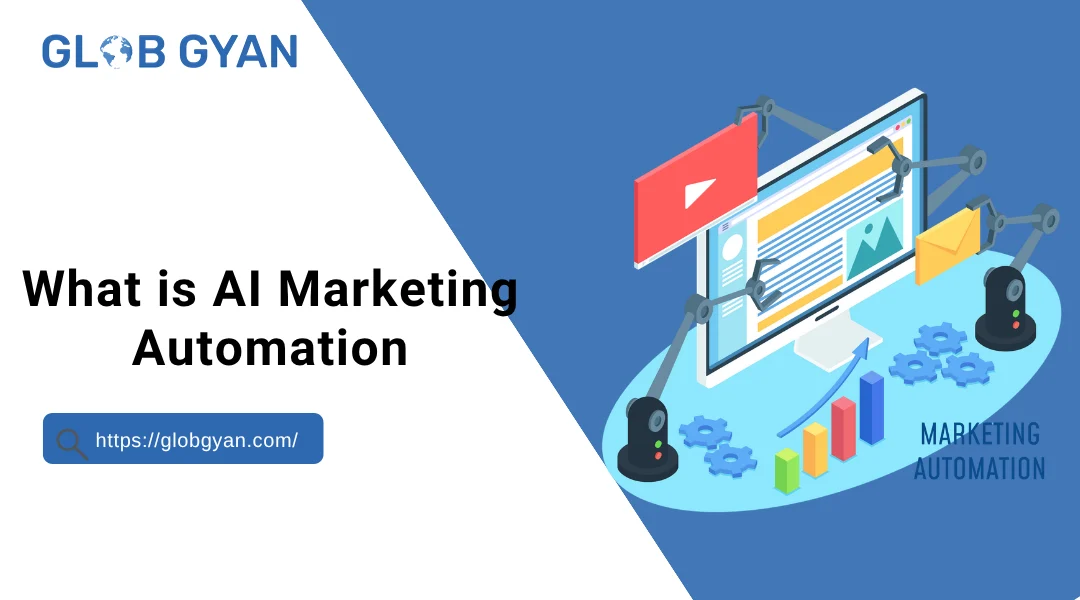
By combining artificial intelligence and automation, businesses can automate repetitive tasks while making smarter, data-driven decisions. Unlike traditional marketing automation tools, which work on fixed rules, modern systems powered by AI can learn from user behavior, predict outcomes and optimize campaigns in real time.
With the rise of marketing automation using AI, companies can:
- Deliver highly personalized customer experiences
- Improve targeting through predictive analytics
- Save time by automating workflows
- Increase conversions with smarter decision-making
Today, a wide range of AI marketing tools are available that support everything from content creation to search marketing automation and campaign optimization. Behind the scenes, a strong marketing automation architecture connects data, AI models and execution tools to create seamless marketing processes.
Many successful brands are already using these technologies, as seen in various marketing automation examples and real-world marketing automation case studies. These examples clearly show how AI can improve efficiency, boost engagement and drive better ROI.
As per the latest marketing automation news, AI adoption is growing rapidly and businesses that fail to adapt risk falling behind.
So, what exactly is AI marketing automation, how does it work, and why is it becoming essential for modern marketing?
In this complete guide, you’ll learn everything from basic concepts to advanced strategies, so you can understand and apply AI marketing automation effectively.
What is AI Marketing Automation?
AI marketing automation is the use of artificial intelligence and automation technologies to automatically manage, analyze and optimize marketing activities.
In simple terms, it means using advanced systems and AI marketing tools that can understand customer behavior, process large amounts of data and take smart actions without constant human input.
These tools can:
- Understand user behavior and intent
- Analyze real-time data
- Make data-driven decisions
- Run and optimize campaigns automatically
Unlike traditional marketing automation tools, which rely on fixed rules and manual setup, marketing automation using AI is dynamic. It continuously learns from data using machine learning and improves performance over time.
Example:
When a user visits your website and shows interest in a product, AI can instantly:
- Send a personalized email based on their behavior
- Show relevant ads through search marketing automation
- Recommend products they are most likely to buy
This entire process is powered by a smart marketing automation architecture, where data, AI and automation tools work together seamlessly.
As seen in many marketing automation examples and real-world marketing automation case studies, businesses using AI achieve better targeting, higher engagement and improved conversions.
Why AI Marketing Automation is Important
AI marketing automation is important because it changes marketing from a fixed plan into a smart, responsive system. Instead of running campaigns and waiting for results, businesses can use artificial intelligence and automation to continuously analyze data, make decisions and optimize performance in real time.
This creates a connected loop where data analysis, decision-making, and execution work together seamlessly. As a result, marketing teams can spend more time on strategy and creative ideas, while AI marketing tools handle daily tasks like campaign optimization, targeting and reporting.
Shift from Campaign-Based to Always-On Marketing
In the past, marketers depended on traditional marketing automation tools that followed predefined rules and schedules. However, modern customer journeys are more complex and spread across multiple platforms.
With marketing automation using AI, businesses can move to an “always-on” marketing approach that:
- Responds instantly to customer actions
- Adjusts campaigns in real time
- Delivers consistent personalization across channels
This transformation is a core part of modern marketing automation architecture, where systems are integrated and continuously learning from data.
Turning Data into Actionable Insights
For years, companies collected large amounts of customer data, but much of it was underutilized. AI marketing automation changes this by making data an active part of decision-making.
AI systems:
- Monitor user behavior continuously
- Analyze campaign performance in real time
- Generate instant, actionable insights
This reduces reliance on guesswork and delayed reports. Instead, businesses can use search marketing automation and predictive analytics to take immediate action.
Many successful marketing automation examples and marketing automation case studies show how AI-driven insights lead to better targeting, higher engagement and improved ROI.
Improving Efficiency and Marketing Performance
One of the biggest advantages of AI marketing automation is efficiency. By automating repetitive tasks, businesses can:
- Save time and resources
- Reduce manual errors
- Scale marketing efforts
This allows teams to focus on high-impact activities like strategy and creative execution.
Changing Roles and Skills in Marketing
AI is also reshaping how marketing teams operate. As automation takes over execution, testing and optimization:
- Marketers focus more on strategy and innovation
- Teams rely more on data-driven decisions
- Skills like data literacy, system management, and cross-team coordination become essential
Experts from IBM highlight that while AI brings disruption, it also opens new opportunities for creativity and personalized customer experiences.
Rise of Autonomous Marketing Systems
With the advancement of AI, especially autonomous (agentic) systems, marketing workflows are becoming more intelligent.
These systems can:
- Manage multi-step campaigns
- Automate decision-making processes
- Coordinate actions across multiple platforms
This represents the next level of artificial intelligence and automation, where AI not only supports but actively drives marketing operations.
How AI Marketing Automation Works
AI marketing automation works as a continuous cycle of data, analysis, action and learning. Instead of following a fixed campaign process, it creates a smart system that improves itself over time using artificial intelligence and automation.
This approach transforms traditional workflows into a dynamic ecosystem where decisions are data-driven and optimized in real time.
Step 1: Data Collection and Integration
The first step in marketing automation using AI is gathering data from multiple sources. AI systems rely on high-quality, structured data to deliver accurate results.
This data can come from:
- CRM systems
- Social media platforms
- Ad campaigns
- Website analytics
- E-commerce platforms
All this data is then combined into a unified system, forming the foundation of a strong marketing automation architecture.
When data is properly integrated, businesses get a “single source of truth” that powers all marketing decisions.
Step 2: AI-Based Analysis and Audience Segmentation
Once the data is ready, AI marketing tools use machine learning to analyze it.
AI can:
- Identify hidden patterns
- Predict customer behavior
- Segment users based on actions and interests
- Score leads based on conversion potential
This goes beyond basic segmentation used in traditional marketing automation tools. AI understands behavioral and psychological patterns, making targeting more accurate.
This is where search marketing automation and predictive analytics become powerful for improving campaign performance.
Step 3: Automated Actions and Campaign Execution
After analysis, the system automatically takes action based on insights.
For example:
- Sending personalized emails to high-value users
- Adjusting ad campaigns in real time
- Showing dynamic website content based on user behavior
- Notifying sales teams when a lead is ready
These are common marketing automation examples that show how AI executes campaigns without manual effort.
In many marketing automation case studies, businesses have improved conversions significantly by automating these actions.
Step 4: Continuous Learning and Optimization
This is what makes AI different from traditional systems.
AI marketing automation continuously tracks performance and learns from results:
- Did the campaign improve engagement?
- Did conversions increase?
- Which audience performed better?
Based on this feedback, AI automatically updates its models and improves future campaigns.
This creates a self-learning system that becomes more accurate and effective over time without constant human intervention.
AI Marketing Automation vs Traditional Marketing Automation
Both AI marketing automation and traditional marketing automation tools aim to improve efficiency and reduce manual work. However, their capabilities, intelligence and impact on marketing performance are very different.
Traditional marketing automation follows predefined rules, you set the strategy and the system executes it.
On the other hand, marketing automation using AI goes beyond execution. It uses artificial intelligence and automation to analyze data, predict outcomes and continuously improve campaigns. It not only executes strategies but also helps create and optimize them in real time.
Key Differences Between AI and Traditional Marketing Automation
| Aspect | Traditional Marketing Automation Tools | AI Marketing Automation |
| Logic | Rule-based (If-Then conditions) | Learning-based (Predictive & data-driven) |
| Data Usage | Uses data to trigger predefined workflows | Analyzes historical + real-time data to create smarter workflows |
| Personalization | Segment-based (e.g., group targeting) | Hyper-personalized (1-to-1 user-level targeting) |
| Optimization | Manual A/B testing and analysis | Continuous, automated optimization using AI |
| Human Input | Requires constant setup and monitoring | Needs initial setup, then self-learns with minimal supervision |
| Scalability | Limited by rule complexity | Highly scalable with increasing data |
| Core Function | Task automation and execution | Intelligence, prediction, and decision-making |
| Example | Send a welcome email after signup | Predict best email, timing, and content for each user |
What Are the Types of AI Marketing Tools?
In today’s digital world, AI marketing tools are transforming how businesses plan, execute, and optimize their strategies. By combining artificial intelligence and automation, these tools help marketers automate tasks, analyze large datasets and deliver personalized experiences at scale.
From marketing automation using AI to advanced analytics, AI tools cover a wide range of marketing functions. Below are the main types of AI marketing tools you should know:
1. Machine Learning Tools
Machine learning is the backbone of AI marketing automation. These tools use algorithms to analyze data, learn from past behavior and improve campaign performance over time.
They help marketers:
- Identify patterns in customer behavior
- Predict future trends
- Optimize campaigns automatically
Unlike traditional marketing automation tools, machine learning tools continuously improve without manual updates.
2. Big Data & Analytics Tools
Modern marketing generates huge amounts of data from multiple channels. AI-powered analytics tools help process and simplify this data.
These tools can:
- Analyze large datasets quickly
- Identify valuable insights
- Recommend strategies for better results
This plays a key role in search marketing automation and performance tracking, helping businesses make smarter decisions.
3. AI Marketing Platforms & Automation Tools
These are centralized platforms that manage and execute marketing campaigns using AI. They form the core of a strong marketing automation architecture.
Features include:
- Customer data management
- Campaign automation
- Lead scoring and targeting
- Performance tracking
These platforms use advanced models to understand customer behavior and improve outreach strategies.
4. AI Content Creation Tools
Content creation is one of the most popular uses of AI.
These tools can:
- Generate blog posts, ads, and social media content
- Suggest SEO keywords for better ranking
- Optimize content for engagement and traffic
Many AI marketing tools now help businesses create high-quality content faster and improve their visibility on search engines.
5. Personalization Tools
Personalization is a major advantage of AI marketing automation.
AI analyzes user data to:
- Understand individual preferences
- Deliver personalized emails and offers
- Recommend products based on behavior
These are common marketing automation examples where businesses improve engagement and conversions through tailored experiences.
6. Voice Search Optimization Tools
With the growth of voice assistants and smart devices, voice search has become an important part of digital marketing.
AI-powered tools help:
- Optimize content for voice queries
- Improve visibility in voice search results
- Enhance user experience
This is an emerging area of search marketing automation that businesses should not ignore.
16 Best AI Marketing Tools
With the rapid growth of AI marketing automation, businesses are now using advanced AI marketing tools to improve efficiency, personalization, and overall performance. These tools combine artificial intelligence and automation to help marketers automate tasks, analyze data and optimize campaigns.
Below are the 16 best AI marketing tools that are widely used in marketing automation using AI:
Content Creation & Copywriting Tools
Content is the backbone of digital marketing, and today, AI marketing tools are making content creation faster, smarter, and more effective. With the help of AI marketing automation, businesses can generate high-quality content, optimize it for SEO, and scale their marketing efforts without spending hours manually writing.
These tools use artificial intelligence and automation to understand user intent, analyze trends and create content that performs well across search engines and social platforms.
1. ChatGPT
ChatGPT is a leading tool in AI marketing automation that uses artificial intelligence and automation to quickly create high-quality content like blogs, emails, ads, and social media posts. It helps businesses scale content production, improve SEO through smart keyword usage, and support marketing automation using AI with minimal manual effort. Unlike traditional marketing automation tools, ChatGPT understands user intent and generates personalized, engaging content that performs well in search marketing automation. In simple terms, it saves time, improves content quality, and helps marketers achieve better engagement and conversions.
2. Jasper AI
Jasper AI is a popular tool in AI marketing automation that helps businesses create high-quality blog content, ad copy, and marketing messages using artificial intelligence and automation. It is designed for marketers who want persuasive, conversion-focused content that performs well across different platforms. Jasper can generate SEO-friendly blogs, landing page copy, and ad creatives, making it highly effective for marketing automation using AI. Unlike traditional marketing automation tools, it understands tone, audience intent, and brand voice to deliver more engaging and personalized content. In simple terms, Jasper AI helps businesses create better content faster, improve campaign performance, and boost conversions.
3. Originality.ai
Originality.ai is an essential tool in AI marketing automation that helps marketers ensure their content is original, human-like, and free from plagiarism. Using advanced artificial intelligence and automation, it can detect AI-generated content and check for duplication, making it highly useful for maintaining content quality and credibility. This is especially important for SEO, as search engines prioritize unique and valuable content in search marketing automation. Unlike traditional marketing automation tools, Originality.ai focuses on content validation rather than creation, ensuring that blogs, articles, and web pages meet quality standards. In simple terms, it helps businesses build trust, avoid duplicate content issues, and improve overall SEO performance.
4. Writer
Writer is a powerful tool in AI marketing automation that helps businesses create consistent, high-quality content while maintaining their brand voice. Using artificial intelligence and automation, it allows marketers to generate, edit, and optimize content for blogs, emails, ads, and websites. One of its key strengths is enforcing brand guidelines, ensuring that all content stays aligned with tone, style, and messaging. This makes it highly useful for teams working on marketing automation using AI at scale.
Unlike traditional marketing automation tools, Writer not only generates content but also improves clarity, grammar, and SEO performance, supporting better results in search marketing automation. In simple terms, it helps businesses produce professional, consistent, and optimized content faster, improving both efficiency and brand credibility.
SEO & Search Marketing Automation Tools
In modern digital marketing, SEO and search marketing automation play a crucial role in improving visibility and driving organic traffic. With the help of AI marketing tools and AI marketing automation, businesses can optimize their websites, analyze competitors, and rank higher on search engines more efficiently. These tools use artificial intelligence and automation to simplify complex SEO tasks and deliver data-driven insights.
5. Surfer SEO
Surfer SEO is a powerful tool in AI marketing automation that helps businesses optimize their website content for better search engine rankings. Using artificial intelligence and automation, it analyzes top-ranking pages and provides data-driven recommendations for improving on-page SEO. This includes keyword placement, content structure, headings, word count, and internal linking making it highly effective for search marketing automation.
Unlike traditional marketing automation tools, Surfer SEO doesn’t rely on guesswork. Instead, it uses real-time data and competitor analysis to guide content optimization. It is especially useful for marketing automation using AI, as it helps create SEO-friendly content that ranks higher and attracts organic traffic. In simple terms, Surfer SEO helps marketers write smarter, optimize faster and achieve better visibility on search engines.
6. SEMrush
SEMrush is a leading tool in AI marketing automation that helps businesses improve their SEO strategy through advanced keyword research and competitor analysis. Using artificial intelligence and automation, it provides valuable insights into search trends, keyword difficulty, traffic data, and competitor performance. This makes it highly effective for planning and executing search marketing automation strategies.
With SEMrush, marketers can discover high-ranking keywords, analyze what competitors are doing, and identify new growth opportunities. Unlike traditional marketing automation tools, it offers real-time data and detailed analytics, helping businesses make smarter, data-driven decisions. It also supports marketing automation using AI by optimizing content, tracking rankings, and improving overall digital marketing performance. In simple terms, SEMrush helps businesses stay ahead of competitors and achieve better visibility on search engines.
7. Ahrefs
Ahrefs is a powerful tool in AI marketing automation that helps businesses improve their SEO performance through detailed backlink analysis and keyword insights. Using artificial intelligence and automation, it allows marketers to track backlinks, analyze competitor strategies, and discover high-ranking keywords, making it highly effective for search marketing automation.
With Ahrefs, you can identify which websites are linking to your competitors, find link-building opportunities, and monitor your website’s SEO health. Unlike traditional marketing automation tools, it provides real-time data and deep insights that help in making smarter, data-driven decisions. It also supports marketing automation using AI by improving content strategy, tracking rankings, and enhancing overall search visibility. In simple terms, Ahrefs helps businesses build strong SEO foundations, increase organic traffic, and stay ahead in search engine rankings.
8. Clearscope
Clearscope is an advanced tool in AI marketing automation that helps marketers create high-quality, SEO-optimized content using artificial intelligence and automation. It analyzes top-ranking pages and provides keyword suggestions, readability improvements and a content grade to ensure your content performs well in search results. This makes it highly effective for search marketing automation and improving on-page SEO.
With Clearscope, you can identify the most relevant keywords, structure your content properly, and optimize it for better rankings. Unlike traditional marketing automation tools, it focuses on content quality and relevance rather than just automation, helping businesses create content that matches user intent. It also supports marketing automation using AI by guiding writers to produce content that is both engaging and search engine friendly. In simple terms, Clearscope helps improve content quality, boost rankings and drive more organic traffic.
Email Marketing & Automation Tools
Email marketing remains one of the most effective channels in AI marketing automation, helping businesses engage users, nurture leads, and drive conversions. With the help of artificial intelligence and automation, modern tools can personalize emails, automate workflows, and optimize campaigns in real time. These platforms go beyond traditional marketing automation tools by using data and AI to improve targeting and performance.
9.ActiveCampaign
ActiveCampaign is a powerful tool in AI marketing automation that combines email marketing with CRM to create highly personalized customer experiences. Using artificial intelligence and automation, it helps businesses automate email campaigns, segment audiences, and track customer behavior in real time. This makes it highly effective for marketing automation using AI, as it allows marketers to send the right message to the right person at the right time.
With ActiveCampaign, businesses can create automated workflows, score leads based on user actions, and build detailed customer journeys. Unlike traditional marketing automation tools, it uses AI to predict customer behavior and improve engagement. It also supports search marketing automation by integrating data across channels and optimizing communication strategies. In simple terms, ActiveCampaign helps businesses improve customer relationships, increase conversions, and scale marketing efforts efficiently.
10.HubSpot
HubSpot is an all-in-one platform in AI marketing automation that provides a complete solution for managing marketing, sales, and customer relationships in one place. By using artificial intelligence and automation, it helps businesses streamline their entire workflow from lead generation to conversion and customer retention. This makes it a core tool for building a strong marketing automation architecture.
With HubSpot, marketers can automate email campaigns, manage CRM data, track user behavior, and analyze performance through detailed dashboards. Unlike traditional marketing automation tools, it connects multiple systems into a single platform, allowing seamless data flow and smarter decision-making. It also supports marketing automation using AI by enabling personalized campaigns, lead nurturing, and real-time optimization across channels, including search marketing automation.
Social Media & Ad Automation Tools
Social media and paid advertising are essential parts of modern AI marketing automation, helping businesses reach the right audience at the right time. With the help of artificial intelligence and automation, these tools automate posting, optimize ad performance, and provide real-time analytics. Unlike traditional marketing automation tools, they use data and AI to improve targeting, engagement, and ROI across platforms.
11. Hootsuite
Hootsuite is a popular tool in AI marketing automation that helps businesses manage and automate their social media activities from one platform. Using artificial intelligence and automation, it allows marketers to schedule posts in advance, manage multiple social media accounts, and track performance through detailed analytics. This makes it highly useful for marketing automation using AI, as it saves time and ensures consistent content publishing.
With Hootsuite, businesses can plan content calendars, monitor audience engagement, and analyze which posts perform best. Unlike traditional marketing automation tools, it provides real-time insights and data-driven recommendations to improve social media strategy. It also supports search marketing automation by increasing visibility and driving traffic through optimized social content. In simple terms, Hootsuite helps businesses stay active, organized, and data-driven on social media, leading to better engagement and growth.
12. Adzooma
Adzooma is a powerful tool in AI marketing automation that helps businesses manage and optimize their paid advertising campaigns with ease. Using artificial intelligence and automation, it simplifies PPC (pay-per-click) advertising by providing smart recommendations, automated optimizations, and performance tracking across platforms like Google Ads and Facebook Ads.
With Adzooma, marketers can monitor campaigns, improve ad performance, and reduce wasted ad spend through data-driven insights. Unlike traditional marketing automation tools, it uses AI to analyze campaign data in real time and suggest improvements for better results. It also supports marketing automation using AI by automating repetitive tasks like bid adjustments, keyword optimization, and performance monitoring, making it highly effective for search marketing automation.
13. Smartly.io
Smartly.io is an advanced tool in AI marketing automation that helps businesses automate and optimize their social media advertising campaigns at scale. Using artificial intelligence and automation, it enables marketers to create, manage, and optimize ads across platforms like Facebook, Instagram, and other channels in real time. This makes it highly effective for marketing automation using AI, especially for brands running large-scale ad campaigns.
With Smartly.io, businesses can automate ad creation, test multiple creatives, and optimize targeting based on performance data. Unlike traditional marketing automation tools, it uses AI to continuously analyze results and improve campaign outcomes without manual intervention. It also plays a key role in search marketing automation by improving ad performance, increasing reach, and maximizing return on investment.
Design & Video Creation Tools
Visual content is a key part of modern AI marketing automation, helping brands capture attention and improve engagement. With the help of artificial intelligence and automation, design and video tools now allow marketers to create high-quality visuals and videos quickly without advanced technical skills. These tools support marketing automation using AI by simplifying content creation and improving performance across digital platforms.
14. Pictory
Pictory is a powerful tool in AI marketing automation that helps businesses convert written content into engaging videos using artificial intelligence and automation. It allows marketers to turn blog posts, scripts, or articles into professional videos automatically, making it highly useful for marketing automation using AI and content repurposing.
With Pictory, you can quickly create videos for social media, YouTube, and ads without needing advanced editing skills. It uses AI to select relevant visuals, add captions, and structure videos based on your content. Unlike traditional marketing automation tools, Pictory focuses on transforming static content into dynamic visual formats that perform well in search marketing automation and social platforms.
15. Lumen5
Lumen5 is a powerful tool in AI marketing automation that helps businesses create engaging video content using artificial intelligence and automation. It allows marketers to convert blog posts, articles, or scripts into professional videos within minutes, making it highly effective for marketing automation using AI and content repurposing.
With Lumen5, users can easily create videos for social media, ads, and marketing campaigns without any technical skills. The platform uses AI to suggest visuals, add text overlays, and structure videos based on the content, ensuring better engagement. Unlike traditional marketing automation tools, it focuses on simplifying video creation while maintaining quality and consistency, which is essential for search marketing automation and brand visibility.
Workflow Automation Tools
Workflow automation is a key part of AI marketing automation, helping businesses connect different tools and automate repetitive processes. By using artificial intelligence and automation, these tools allow marketers to streamline tasks, reduce manual work, and improve overall efficiency. Instead of handling tasks separately, businesses can create automated workflows that run smoothly in the background as part of a strong marketing automation architecture.
16. Zapier
Zapier is one of the most popular tools for marketing automation using AI, allowing businesses to connect multiple apps and automate workflows without coding. It works by creating “Zaps” (automated workflows) that trigger actions between different platforms for example, automatically sending leads from a website form to a CRM or email tool.
Using artificial intelligence and automation, Zapier helps marketers automate tasks like data transfer, email notifications, lead management, and campaign updates. Unlike traditional marketing automation tools, it connects hundreds of apps, making it highly flexible and scalable for different business needs. It also supports search marketing automation by ensuring smooth data flow between SEO, ads and analytics tools.
How Marketing Automation Uses Machine Learning and Predictive Analytics
AI marketing automation uses machine learning and predictive analytics to analyze customer data and make smart, automated marketing decisions. By combining artificial intelligence and automation, businesses can collect data from sources like websites, emails, social media, and purchase history to understand user behavior.
Machine learning algorithms study this data to identify patterns, segment audiences, and predict future actions. For example, AI can detect the best time to send emails, the type of content users prefer, or which products are most likely to convert. This helps improve targeting and performance in search marketing automation.
With marketing automation using AI, these insights are automatically applied. The system can personalize content, adjust campaigns in real time, and optimize results without manual effort. Unlike traditional marketing automation tools, AI continuously learns and improves, making marketing more accurate and efficient.
Benefits of AI Marketing Automation
AI marketing automation offers multiple advantages that help businesses improve performance, reduce costs, and make smarter decisions. By using artificial intelligence and automation, companies can move from manual processes to data-driven, automated marketing systems.
1. Better Use of Data & Data-Driven Decisions
One of the biggest benefits of AI marketing automation is its ability to turn raw data into actionable insights. Instead of relying on assumptions or delayed reports, businesses can use real-time data from customer behavior, transactions, and interactions to make faster and smarter decisions. This improves overall strategy and supports more effective marketing automation using AI.
2. Continuous Optimization & Performance Improvement
Unlike traditional marketing automation tools, AI systems continuously learn and improve. They test different strategies, analyze results, and automatically optimize campaigns over time. This leads to better conversion rates, improved efficiency, and higher ROI in search marketing automation.
3. Faster and Real-Time Execution
With AI marketing automation, campaigns can be adjusted instantly based on real-time data. Whether it’s changing ad targeting, updating content, or shifting audience segments, AI ensures faster execution compared to manual workflows.
4. Improved Customer Experience & Alignment
AI connects marketing with customer interactions, creating a more seamless experience. It ensures that messaging is aligned with customer behavior, helping businesses avoid irrelevant communication and deliver more meaningful engagement.
5. Personalized and Relevant Marketing
Using AI marketing tools, businesses can deliver highly personalized content, offers, and timing based on individual user behavior. This improves engagement, builds trust, and increases long-term customer retention.
6. Reduced Operational Costs
By automating repetitive tasks like segmentation, reporting, and campaign management, AI marketing automation reduces manual effort and operational expenses. This makes marketing more efficient and cost-effective.
7. Scalability Without Extra Effort
AI allows businesses to manage thousands or even millions of customer interactions at scale. Once the system is set up within a strong marketing automation architecture, it can run continuously without needing additional resources.
8. Foundation for Advanced AI Systems
Implementing marketing automation using AI also prepares businesses for future technologies like autonomous (agentic) AI. With connected data and automated workflows, companies can adopt more advanced systems for handling complex marketing processes.
AI Marketing Automation Examples and Common Use Cases
AI marketing automation is widely used by businesses to improve efficiency, personalization, and decision-making. By combining artificial intelligence and automation, companies can automate repetitive tasks, analyze customer behavior, and deliver better marketing results in real time. Below are some of the most effective marketing automation examples and real-world use cases:
1. Chatbots and Virtual Assistants
AI-powered chatbots provide instant customer support 24/7 by answering questions, recommending products, and capturing leads automatically. These tools improve user experience and reduce manual workload, making them a key part of marketing automation using AI.
2. Customer Journey Mapping
AI tracks user interactions across websites, apps, and platforms to create detailed customer journey maps. This helps businesses understand how users move through the buying process and identify key touchpoints. With this data, companies can optimize campaigns and improve conversions through smarter search marketing automation.
3. Social Media Management
AI tools automate social media tasks like scheduling posts, analyzing engagement, and suggesting responses. They also identify the best posting times and content types based on audience behavior, helping businesses maintain consistent and effective social media strategies.
4. Lead Scoring and Nurturing
One of the most powerful marketing automation examples is lead scoring. AI analyzes user behavior and assigns scores based on purchase intent. It then automates personalized follow-ups and nurturing campaigns, ensuring that high-quality leads get immediate attention.
5. Email Marketing Optimization
AI enhances email marketing by personalizing subject lines, content, and sending times for each user. It also tracks engagement and adjusts strategies automatically to improve open rates and conversions. This makes email campaigns more effective compared to traditional marketing automation tools.
6. Content and Campaign Recommendations
AI systems analyze past performance and customer preferences to suggest better content ideas, campaign strategies, and targeting options. This helps marketers make smarter decisions without relying on guesswork.
How AI is Changing Digital Marketing
AI marketing automation is transforming digital marketing by making it smarter, faster, and more data-driven. With the help of artificial intelligence and automation, businesses can analyze customer behavior, personalize content, and automate campaigns in real time. Unlike traditional marketing automation tools, AI continuously learns from data and improves performance, making marketing more efficient and effective.
From search marketing automation to content creation and customer engagement, AI is helping brands deliver the right message to the right audience at the right time. This shift is redefining how marketing strategies are planned and executed.
The Future of AI and Marketing Automation
The future of AI marketing automation is just beginning, but its impact on digital marketing will be massive. As artificial intelligence and automation continue to evolve, marketing will shift from manual processes to intelligent, self-operating systems that can plan, execute, and optimize campaigns with minimal human effort.
The Move Towards Autonomous Marketing
One of the biggest future trends in marketing automation using AI is the rise of autonomous marketing systems. In the coming years, businesses will be able to set high-level goals—such as increasing conversions or market share and AI systems will automatically create and manage complete multi-channel strategies.
These systems will:
- Plan campaigns
- Execute marketing activities
- Optimize performance in real time
However, humans will still play an important role in guiding strategy, ensuring brand consistency, and managing risks.
AI and Human Collaboration
Currently, marketing operates in a hybrid model where AI and humans work together. While AI marketing tools can process data faster, test multiple strategies, and identify opportunities at scale, human expertise is still needed for:
- Strategic decision-making
- Creative direction
- Ethical and regulatory considerations
This balance ensures that AI marketing automation remains effective while maintaining brand identity and trust.
Generative AI in Creativity and Strategy
Generative AI is becoming a powerful creative partner in digital marketing. Instead of just writing content, it can now:
- Generate campaign ideas
- Create visual assets
- Write video scripts
- Suggest marketing strategies
This enhances creativity and speeds up content production, making it a key part of modern search marketing automation and campaign planning.
Impact on Marketing Team Structure
As AI marketing automation takes over repetitive tasks and data analysis, marketing team roles are evolving.
Future teams will focus more on:
- Strategy and planning
- Creative thinking
- Brand building
New roles will emerge, such as:
- AI specialists and tool managers
- Data analysts and automation experts
- Professionals who connect business goals with AI capabilities
Instead of manual execution, teams will focus on managing, optimizing, and guiding AI systems.
Changing Skill Requirements
With the growth of artificial intelligence and automation, the skills required in marketing are also changing.
Key skills include:
- Data analysis and interpretation
- AI tool management
- Prompt writing and automation setup
- Cross-channel marketing strategy
Marketers will need to adapt to stay competitive in an AI-driven environment.
Conclusion
AI marketing automation is rapidly transforming how businesses plan, execute, and optimize their marketing strategies. However, success is not just about using the latest tools it starts with having accurate, consistent, and well-structured data. Without a strong data foundation, even the most advanced AI marketing tools cannot deliver reliable results.
The future approach is clear: first, build a unified data system, then apply artificial intelligence and automation to drive smarter decisions and automation. When businesses organize and connect their data properly, they unlock the full potential of marketing automation using AI, enabling better insights, faster execution, and improved performance.
Modern solutions are now evolving beyond basic automation. Advanced AI systems can analyze performance using natural language, provide cross-channel insights, and recommend real-time optimizations. They can detect issues, suggest budget changes, and even guide strategic decisions all from a single interface. This represents the next level of marketing automation architecture, where intelligence and automation work together seamlessly.
These systems also integrate data from multiple platforms, ensuring that businesses get a complete view of their marketing performance. With features like real-time monitoring, predictive insights, and external benchmarking, companies can stay competitive and adapt quickly to market changes.
FAQs
AI marketing automation is the use of artificial intelligence and automation to manage, analyze, and optimize marketing tasks automatically. It helps businesses improve efficiency, personalization, and decision-making.
AI marketing automation works by collecting data, analyzing user behavior using machine learning, and automatically executing marketing actions like emails, ads, and content personalization.
Traditional marketing automation tools follow fixed rules, while marketing automation using AI learns from data, predicts outcomes, and continuously improves performance.
Key benefits include better data-driven decisions, real-time optimization, improved personalization, reduced costs, and scalable marketing operations.
Some popular AI marketing tools include ChatGPT, Jasper AI, SEMrush, Ahrefs, HubSpot, and Mailchimp, which help in content creation, SEO, email marketing, and automation.
AI is used for content creation, search marketing automation, customer segmentation, ad targeting, chatbots, and predictive analytics to improve marketing performance.
Yes, AI marketing automation helps improve SEO by analyzing keywords, optimizing content, tracking rankings, and automating search marketing automation strategies.
Common marketing automation examples include chatbots, personalized email campaigns, lead scoring, social media automation, and AI-based ad optimization.
Yes, marketing automation using AI is useful for small businesses as it saves time, reduces manual work, and helps scale marketing efforts efficiently.
The future of AI marketing automation includes autonomous marketing systems, hyper-personalization, real-time decision-making, and deeper integration of artificial intelligence and automation in all marketing processes.