


Digital marketing has transformed the way businesses promote their products and connect with customers. Today, companies no longer rely only on television, newspapers, or billboards. Instead, they use online platforms such as search engines, websites, social media, and email to reach their target audience.
With billions of people using the internet every day, digital marketing has become one of the most powerful tools for business growth. In fact, global internet users reached over 5.35 billion in 2025, showing how large the online audience has become.
This guide explains everything you need to know about digital marketing, including its meaning, benefits, types, and how businesses implement effective strategies.
What is Digital Marketing?
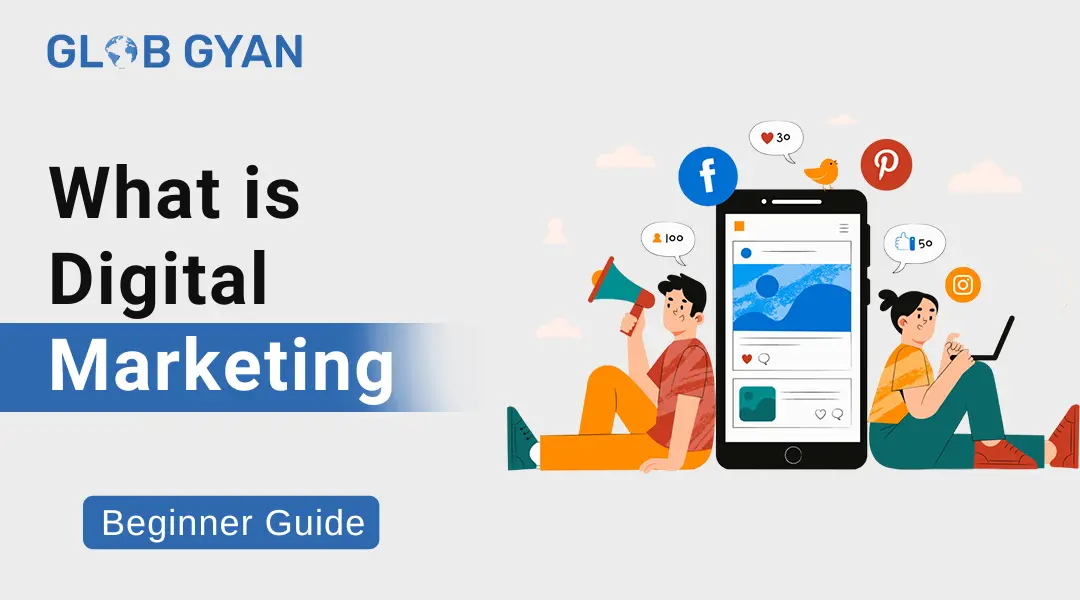
Digital marketing refers to the promotion of products or services using digital technologies and online platforms such as search engines, social media, websites, email, and mobile applications.
Unlike traditional marketing, which relies on offline channels like TV or print media, digital marketing focuses on reaching customers through the internet and digital devices.
Businesses use digital marketing to:
- Increase brand awareness
- Generate leads and sales
- Engage with potential customers
- Build long-term relationships with their audience
Common digital marketing channels include:
- Search engines (Google, Bing)
- Websites and blogs
- Social media platforms
- Email marketing
- Mobile apps
- Online advertisements
These channels allow companies to interact directly with customers and measure their marketing performance using data and analytics.
Why Digital Marketing is Important Today
Digital marketing has become essential for businesses because consumers now spend a large part of their time online.
Several factors explain why digital marketing is so important today:
Growing internet usage
More than 5.35 billion people worldwide use the internet, creating massive opportunities for businesses to reach potential customers online.
Online research before purchasing
Around 81% of shoppers research online before making a purchase, which means businesses must maintain a strong digital presence.
Search engines drive traffic
Approximately 93% of website traffic comes from search engines, making SEO and search marketing crucial strategies.
Social media influence
About 93.8% of internet users use social media platforms monthly, making social media a major marketing channel.
Because of these trends, digital marketing has become one of the most effective ways for companies to connect with modern consumers.
Digital Marketing vs Traditional Marketing
Although both approaches aim to promote products and services, digital marketing differs significantly from traditional marketing.
| Feature | Digital Marketing | Traditional Marketing |
| Channels | Internet, social media, websites | TV, radio, newspapers |
| Cost | Generally more affordable | Often expensive |
| Audience targeting | Highly specific targeting | Broad audience |
| Data tracking | Detailed analytics available | Difficult to measure |
| Engagement | Interactive communication | One-way communication |
Digital marketing allows businesses to track results in real time and optimize campaigns based on data.
Benefits of Digital Marketing
Digital marketing provides several advantages that make it more effective than traditional marketing for many businesses.
1. Global Reach
Businesses can reach customers anywhere in the world through online platforms without geographic limitations.
2. Cost-Effective Marketing
Compared to traditional advertising, digital marketing campaigns can be launched with smaller budgets while still reaching a large audience.
3. Measurable Results
Digital tools allow marketers to track performance metrics such as:
- Website visits
- Click-through rates
- Conversions
- Customer engagement
These metrics help companies understand whether their campaigns are successful.
4. Better Targeting
Businesses can target specific groups of people based on:
- Age
- Location
- Interests
- Online behavior
This increases the chances of converting potential customers.
5. Improved Customer Engagement
Digital platforms allow businesses to communicate directly with customers through comments, messages, and email.
Types of Digital Marketing
Digital marketing includes multiple strategies and channels. Below are the most important types used by businesses today.
1. Search Engine Optimization (SEO)
Search Engine Optimization (SEO) is the process of optimizing a website so that it appears higher in search engine results pages (SERPs).
SEO focuses on:
- Keyword optimization
- High-quality content creation
- Technical website improvements
- Backlink building
When done correctly, SEO can generate consistent organic traffic without paid advertising.
2. Content Marketing
Content marketing involves creating valuable content that educates or informs an audience instead of directly promoting products.
Examples include:
- Blog posts
- eBooks
- Guides
- Infographics
- Videos
- Podcasts
The goal is to build trust with potential customers and establish the brand as an industry authority.
3. Social Media Marketing
Social media marketing promotes brands through platforms such as:
- YouTube
- TikTok
- X (Twitter)
Businesses use social media to share content, interact with followers, and run advertising campaigns.
4. Pay-Per-Click Advertising (PPC)
Pay-per-click advertising is a paid marketing strategy where advertisers pay each time someone clicks on their ad.
Popular PPC platforms include:
- Google Ads
- Microsoft Ads
- Facebook Ads
- YouTube Ads
PPC campaigns can quickly generate traffic and leads.
5. Email Marketing
Email marketing allows businesses to communicate directly with customers through personalized emails.
Common types of email campaigns include:
- Newsletters
- Promotional offers
- Product updates
- Welcome emails
- Follow-up messages
Email marketing is still one of the most effective digital marketing channels for customer retention.
6. Affiliate Marketing
Affiliate marketing involves promoting products through third-party partners known as affiliates.
Affiliates earn a commission when they generate sales or leads for the business.
This strategy is widely used in e-commerce and online businesses.
7. Influencer Marketing
Influencer marketing uses popular content creators to promote products or services.
Influencers already have loyal audiences, which helps brands gain trust and visibility quickly.
8. Mobile Marketing
Mobile marketing targets users on smartphones and tablets.
Examples include:
- SMS marketing
- Mobile apps
- Push notifications
- Mobile ads
Since mobile devices dominate internet usage, mobile marketing has become increasingly important.
9. Video Marketing
Video marketing promotes brands through video content on platforms such as:
- YouTube
- Instagram Reels
- TikTok
- Facebook Video
Videos are highly engaging and can significantly improve brand awareness.
How Digital Marketing Works
Successful digital marketing campaigns follow a strategic process.
1. Define Goals
Businesses first determine their marketing goals, such as:
- Increasing website traffic
- Generating leads
- Improving sales
Clear goals help guide marketing strategies.
2. Identify the Target Audience
Understanding the target audience is essential.
Businesses analyze:
- Demographics
- Interests
- Online behavior
This helps create personalized marketing campaigns.
3. Choose the Right Marketing Channels
Companies select digital channels where their audience spends the most time.
For example:
- SEO for search traffic
- Social media for engagement
- Email for customer retention
4. Create Valuable Content
High-quality content is the foundation of digital marketing.
Content should:
- Solve customer problems
- Provide useful information
- Encourage engagement
5. Analyze Performance
Marketers use tools like Google Analytics to track campaign performance and improve results.
Challenges in Digital Marketing
Although digital marketing offers many benefits, businesses also face several challenges.
Algorithm Changes
Search engines and social media platforms frequently update their algorithms, affecting visibility.
Increasing Competition
Digital marketing has a low entry barrier, which means many businesses compete for the same audience.
Data Privacy Regulations
Businesses must follow privacy laws when collecting customer data.
Measuring ROI
While analytics tools provide data, accurately calculating return on investment can still be challenging.
Future of Digital Marketing
Digital marketing continues to evolve with new technologies and trends.
Some important future trends include:
Artificial Intelligence
AI tools are improving automation, personalization, and data analysis.
Voice Search
Smart assistants like Alexa and Siri are changing how people search online.
Personalized Marketing
Brands are increasingly delivering highly personalized content based on user behavior.
Interactive Content
Quizzes, polls, and interactive videos are becoming more popular for audience engagement.
Conclusion
Digital marketing has become a fundamental part of modern business strategies. By using digital channels such as search engines, social media, and email, companies can reach global audiences, build brand awareness, and drive sales.
As internet usage continues to grow and technology evolves, digital marketing will remain one of the most powerful tools for businesses of all sizes.
Organizations that invest in strong digital marketing strategies will be better positioned to compete, grow, and succeed in the digital economy.