



When people search for places to visit in North India, they are not usually looking for just one famous destination. They are trying to understand a region where landscapes change every few hours, cultures overlap, and travel feels layered rather than rushed.
North India is not a place you “cover” in one trip. It is a region you experience gradually. As you move from mountains to plains and from historic cities to spiritual towns, languages shift, food habits change, and even the rhythm of daily life feels different. This constant transition is what keeps drawing travelers back.
What makes North India unique is that it does not offer a single travel experience. It offers many, depending on how slowly you move and how closely you observe. From high-altitude landscapes to centuries-old cities still shaped by daily rituals, travel here is less about checking landmarks and more about understanding how geography, history, and people continue to shape everyday life.
This guide explores the most meaningful places to visit in North India, helping travelers choose destinations that match their travel style, season, and expectations rather than just popularity.
Top Places to Visit in North India (Quick Overview)
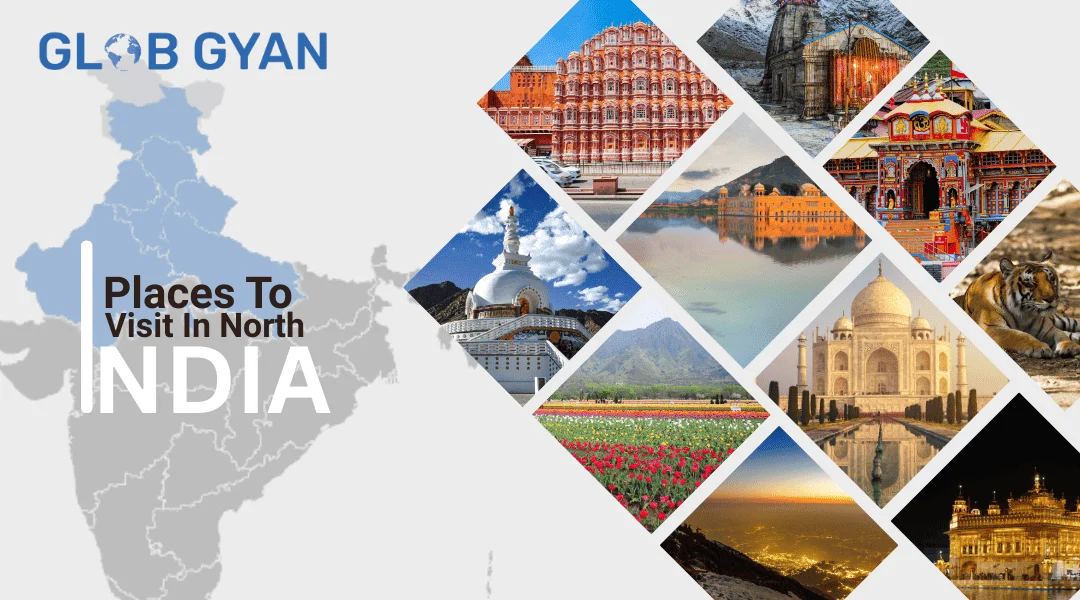
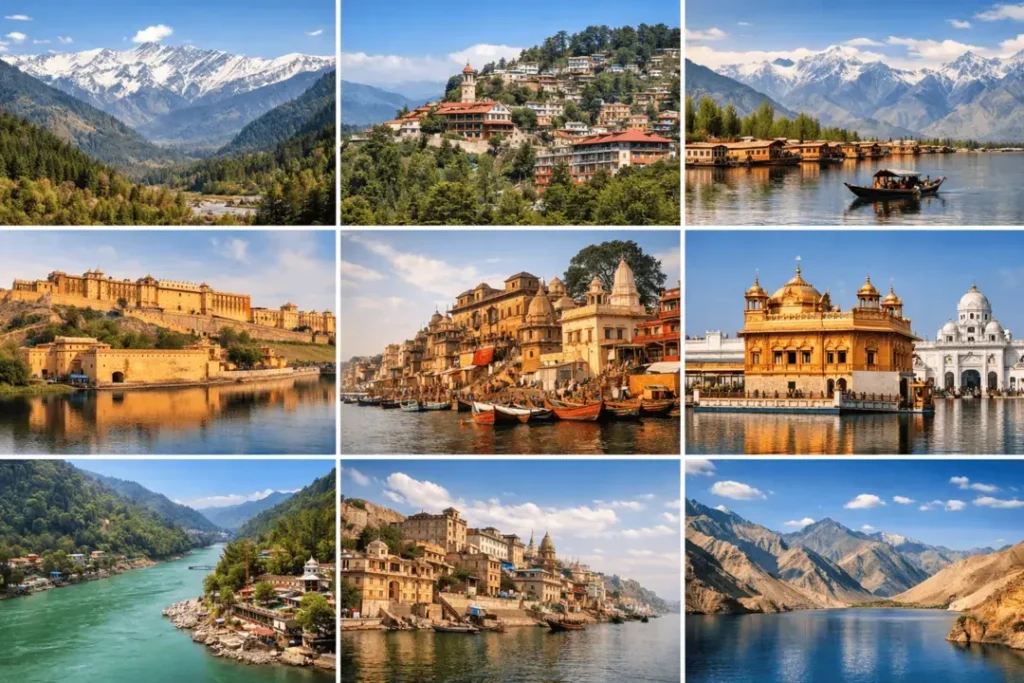
North India offers a wide range of travel experiences, from mountains and deserts to spiritual cities and historical capitals. Below is a quick overview of some of the most meaningful places to visit in North India, helping travelers choose destinations based on interest and travel style.
- Manali – Popular hill destination known for scenic landscapes, adventure activities, and nearby villages
- Shimla – Colonial-era hill station with forest walks and relaxed travel pace
- Kashmir (Srinagar, Gulmarg, Pahalgam) – Lakes, gardens, and wide valleys offering peaceful natural beauty
- Jaipur – Royal city famous for forts, palaces, and traditional markets
- Varanasi – Spiritual center known for river rituals and centuries-old traditions
- Amritsar – Cultural city centered around the Golden Temple and community life
- Rishikesh – Spiritual town combined with nature and outdoor activities
- Ladakh – High-altitude region known for open landscapes, monasteries, and slow travel
This list provides a starting point. Each destination in North India offers multiple layers of experience that unfold more clearly when travelers move at a relaxed pace.
Why North India Is One of the Most Diverse Travel Regions
What sets North India apart is not just the number of destinations, but the contrast between them. Few regions allow you to stand in a quiet Himalayan village one week and walk through centuries-old city lanes the next. This diversity is not cosmetic; it is structural.
Geography has shaped how people live here. Mountains have created isolation and reflection, plains have encouraged trade and movement, and deserts have demanded adaptation. As a result, north india places to visit feel deeply different from each other rather than variations of the same experience.
Culturally, the region carries influences from ancient civilizations, empires, religious movements, and trade routes. These layers are still visible today in architecture, rituals, and even casual conversations. Travel here feels less like sightseeing and more like witnessing how history continues to breathe.
Who Should Visit North India?
North India appeals to travelers who look for depth rather than speed. This region suits people who enjoy understanding places instead of just photographing them. Nature lovers are drawn to the mountains, valleys, and forests, while culture and history enthusiasts find meaning in cities shaped by centuries of tradition.
Spiritual travelers often feel connected here, especially in towns where daily rituals continue unchanged for generations. North India is also ideal for slow travelers who prefer staying longer in fewer places instead of rushing through multiple destinations. If travel for you is about perspective, learning, and experience, North India feels naturally aligned.
Understanding North India’s Geography Before You Travel
To truly understand travel in North India, geography matters as much as destination names.
The Himalayan belt defines the northern edge of the region. This is where hill stations, cold deserts, and high-altitude plateaus exist. Travel here is slower, weather-dependent, and often introspective.
As the land descends, fertile river plains stretch across large parts of the region. These plains have supported dense populations for centuries, leading to some of the oldest continuously inhabited cities in the world. Travel here feels busy, layered, and emotionally intense.
Further west, the landscape becomes drier. Rajasthan’s desert cities developed not in spite of the climate, but because of it. Architecture, water systems, and daily routines reflect centuries of adaptation.
Understanding these zones helps travelers choose destinations that match their expectations rather than relying on popularity alone.
Best Time to Visit North India
Timing shapes the North India experience more than most travelers expect. There is no single season that works for every destination.
Summer (April to June)
Summer pushes travelers toward higher altitudes. Hill towns and mountain regions come alive during these months as roads open and temperatures remain comfortable. This is when many of the best places to visit in North India for natural scenery feel accessible, though crowds can be significant in popular towns.
Monsoon (July to September)
Monsoon changes the mood of the region. Landscapes turn greener, rivers swell, and rural areas feel refreshed. At the same time, travel becomes unpredictable. Landslides and delays are common in mountain regions, making flexibility essential.
Winter (October to February)
Winter is ideal for plains, desert cities, and cultural travel. Rajasthan, Punjab, and Uttar Pradesh are at their most comfortable. Higher regions experience snowfall, attracting travelers interested in winter landscapes rather than movement-heavy itineraries.
Travel Pace and Itinerary Style in North India
North India is not designed for rushed itineraries. Long distances, varied terrain, and layered cultures mean that short trips often feel incomplete. Travelers who plan fewer destinations and allow more time in each place usually have a richer experience.
Slow travel works especially well here. Staying longer allows travelers to notice daily routines, local interactions, and subtle changes in landscape. Many of the best places to visit in North India reveal their character gradually, rewarding those who move at a relaxed pace rather than following tight schedules.
Best Hill Stations in North India
Mountain destinations in North India are often treated as escapes, but each one carries a distinct personality.
Manali has grown beyond its original image. While it remains popular, its appeal now lies in balance cafés, nearby villages, adventure activities, and comfortable stays all coexist. It suits travelers who want mountains without isolation.
Shimla moves at a gentler pace once you step away from crowded areas. Forest walks, quiet neighborhoods, and lingering colonial influences give it a reflective quality. It works best for travelers who enjoy observation rather than constant activity.
Dharamshala and McLeod Ganj feel different from typical hill towns. Tibetan culture, spiritual routines, and long-term visitors shape daily life. Many travelers arrive for a short stay and end up staying longer than planned.
Kashmir’s towns Srinagar, Gulmarg, and Pahalgam offer visual calm. Lakes, gardens, and wide valleys dominate the experience, while daily routines continue quietly around them. These places leave an impression that feels emotional rather than dramatic.
Uttarakhand’s hill destinations show yet another side. Rishikesh blends spiritual life with outdoor activity, while Auli’s slopes appeal to winter travelers. Nainital remains approachable and familiar, making it one of the most comfortable places to visit in North India for relaxed travel.
First-Time and Repeat Travel Experiences in North India
North India offers different experiences depending on whether you are visiting for the first time or returning again. First-time travelers often find comfort in well-connected destinations like Manali, Jaipur, Agra, Nainital, and Amritsar. These places offer a balance of accessibility, facilities, and cultural exposure without feeling overwhelming.
Repeat travelers usually move toward regions that demand more time and patience. Ladakh, Spiti Valley, interior Kashmir, and cities like Varanasi reveal deeper layers with each visit. These destinations are less about highlights and more about immersion, making them some of the best places to visit in North India for experienced travelers.
Remote & High-Altitude Places to Visit in North India
Some parts of North India are not designed for casual tourism, and that is precisely what makes them meaningful.
Ladakh is defined by space. Long roads, sparse settlements, and open skies change how people travel and think. The focus shifts from checking attractions to absorbing silence. Travelers often leave Ladakh with fewer photos than expected but stronger memories.
Spiti Valley is more demanding. Infrastructure is limited, weather is unpredictable, and distances feel longer than maps suggest. Comfort takes a back seat to experience. Those who reach Spiti usually understand why it is often described as transformative rather than enjoyable.
These regions represent a different category of north india places to visit ones that reward patience, preparation, and humility.
Best Cultural & Historical Places to Visit in North India
North India’s cities are not museums. They are living spaces shaped by centuries of continuity.
Jaipur carries history openly. Forts and palaces are part of the city’s rhythm, not separate attractions. Markets remain noisy, streets crowded, and daily life moves around heritage rather than away from it.
Jodhpur’s blue houses and elevated fort dominate the skyline, while Jaisalmer feels inseparable from the desert around it. Life here adapts to climate and space rather than resisting it.
Agra stands as a reminder of Mughal influence, but its story extends beyond monuments. Daily life flows alongside history, often unnoticed by travelers focused on single landmarks.
Delhi is layered and complex. Ancient structures, colonial planning, and modern expansion exist simultaneously. It can feel overwhelming, but that complexity is what makes the city revealing.
Amritsar connects emotionally. The Golden Temple, shared meals, and tightly packed old streets create an experience rooted in community. Many travelers remember how they felt here more than what they saw.
Varanasi operates on continuity. Rituals at the river are not performances for visitors; they are daily life. For many, it becomes one of the best places to visit in North India to understand how tradition survives in the present.
Food and Regional Identity in North India
Food in North India is closely tied to geography, climate, and local traditions. Mountain regions favor warm, simple meals suited to colder weather, while the plains are known for rich flavors shaped by agriculture and trade. Desert regions reflect careful use of ingredients developed through centuries of adaptation.
For travelers, food becomes more than nourishment. It is a way to understand local life, hospitality, and routine. Exploring regional cuisine slowly helps travelers connect more deeply with the places they visit, adding another meaningful layer to the North India travel experience.
Wildlife and Nature Experiences in North India
Beyond cities and mountains, forests and protected landscapes play an important role in North India travel.
Jim Corbett National Park offers an introduction to wildlife travel, combining accessibility with natural beauty. Ranthambore, set against a dramatic historical backdrop, attracts travelers interested in observing nature rather than chasing sightings.
These destinations encourage slower movement and patience, reminding travelers that not every experience needs constant stimulation.
Practical Travel Advice for North India
Travel in North India requires realistic expectations. Distances often take longer than expected due to terrain, traffic, or weather. Mountain conditions can change suddenly, and flexibility becomes essential.
Food is an important part of the experience, but gradual exploration helps avoid discomfort. Early mornings work best for travel and sightseeing, and cultural sensitivity especially in religious spaces goes a long way.
The region rewards travelers who plan thoughtfully but remain open to change.
Safety, Comfort, and Travel Awareness
North India is generally welcoming to travelers, but realistic expectations improve comfort and safety. Crowds are common in cities and popular destinations, especially during peak seasons. Planning accommodation and transport in advance helps reduce stress.
Weather conditions, particularly in mountain regions, can change quickly, so flexibility is important. Solo travelers, families, and long-term visitors all travel successfully across North India by staying aware of local customs, respecting religious spaces, and adjusting plans when needed.
Exploring Beyond North India
If your interest extends beyond this region, exploring other parts of the country adds valuable contrast. You can refer to our broader guide on places to visit in india to understand how North India fits into the larger travel landscape of the country.
Final Thoughts
North India does not try to impress quickly. Some destinations reveal themselves instantly, while others take time to understand. The region offers moments rather than highlights conversations, landscapes, routines, and quiet realizations.
This is why interest in places to visit in North India never fades. It is not about completing a checklist. It is about returning with a deeper sense of how geography, history, and people continue to shape everyday life.
North India is not meant to be rushed. It is meant to be experienced slowly, on its own terms.