




Cyberattacks are becoming faster, smarter, and more difficult to stop. Businesses today face ransomware attacks, AI-generated phishing emails, deepfake scams and automated hacking tools that can target thousands of systems within minutes. Traditional security systems still play an important role, but they often struggle to keep up with the speed and complexity of modern cyber threats.
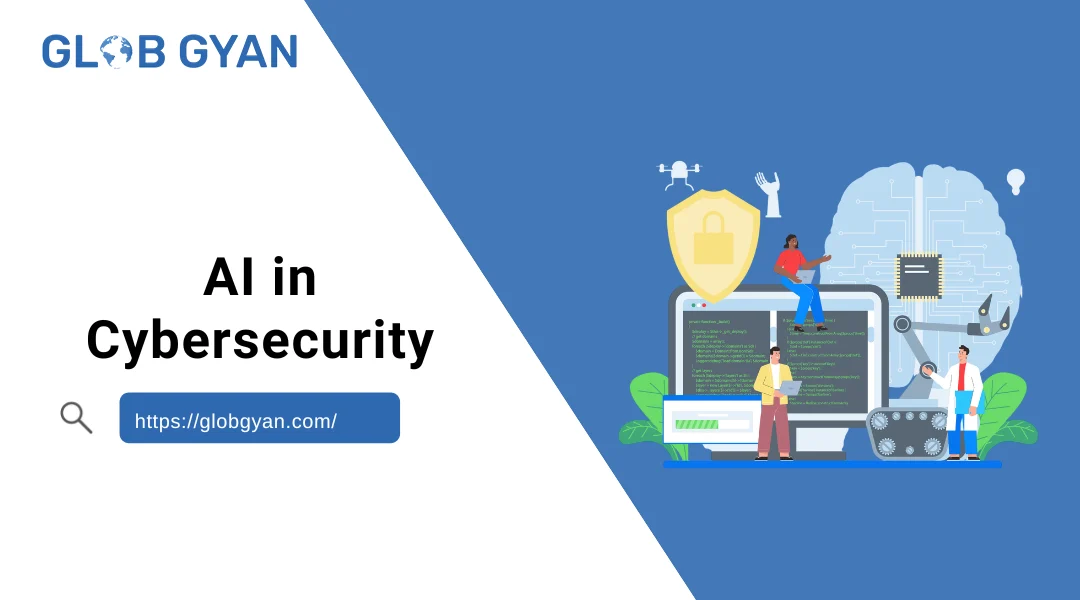
That is why AI in cybersecurity is becoming essential for modern businesses. By combining artificial intelligence, machine learning, and automation, organizations can detect threats faster, improve response times and strengthen digital protection against evolving attacks.
Unlike traditional tools that depend mostly on fixed rules, AI-based systems can learn from patterns, identify suspicious behavior, and improve continuously. This helps companies respond to attacks before serious damage happens.
At the same time, cybercriminals are also using AI to create more advanced scams and malware. That means businesses are entering a new era of “AI vs AI” security, where both defenders and attackers rely on intelligent technologies.
What Is AI in Cybersecurity?
AI in cybersecurity refers to the use of artificial intelligence technologies such as machine learning, behavioral analytics, and automation to detect, prevent, and respond to cyber threats.
Traditional cybersecurity systems mostly depend on predefined rules and known attack signatures. For example, a firewall may block traffic from a suspicious IP address because it matches a known threat database. While this method still works for some threats, it struggles against newer and constantly evolving attacks.
Artificial intelligence in cybersecurity allows systems to identify threats, learn from attack patterns, and automate defensive actions without relying entirely on manual input. Instead of simply looking for known malware signatures, AI systems analyze user behavior, network activity, and system patterns to identify unusual behavior.
The growing adoption of AI in cybersecurity is helping organizations improve threat visibility and reduce response times across cloud environments, enterprise networks, and remote work systems.
For example, if an employee normally logs in from Delhi during office hours but suddenly accesses company data from another country late at night, an AI system may flag the activity immediately.
Modern AI security systems often include:
- Machine learning algorithms
- Behavioral analytics
- AI threat detection
- Automated monitoring
- Threat intelligence systems
- Cybersecurity automation tools
Many organizations now use AI-driven security for endpoint protection, phishing attack prevention, cloud security, and fraud detection.
Why Traditional Cybersecurity Is No Longer Enough
Cyber threats have evolved dramatically over the last few years. Attackers now use automation, AI-generated phishing emails, and advanced malware that can bypass traditional defenses.
A modern security operations center (SOC) may receive thousands of alerts every day. Human analysts cannot manually review every warning fast enough, which increases the risk of missing serious threats.
Many organizations now rely on AI for cybersecurity because manual monitoring alone cannot keep up with modern attack volumes.
Traditional cybersecurity systems face several major challenges:
- Too many security alerts
- Slow threat response
- Increasing ransomware attacks
- Human error
- Sophisticated phishing campaigns
- Shortage of cybersecurity professionals
One of the biggest issues is alert fatigue. Security teams often spend hours reviewing false positives instead of focusing on actual threats.
Attackers are also becoming more efficient. AI-powered phishing scams can now imitate writing styles, company branding, and communication patterns with surprising accuracy. Some ransomware groups even automate network scanning to find vulnerable systems faster.
Traditional defenses often react after damage has started. AI systems aim to identify suspicious behavior before attackers gain deeper access.
How AI in Cybersecurity Works
One of the biggest reasons AI in cybersecurity has become so important is its ability to process huge amounts of security data in real time. Modern businesses generate enormous volumes of digital activity every second through emails, applications, cloud platforms, user logins, devices, and network traffic. Monitoring all this information manually is almost impossible for human security teams. Cyberattacks can spread within minutes, and traditional security systems often struggle to detect threats quickly enough. This is where AI-powered cybersecurity systems make a major difference. They continuously analyze digital activity, identify unusual behavior, and help organizations respond to threats faster before serious damage happens.
AI systems work by constantly monitoring networks, devices, users, applications, cloud environments, and security logs to understand how an organization normally operates. The main goal is to improve cyber threat detection by identifying suspicious activity in real time. Unlike traditional cybersecurity tools that rely mostly on predefined rules and known attack signatures, AI systems learn patterns over time. This allows them to detect not only known threats but also new and evolving cyberattacks that traditional systems may miss.
1. Data Collection
The first stage of AI in cybersecurity is data collection. AI systems gather information from multiple sources across the organization, including login records, email activity, network traffic, endpoint devices, cloud applications, file transfers, and firewall logs. Every action inside a digital environment creates data, and AI systems use this information to understand normal behavior patterns.
For example, the system may learn when employees usually log in, which files they access regularly, how much data they normally transfer, and which devices they commonly use. The more high-quality data the AI analyzes, the more accurate and intelligent the system becomes. This is especially important in cloud security environments where organizations handle large amounts of remote access and distributed systems.
2. Pattern Recognition
Once the data is collected, the next step is pattern recognition. This is where machine learning in cybersecurity becomes extremely valuable. Machine learning algorithms study the collected information to identify normal user and system behavior over time. The AI creates what is known as a behavioral baseline, which acts as a reference point for normal activity within the organization.
For example, if an employee usually works during office hours from Delhi using the same company laptop, the system recognizes this behavior as normal. However, if the same account suddenly attempts to access sensitive company files from another country late at night, the AI may immediately recognize the activity as suspicious. This ability to identify unusual patterns helps organizations detect threats much earlier than traditional security systems.
3. Threat Detection
After understanding normal behavior, the AI system moves into threat detection. AI threat detection focuses on identifying suspicious activities in real time instead of relying only on known malware databases. Traditional cybersecurity systems often fail to stop new attacks because they depend heavily on predefined signatures. AI systems work differently by analyzing behavior patterns and identifying anomalies.
For example, if a program suddenly starts encrypting large amounts of data, attempting unauthorized access, or spreading rapidly across devices, the AI may identify this behavior as ransomware activity even if the malware has never been seen before. This significantly improves cyber threat detection because organizations can identify and stop attacks before they spread further.
4. Threat Prioritization
Another important function of AI in cybersecurity is threat prioritization. Modern security operations centers receive thousands of security alerts every day, and many of them are low-risk warnings or false positives. Human analysts can easily become overwhelmed by this volume of alerts, which increases the risk of missing serious threats.
AI helps solve this problem by analyzing alerts and ranking them based on severity, risk level, and potential business impact. Instead of treating every warning equally, the AI identifies which incidents require immediate attention. For example, a suspicious login attempt may be marked as medium risk, while an administrator account accessing sensitive company databases unexpectedly may trigger a critical alert. This allows security teams to focus on the most dangerous threats first and improves overall incident response efficiency.
5. Automated Response
One of the most powerful advantages of AI-powered cybersecurity is automated response. Modern cyberattacks move very quickly, especially ransomware attacks that can spread across entire networks within minutes. Waiting for manual action may allow attackers to cause serious operational and financial damage.
To reduce this risk, many organizations now use automated incident response systems powered by AI. When suspicious activity is detected, the AI system can instantly block malicious users, isolate infected devices, disable compromised accounts, stop harmful processes, and prevent unauthorized access. For example, if ransomware begins encrypting files inside a corporate network, the AI system may immediately isolate the infected device and stop the malware from spreading further. This rapid response capability dramatically improves data breach prevention and reduces the overall impact of cyber incidents.
AI in cybersecurity is becoming increasingly important because cybercriminals are also using advanced technologies to improve their attacks. Businesses now face AI-generated phishing emails, deepfake scams, automated malware, and sophisticated social engineering attacks that traditional security tools may struggle to detect. AI-powered cybersecurity helps organizations strengthen phishing attack prevention, improve cloud security, automate security operations, and reduce manual workload for security teams.
Although AI cannot completely replace cybersecurity professionals, it gives businesses faster threat detection, smarter analysis, and stronger protection against modern cyber threats. As cyberattacks continue evolving, the combination of artificial intelligence and human expertise will play a critical role in building stronger, faster, and more adaptive cybersecurity systems for the future.
Key Applications of AI in Cybersecurity
AI is now used across almost every area of modern cybersecurity. As cyber threats become more advanced, businesses need faster and smarter ways to protect their systems, networks, and sensitive data. Traditional cybersecurity tools often struggle to handle modern attacks because cybercriminals constantly change their tactics. AI-powered cybersecurity helps organizations improve threat detection, automate security operations, and respond to attacks in real time.
One of the biggest advantages of AI in cybersecurity is its ability to analyze massive amounts of security data quickly. AI systems can continuously monitor network activity, user behavior, cloud environments, and devices without human fatigue. This allows organizations to identify suspicious behavior earlier and reduce the chances of serious cyberattacks.
Today, artificial intelligence is being used for threat detection, malware analysis, phishing prevention, fraud monitoring, and cybersecurity automation. These applications are helping businesses strengthen their overall security posture and improve data breach prevention efforts.
AI-Powered Threat Detection
Threat detection is one of the most important applications of AI-powered cybersecurity. Modern organizations generate huge volumes of digital activity every second, including emails, login attempts, file transfers, and cloud access requests. Monitoring all this activity manually is extremely difficult for security teams.
Traditional security systems mainly rely on predefined rules and known malware signatures. The problem is that many modern attacks are designed specifically to bypass these traditional defenses. AI systems work differently because they focus on behavior analysis instead of only looking for known attack patterns.
AI threat detection systems continuously monitor network activity and learn what normal behavior looks like within an organization. Once the system understands regular activity patterns, it can quickly identify suspicious behavior. For example, if an employee account suddenly starts downloading large amounts of sensitive data at unusual hours or attempts to access restricted systems from another country, the AI may immediately flag the activity as suspicious.
This approach helps organizations prevent:
- Zero-day attacks
- Insider threats
- Credential theft
- Advanced persistent threats
- Unauthorized access attempts
Real-time cyber threat detection is especially important for large enterprises managing complex networks and cloud environments. AI-powered monitoring allows businesses to identify potential threats faster before attackers can cause major operational or financial damage.
Malware Detection
Malware detection is another major application of AI in cybersecurity. Modern malware evolves constantly to avoid traditional antivirus systems. Cybercriminals often modify malicious code slightly to bypass signature-based detection tools, making many traditional security systems less effective against new threats.
Instead of relying only on known malware signatures, AI-powered malware detection focuses on behavioral analysis. AI systems analyze how files and programs behave inside a system rather than simply checking whether they match an existing malware database.
For example, AI systems may monitor:
- File activity
- System changes
- Memory usage
- Application behavior
- Network communication patterns
If a program suddenly begins encrypting files rapidly, attempting unauthorized access, or spreading suspicious activity across a network, the AI may recognize the behavior as malicious even if the malware has never been seen before.
This is especially useful against ransomware attacks, which often spread quickly across corporate networks. AI systems can identify suspicious behavior early and automatically isolate infected devices before the malware spreads further. This rapid detection significantly improves data breach prevention and reduces operational downtime for businesses.
Machine learning in cybersecurity also allows malware detection systems to improve continuously. As the AI analyzes more attack patterns and security data, it becomes more accurate at identifying new and evolving threats.
Phishing Detection
Phishing attacks remain one of the most common cybersecurity threats worldwide. Attackers use fake emails, malicious links, and fraudulent websites to steal sensitive information such as passwords, banking details, and company credentials.
Modern phishing scams have become far more sophisticated because cybercriminals now use generative AI to create realistic emails with professional language, personalized messaging, and fewer grammar mistakes. Many phishing emails now closely resemble legitimate business communication, making them harder for users to identify.
AI plays a major role in phishing attack prevention by analyzing suspicious emails and identifying malicious behavior patterns. AI-powered email security systems can evaluate:
- Sender reputation
- Writing style
- Email context
- Attachment behavior
- Suspicious links
- URL patterns
For example, if an email claims to come from a trusted company but contains unusual language, suspicious links, or abnormal sending behavior, the AI system may automatically block or quarantine the message before it reaches the user’s inbox.
Google uses machine learning in Gmail to filter billions of phishing and spam emails every day. Without AI filtering systems, many dangerous emails would still reach users and increase the risk of data theft or ransomware infections.
AI-powered phishing detection is becoming increasingly important as attackers continue using automation and artificial intelligence to improve scam quality.
Fraud Detection
Fraud detection is another important area where AI-powered cybersecurity is widely used. Banks, financial institutions, e-commerce platforms, and payment companies process millions of transactions daily, making manual fraud monitoring extremely difficult.
AI systems can analyze transaction patterns, customer behavior, login activity, device usage, and geographic locations in real time. By learning what normal customer behavior looks like, AI can quickly identify suspicious financial activity.
For example, if a customer normally makes purchases within India but suddenly attempts large transactions from another country using a new device, the AI system may recognize the behavior as potentially fraudulent. In many cases, the transaction can be blocked automatically until verification is completed.
AI fraud detection systems help organizations:
- Prevent financial fraud
- Detect stolen accounts
- Identify suspicious transactions
- Reduce payment fraud risks
- Improve customer account security
This real-time monitoring improves overall data breach prevention and reduces financial losses for businesses and customers.
As digital banking and online transactions continue growing, AI-driven fraud detection systems are becoming essential for modern financial security.
Security Automation
Cybersecurity automation is one of the fastest-growing applications of AI in cybersecurity. Modern security teams often deal with repetitive tasks such as reviewing alerts, analyzing logs, monitoring vulnerabilities, and responding to incidents. Performing all these tasks manually consumes time and increases the risk of human error.
AI-powered cybersecurity automation helps organizations improve efficiency by handling routine security operations automatically. This allows cybersecurity professionals to focus on more complex investigations and strategic security decisions.
AI systems can automate:
- Threat analysis
- Alert prioritization
- Vulnerability scanning
- Log analysis
- Incident response workflows
- Malware containment
- Access control monitoring
For example, if suspicious behavior is detected inside a corporate network, the AI system may automatically isolate infected devices, block malicious users, and alert security teams immediately. This automated incident response helps reduce attack damage and speeds up recovery times.
Security automation is especially valuable for organizations managing large cloud environments, remote work systems, and distributed networks. AI-powered automation improves response speed, reduces manual workload, and strengthens overall cybersecurity operations.
As cyber threats continue evolving, businesses increasingly rely on AI-powered cybersecurity systems to improve protection, strengthen cloud security, and automate threat management across their digital environments.
Real-World Examples of AI in Cybersecurity
AI in cybersecurity is no longer just a future concept or experimental technology. Many of the world’s largest technology companies already use AI-powered cybersecurity systems every day to detect threats, automate security operations, and protect massive amounts of sensitive data. As cyberattacks become more advanced, organizations are increasingly relying on artificial intelligence to improve threat detection, reduce response times, and strengthen cloud security across complex digital environments.
One of the biggest reasons businesses are adopting AI-powered cybersecurity is because modern cyber threats move too quickly for manual security operations alone. AI systems can analyze billions of security events in real time, identify suspicious behavior patterns, and respond to attacks much faster than traditional security tools. From threat intelligence and endpoint protection to phishing attack prevention and cloud monitoring, AI is now deeply integrated into modern cybersecurity infrastructure.
Several leading cybersecurity and technology companies have already developed advanced AI security solutions that help organizations defend against ransomware, malware, insider threats, and sophisticated cyberattacks.
Microsoft Security Copilot
Microsoft developed Security Copilot to help cybersecurity teams investigate threats faster using generative AI. Modern security analysts often deal with huge amounts of alerts, security logs, and threat intelligence data every day. Reviewing all this information manually can take hours and slow down incident response.
Microsoft Security Copilot uses artificial intelligence to simplify and speed up security investigations. Instead of manually searching through complex logs, analysts can ask questions in natural language and receive instant security insights. The system can provide:
- Threat summaries
- Investigation recommendations
- Attack analysis
- Security insights
- Automated reporting
For example, if a suspicious login attempt occurs inside a company network, the AI system can quickly analyze related activity, identify possible risks, and suggest appropriate security actions. This helps organizations improve cyber threat detection and respond to incidents faster.
One major advantage of Security Copilot is that it supports smaller security teams that may not have large cybersecurity departments. AI-powered automation reduces manual workload and helps analysts focus on higher-priority threats instead of repetitive tasks.
As cybersecurity threats continue increasing, generative AI tools like Microsoft Security Copilot are becoming an important part of modern security operations centers.
Darktrace
Darktrace is another well-known example of AI-powered cybersecurity in real-world use. The company uses AI-driven behavioral analysis to monitor network activity continuously and identify suspicious behavior automatically.
Unlike traditional security systems that rely heavily on known attack signatures, Darktrace focuses on understanding how an organization normally operates. Its AI system studies network behavior, employee activity, cloud access, device usage, and communication patterns to create a behavioral baseline for the organization.
Once the AI understands normal behavior, it can quickly identify unusual activities that may indicate cyber threats. For example, if an employee account suddenly starts transferring large amounts of sensitive data or attempts to access restricted systems unexpectedly, the AI may immediately flag the activity as suspicious.
This approach is highly effective against:
- Insider threats
- Unknown malware
- Credential theft
- Advanced persistent threats
- Unusual network activity
Darktrace’s AI-powered cybersecurity platform is especially valuable because it can identify threats that traditional rule-based systems may miss. Since attackers constantly change their tactics, behavioral AI systems provide a more adaptive approach to cyber threat detection.
The company’s AI technology is widely used across industries including finance, healthcare, manufacturing, and enterprise cloud environments.
CrowdStrike
CrowdStrike is one of the leading companies using AI cybersecurity tools for endpoint protection and threat intelligence. Modern organizations manage thousands of laptops, servers, mobile devices, and cloud-connected systems, making endpoint security increasingly important.
CrowdStrike’s Falcon platform uses artificial intelligence and machine learning in cybersecurity to monitor billions of security events every day. The system continuously analyzes endpoint activity to detect suspicious behavior in real time.
For example, if malware attempts to spread across devices, access sensitive files, or modify system processes unexpectedly, the AI system can identify the suspicious behavior immediately. This allows organizations to stop attacks before they spread further across corporate networks.
CrowdStrike’s AI-powered cybersecurity platform helps organizations improve:
- Endpoint protection
- Malware detection
- Threat intelligence
- Ransomware prevention
- Automated incident response
The company’s AI systems also help reduce alert fatigue for security analysts by prioritizing high-risk threats and automating parts of the investigation process.
As remote work and cloud-connected devices continue growing, endpoint protection platforms powered by AI are becoming essential for modern cybersecurity strategies.
AI in Cloud Security
AI is also playing a major role in cloud security. As businesses move more applications, data, and operations to cloud environments, protecting cloud infrastructure has become one of the biggest cybersecurity priorities.
Cloud environments generate massive amounts of activity every second, including user logins, API requests, file access, remote connections, and application traffic. Monitoring all this activity manually is extremely difficult for security teams.
AI-powered cybersecurity tools help organizations monitor distributed cloud environments continuously and identify suspicious behavior faster. Cloud providers and enterprise platforms use artificial intelligence to:
- Detect unauthorized access
- Monitor user behavior
- Identify unusual traffic patterns
- Prevent data leaks
- Improve phishing attack prevention
- Strengthen data breach prevention
For example, if an employee suddenly attempts to access sensitive cloud data from an unfamiliar location or device, the AI system may automatically flag the behavior as suspicious or block access temporarily.
AI systems also help organizations improve cybersecurity automation inside cloud environments. Automated threat detection and incident response reduce manual workload for security teams and improve response speed during cyber incidents.
As businesses increasingly rely on cloud computing, AI-powered cloud security solutions are becoming more important for protecting sensitive information, managing remote access, and preventing modern cyber threats.
Benefits of AI in Cybersecurity
The biggest advantage of AI in cybersecurity is its ability to improve both speed and scalability. Modern businesses generate massive amounts of security data every day through emails, cloud platforms, applications, user activity, devices, and network traffic. Monitoring all this information manually is extremely difficult for cybersecurity teams, especially as cyberattacks become faster and more advanced.
AI-powered cybersecurity systems help organizations process huge amounts of data in real time, identify suspicious behavior quickly, and automate security operations. Instead of relying only on manual analysis or traditional rule-based systems, artificial intelligence continuously learns from patterns and improves over time. This allows businesses to strengthen cyber threat detection, reduce response times, and improve overall security efficiency.
As ransomware attacks, phishing scams, insider threats, and data breaches continue increasing, AI is becoming an essential part of modern cybersecurity strategies.
Faster Threat Detection
One of the most important benefits of AI in cybersecurity is faster threat detection. Traditional cybersecurity systems often take longer to identify attacks because they rely heavily on predefined rules and known malware signatures. Modern cyber threats evolve constantly, and attackers frequently change their techniques to bypass traditional defenses.
AI systems improve cyber threat detection by analyzing network activity, user behavior, cloud access, and device interactions in real time. Instead of only looking for known attack patterns, AI focuses on identifying unusual behavior that may indicate suspicious activity.
For example, if an employee account suddenly begins downloading sensitive company data at unusual hours or attempts multiple failed logins from different locations, the AI system may immediately recognize the behavior as suspicious. This allows organizations to detect threats much earlier before attackers can cause serious damage.
Faster detection is especially important for preventing ransomware attacks and credential theft, where every minute matters. Early threat identification helps businesses reduce financial losses, operational disruption, and data exposure risks.
Reduced Response Time
Another major benefit of AI-powered cybersecurity is reduced response time. In many cyberattacks, delays in response can allow malware or ransomware to spread rapidly across networks and systems.
AI-powered systems can automate responses during active attacks without waiting for manual intervention from security teams. This is known as automated incident response.
For example, if ransomware activity is detected inside a corporate network, the AI system may instantly isolate infected devices, block suspicious users, disable compromised accounts, or stop malicious processes automatically. This immediate response helps contain threats before they spread further.
Cybersecurity automation significantly improves security operations because human analysts often need time to investigate incidents manually. AI systems can react within seconds, reducing the overall impact of cyberattacks and improving data breach prevention efforts.
Organizations using automated AI security solutions are often able to minimize downtime and recover from attacks faster compared to businesses relying only on traditional manual responses.
24/7 Monitoring
Cyber threats do not stop after office hours. Attackers can launch phishing attacks, malware infections, and unauthorized access attempts at any time of the day.
Unlike human analysts, AI systems can monitor networks continuously without fatigue. This 24/7 monitoring capability is one of the biggest strengths of AI-powered cybersecurity.
AI systems continuously analyze:
- Network traffic
- Cloud environments
- User behavior
- Device activity
- Security logs
- Email traffic
This constant monitoring helps organizations identify suspicious behavior immediately, even during nights, weekends, or holidays.
For businesses operating globally or managing remote work environments, continuous monitoring is especially important because users and systems remain active across multiple time zones. AI-powered security systems help ensure protection around the clock without requiring large teams to manually monitor systems constantly.
Better Accuracy
Machine learning in cybersecurity allows AI systems to improve accuracy over time. Traditional security tools sometimes generate large numbers of false positives, which can overwhelm security teams and slow down investigations.
AI systems continuously learn from new data, attack patterns, and user behavior. As the system analyzes more information, it becomes better at distinguishing between normal activity and genuine threats.
For example, an AI-powered cybersecurity platform may initially flag unusual user behavior for investigation. Over time, as it learns employee work patterns and organizational behavior, the system becomes more accurate and reduces unnecessary alerts.
Better accuracy helps organizations:
- Reduce false positives
- Improve threat prioritization
- Increase investigation efficiency
- Strengthen cyber threat detection
- Improve security operations center performance
This allows cybersecurity professionals to focus more on real threats instead of wasting time reviewing harmless alerts.
Scalability
Modern enterprises generate enormous amounts of security data every day. Large organizations may process millions of login attempts, cloud requests, emails, and network events daily. Managing this scale manually is almost impossible for human security teams alone.
AI-powered cybersecurity systems are highly scalable because they can process and analyze massive amounts of information much faster than humans.
As businesses expand their digital infrastructure, cloud platforms, and remote work environments, cybersecurity complexity also increases. AI systems help organizations manage this growing complexity efficiently without requiring huge increases in manual staffing.
Scalable AI security solutions are especially important for:
- Large enterprises
- Cloud security environments
- Remote workforce management
- Financial institutions
- Healthcare systems
- E-commerce platforms
The ability to analyze massive volumes of security data in real time makes AI a critical technology for modern cybersecurity operations.
Improved Data Breach Prevention
Data breaches can cause serious financial losses, legal problems, operational disruption, and reputational damage for businesses. One of the biggest advantages of AI in cybersecurity is its ability to improve data breach prevention efforts.
AI systems help organizations identify suspicious behavior earlier and respond to threats faster before attackers gain deeper access to sensitive systems or customer information.
For example, if an attacker attempts to access confidential company files, move large amounts of data outside the network, or exploit unusual cloud access behavior, the AI system may immediately trigger alerts or block the activity automatically.
AI-powered cybersecurity tools also improve phishing attack prevention, insider threat detection, and unauthorized access monitoring, all of which reduce the likelihood of successful data breaches.
Faster detection combined with automated incident response allows organizations to contain threats quickly and minimize damage during cyber incidents.
As cyber threats continue evolving, businesses increasingly rely on AI security solutions to strengthen protection, improve cybersecurity automation, and reduce the growing risks associated with modern digital attacks.
Risks and Challenges of AI in Cybersecurity
Although AI in cybersecurity offers major advantages, organizations must also understand its risks and limitations. AI-powered cybersecurity systems can improve cyber threat detection, automate security operations, and reduce response times, but they are not perfect. Like any technology, artificial intelligence also comes with challenges that businesses need to manage carefully.
Many companies are rapidly adopting AI security solutions because cyber threats are becoming more advanced. However, relying entirely on automation without understanding its weaknesses can create new security risks. AI systems depend heavily on data, algorithms, and proper human oversight. If these areas are not managed correctly, organizations may face problems such as false alerts, privacy concerns, inaccurate threat detection, and even AI manipulation by attackers.
Understanding these challenges is important because the future of cybersecurity will likely depend on balancing AI automation with human expertise.
False Positives
One of the most common challenges in AI-powered cybersecurity is false positives. A false positive happens when the AI system incorrectly identifies legitimate activity as suspicious or dangerous.
For example, an employee logging in from a new location while traveling may trigger a security alert even though the activity is harmless. Similarly, normal software behavior may sometimes appear suspicious to AI systems if the algorithms misinterpret the activity.
False positives can become a serious problem for security teams. Modern security operations centers already deal with thousands of alerts every day, and too many inaccurate warnings can overwhelm analysts. This issue is often called alert fatigue.
When security teams constantly receive unnecessary alerts, two major problems can happen:
- Analysts may waste valuable time investigating harmless activity
- Important threats may eventually be ignored or missed completely
Although machine learning in cybersecurity improves over time, no AI system can guarantee perfect accuracy. Organizations must continuously train, monitor, and optimize AI systems to reduce false positives and improve detection quality.
AI Model Poisoning
Another major risk of AI in cybersecurity is AI model poisoning. AI systems learn from training data, and attackers may attempt to manipulate this data to reduce the system’s effectiveness.
In a model poisoning attack, cybercriminals intentionally feed misleading or malicious data into an AI system. The goal is to confuse the AI so it fails to recognize real cyber threats correctly.
For example, attackers may try to:
- Make malicious behavior appear normal
- Reduce malware detection accuracy
- Hide suspicious network activity
- Bypass AI threat detection systems
If successful, model poisoning can weaken cybersecurity defenses and make organizations more vulnerable to attacks.
This challenge highlights an important reality about AI-powered cybersecurity: AI systems are only as reliable as the data they learn from. Protecting training data and continuously validating AI models are essential for maintaining strong cybersecurity performance.
Privacy Concerns
Privacy is another important challenge associated with AI in cybersecurity. AI systems often require large amounts of behavioral and user data to improve threat detection and monitor suspicious activity.
For example, AI security systems may analyze:
- Login behavior
- Email activity
- Device usage
- Network traffic
- Employee access patterns
- Cloud activity
While this data helps improve cyber threat detection, it can also raise serious privacy concerns if organizations collect or store sensitive information improperly.
Businesses must ensure that AI-powered cybersecurity systems follow:
- Data protection laws
- Privacy regulations
- Ethical AI guidelines
- Security compliance standards
Regulations such as GDPR and other data privacy frameworks require organizations to handle user information responsibly. Failure to manage cybersecurity data properly can create legal, financial, and reputational risks.
Organizations must also maintain transparency about how AI systems collect, process, and use behavioral data.
High Implementation Costs
Although AI security solutions provide powerful protection capabilities, implementation costs can be a challenge for many businesses, especially smaller organizations.
Advanced AI-powered cybersecurity platforms often require:
- Specialized software
- Cloud infrastructure
- Security integrations
- Continuous monitoring
- Skilled cybersecurity professionals
- Ongoing maintenance
Large enterprises may have the resources to invest in sophisticated AI cybersecurity tools, but smaller businesses may struggle with the cost of deployment and management.
In some cases, organizations also need to upgrade existing IT infrastructure before implementing advanced AI security systems. This increases both setup costs and operational complexity.
However, as cloud-based AI security services become more accessible, smaller businesses are gradually gaining access to more affordable cybersecurity automation tools.
Dependence on Data Quality
AI systems depend heavily on the quality of the data they analyze. Poor-quality or incomplete training data can significantly reduce AI performance and increase cybersecurity risks.
If the AI system learns from inaccurate or biased information, it may:
- Miss real cyber threats
- Generate excessive false positives
- Misclassify suspicious behavior
- Fail to detect evolving attacks
For example, if an AI model is trained using outdated threat data, it may struggle to recognize modern ransomware attacks or new phishing techniques.
High-quality data is especially important in cloud security environments where organizations manage large and constantly changing digital infrastructures.
To maintain strong performance, businesses must regularly update AI models, improve data accuracy, and monitor system effectiveness continuously.
Human Oversight Still Matters
One of the biggest misconceptions about AI in cybersecurity is that artificial intelligence can completely replace human cybersecurity professionals. In reality, AI is a powerful support tool, but human expertise remains essential.
AI systems are excellent at:
- Processing massive amounts of data
- Detecting unusual patterns
- Automating repetitive tasks
- Improving response speed
However, cybersecurity professionals still provide critical skills that AI cannot fully replace, including:
- Strategic decision-making
- Ethical judgment
- Advanced investigations
- Business context analysis
- Crisis management
- Security policy development
For example, an AI system may detect suspicious activity inside a network, but experienced analysts are still needed to understand the broader business impact, investigate complex attack methods, and make strategic security decisions.
Human oversight is also important because AI systems can make mistakes. Without proper monitoring, organizations may rely too heavily on automation and overlook important security risks.
The future of cybersecurity will likely involve collaboration between humans and AI systems rather than complete automation. AI-powered cybersecurity can improve speed, scalability, and threat detection, while human experts provide judgment, creativity, and strategic thinking.
As cyber threats continue evolving, organizations that combine intelligent automation with skilled cybersecurity professionals will be better prepared to handle modern security challenges.
How Hackers Use AI for Cyberattacks
One of the biggest concerns surrounding AI in cybersecurity is that cybercriminals are also using artificial intelligence to improve their attacks. While businesses use AI-powered cybersecurity systems to strengthen protection and improve cyber threat detection, attackers are using the same technology to create smarter, faster, and more convincing cyberattacks.
This has created a growing “AI vs AI” cybersecurity battle where both defenders and attackers rely on advanced technologies. In the past, many cyberattacks required significant manual effort and technical expertise. Today, AI allows cybercriminals to automate attacks, improve phishing scams, create realistic fake content, and bypass traditional security systems more effectively.
As AI tools become more accessible, cybercriminals can launch sophisticated attacks at a much larger scale than before. This makes modern cyber threats more dangerous for businesses, governments, and individual users.
AI-Generated Phishing Emails
Phishing attacks are one of the most common cyber threats, and artificial intelligence is making them far more convincing. Traditional phishing emails were often easy to identify because they contained spelling mistakes, poor grammar, or generic messaging. Modern AI-generated phishing emails are much more professional and personalized.
Attackers now use generative AI tools to create realistic phishing messages that closely imitate human writing styles. These emails often:
- Mimic company communication
- Use personalized information
- Contain fewer grammar mistakes
- Appear more professional
- Match real business conversations
For example, an attacker may use AI to generate an email that looks like it came directly from a company executive, bank representative, or trusted vendor. Because the message sounds natural and relevant, employees are more likely to click malicious links or share sensitive information.
AI-generated phishing scams are especially dangerous because attackers can create thousands of personalized emails within minutes. This automation allows cybercriminals to scale phishing campaigns much faster than traditional manual methods.
As phishing attacks become more sophisticated, businesses increasingly rely on AI-powered cybersecurity systems and phishing attack prevention tools to detect suspicious emails before they reach users.
Deepfake Scams
Deepfake technology is another growing cybersecurity threat powered by artificial intelligence. AI systems can now clone voices, generate fake videos, and imitate real people with surprising accuracy.
Cybercriminals use deepfake technology for fraud, impersonation, and social engineering attacks. In some cases, scammers have used AI-generated voice cloning to impersonate company executives and trick employees into transferring money or sharing confidential information.
For example, an employee may receive a phone call that sounds exactly like their CEO asking for an urgent financial transfer. Because the voice sounds realistic, the employee may trust the request without realizing it is fake.
Deepfake scams can also target:
- Video meetings
- Customer service systems
- Identity verification processes
- Political campaigns
- Social media platforms
As AI-generated content becomes more realistic, detecting fake audio and video is becoming increasingly difficult. This creates serious challenges for cybersecurity teams, businesses, and digital identity verification systems.
Organizations now need stronger AI security solutions and employee awareness training to reduce the risks associated with deepfake attacks.
AI-Powered Malware
Artificial intelligence is also being used to create more advanced malware. Traditional malware often relies on fixed attack patterns that security tools can eventually recognize and block. AI-powered malware is more adaptive and can change its behavior automatically to avoid detection systems.
For example, AI-driven malware may:
- Modify its code automatically
- Change attack behavior
- Avoid suspicious activity patterns
- Bypass traditional antivirus systems
- Adapt to security defenses in real time
This makes malware detection much more difficult for traditional cybersecurity tools that rely heavily on known attack signatures.
Some AI-powered malware can also analyze target environments before launching attacks. Instead of immediately triggering suspicious behavior, the malware may remain hidden while collecting information about the system, user behavior, and network activity.
This type of intelligent malware increases the risk of:
- Ransomware attacks
- Data theft
- Credential compromise
- Long-term network infiltration
To defend against these threats, organizations increasingly use AI-powered cybersecurity systems that focus on behavioral analysis instead of relying only on static malware signatures.
Automated Password Attacks
Password attacks have existed for years, but AI is making them more effective and efficient. Cybercriminals now use AI systems to improve password-cracking strategies and automate credential attacks at a larger scale.
Traditional password attacks often relied on simple wordlists or random combinations. AI systems can now analyze leaked passwords, user behavior, and common password patterns to predict passwords more accurately.
For example, AI tools may identify patterns such as:
- Frequently reused passwords
- Common number combinations
- Predictable password habits
- Personal information usage
This allows attackers to perform more advanced brute-force and credential-stuffing attacks.
AI-powered password attacks are especially dangerous because many users still rely on weak or repeated passwords across multiple accounts. If attackers successfully compromise one account, they may gain access to other systems using the same credentials.
Businesses now use AI threat detection systems, multi-factor authentication, and behavioral monitoring to reduce the risks associated with automated password attacks.
Social Engineering Automation
Social engineering attacks manipulate people instead of directly attacking systems. Artificial intelligence is helping cybercriminals automate and scale these scams more efficiently than ever before.
Attackers increasingly use AI chatbots, automated messaging systems, and data analysis tools to gather information about potential victims. AI can scan social media profiles, public records, business websites, and online activity to create highly targeted scams.
For example, AI systems may help attackers:
- Identify employee roles
- Analyze communication styles
- Create personalized scam messages
- Automate fake customer support chats
- Generate convincing business emails
This level of automation allows attackers to target large numbers of people quickly while making scams appear more believable.
Social engineering automation is especially dangerous because it focuses on human psychology rather than technical vulnerabilities. Even strong cybersecurity systems can fail if employees are tricked into sharing passwords, downloading malicious files, or approving fraudulent requests.
To reduce these risks, organizations combine AI-powered cybersecurity tools with employee awareness training, phishing simulations, and stronger identity verification systems.
The Growing AI vs AI Cybersecurity Battle
The rise of AI-powered cyberattacks shows that artificial intelligence is transforming both cyber defense and cybercrime. Businesses now face attackers who can automate phishing campaigns, create intelligent malware, generate fake identities, and scale cyberattacks faster than ever before.
This is why AI in cybersecurity is becoming increasingly important. Organizations need advanced AI security solutions capable of detecting suspicious behavior, automating incident response, improving phishing attack prevention, and strengthening cloud security against evolving threats.
At the same time, businesses must remember that AI alone is not enough. Human expertise, cybersecurity awareness, and strong security policies remain essential for defending against modern AI-driven attacks.
As cybercriminals continue adopting artificial intelligence, the future of cybersecurity will likely involve an ongoing battle between offensive AI tools and defensive AI-powered cybersecurity systems.
Best AI Cybersecurity Tools and Technologies
As cyber threats become more advanced, businesses are increasingly investing in AI cybersecurity tools to improve threat detection, strengthen cloud security, and automate security operations. Modern organizations manage huge amounts of security data every day through networks, cloud environments, remote devices, applications, and user activity. Monitoring all this information manually is difficult, which is why AI-powered cybersecurity technologies have become essential for modern digital protection.
Artificial intelligence helps cybersecurity systems analyze massive amounts of data in real time, identify suspicious behavior faster, and improve automated incident response. Instead of relying only on traditional rule-based defenses, AI-powered security platforms use machine learning, behavioral analytics, and cybersecurity automation to protect organizations against ransomware, phishing attacks, malware, insider threats, and data breaches.
Today, several advanced cybersecurity technologies use AI to improve security visibility, automate workflows, and strengthen cyber threat detection across enterprise environments.
SIEM (Security Information and Event Management)
SIEM, which stands for Security Information and Event Management, is one of the most widely used cybersecurity technologies in modern organizations. SIEM platforms collect and analyze security data from multiple systems in one centralized location.
Large businesses generate enormous amounts of security information every day through:
- Firewalls
- Servers
- Applications
- Cloud platforms
- Endpoint devices
- Network systems
Managing all this data manually is extremely difficult for security teams. SIEM platforms help solve this problem by gathering logs and security events into a single dashboard where analysts can monitor suspicious activity more efficiently.
AI-powered SIEM systems improve cybersecurity operations by analyzing patterns, prioritizing alerts, and identifying potential threats faster. Instead of forcing analysts to review thousands of raw security logs manually, AI helps highlight unusual behavior and high-risk incidents automatically.
For example, if multiple failed login attempts occur across different systems or unusual data transfers happen suddenly, the SIEM platform may immediately flag the activity as suspicious. This improves cyber threat detection and helps organizations respond to attacks faster.
Modern AI-driven SIEM solutions also help reduce alert fatigue by filtering low-priority alerts and focusing attention on serious threats.
SOAR (Security Orchestration, Automation, and Response)
SOAR stands for Security Orchestration, Automation, and Response. These platforms focus heavily on cybersecurity automation and incident response management.
Security teams often spend large amounts of time performing repetitive tasks such as:
- Investigating alerts
- Collecting security data
- Responding to incidents
- Managing workflows
- Updating tickets
SOAR platforms help automate these processes using artificial intelligence and predefined workflows.
For example, if a phishing email is detected, the SOAR system may automatically:
- Block the sender
- Remove the email from user inboxes
- Alert security teams
- Create investigation tickets
- Isolate affected systems
This automated incident response significantly reduces response times and improves overall security efficiency.
AI-powered SOAR platforms are especially valuable for large organizations because they help security teams manage high volumes of alerts without increasing manual workload. By automating repetitive tasks, cybersecurity professionals can focus more on strategic investigations and complex threats.
As businesses continue facing growing cyber risks, SOAR platforms are becoming an important part of modern AI-powered cybersecurity infrastructure.
XDR (Extended Detection and Response)
XDR, or Extended Detection and Response, is another advanced cybersecurity technology that uses artificial intelligence to improve threat visibility across multiple environments.
Traditional security tools often operate separately, making it difficult for organizations to see the full picture of an attack. XDR platforms solve this problem by combining security data from:
- Endpoints
- Networks
- Cloud systems
- Email platforms
- Applications
- Identity systems
This broader visibility helps organizations detect cyber threats that may go unnoticed when systems are monitored individually.
AI-powered XDR platforms analyze activity across the entire digital environment to identify suspicious patterns and correlate security events automatically. For example, if a phishing email leads to unusual login behavior and suspicious endpoint activity, the XDR platform can connect these events together and identify the attack more accurately.
This improves:
- Threat detection
- Incident investigation
- Security visibility
- Automated response
- Data breach prevention
XDR systems are especially important for organizations managing cloud security, remote employees, and complex hybrid environments where attacks may spread across multiple systems quickly.
Endpoint Detection and Response (EDR)
Endpoint Detection and Response, commonly known as EDR, focuses on protecting devices such as laptops, desktops, servers, and mobile systems from cyber threats.
Endpoints are one of the most common targets for cybercriminals because employees use these devices daily to access company networks, applications, and sensitive information. Malware infections, phishing attacks, ransomware, and unauthorized access attempts often begin at the endpoint level.
AI-powered EDR tools continuously monitor device activity to identify suspicious behavior in real time. These systems analyze:
- File activity
- Application behavior
- System processes
- Network communication
- User actions
For example, if a device suddenly begins encrypting files rapidly or attempting unauthorized connections, the AI system may recognize the activity as ransomware behavior and isolate the device automatically.
EDR solutions improve:
- Malware detection
- Endpoint protection
- Threat intelligence
- Automated incident response
- Cyber threat detection
As remote work and cloud-connected devices continue increasing, endpoint security has become one of the most important areas of AI-powered cybersecurity.
Popular AI Security Platforms
Many organizations use advanced AI security solutions developed by leading cybersecurity companies. These platforms combine machine learning in cybersecurity, behavioral analysis, cloud monitoring, and automated threat detection to improve modern security operations.
CrowdStrike is widely known for its Falcon platform, which provides AI-powered endpoint protection and threat intelligence. The platform analyzes billions of security events daily to identify suspicious behavior and stop attacks in real time.
Microsoft offers Microsoft Defender and Security Copilot, which use artificial intelligence to improve cyber threat detection, automate investigations, and strengthen enterprise cloud security.
Darktrace uses AI-driven behavioral analysis to monitor networks continuously and identify unusual activity automatically. Its technology is especially useful for detecting insider threats and unknown attacks.
SentinelOne provides autonomous AI-powered endpoint security solutions designed to detect and respond to malware, ransomware, and suspicious activity automatically.
IBM offers QRadar, a SIEM platform that uses artificial intelligence and threat intelligence to help organizations monitor security events and investigate cyber threats more efficiently.
Businesses choose AI cybersecurity tools based on several factors, including:
- Industry requirements
- Organization size
- Security complexity
- Cloud infrastructure
- Budget
- Compliance needs
- Threat environment
As cyberattacks continue evolving, AI-powered cybersecurity platforms are becoming increasingly important for improving threat detection, automating security operations, and protecting modern digital environments.
Conclusion
AI is transforming how organizations protect their systems, networks, and sensitive data.
As cyber threats continue evolving, AI in cybersecurity is becoming critical for faster threat detection, automated incident response, and stronger digital defense strategies.
Businesses now use AI-powered cybersecurity systems to improve cloud security, prevent data breaches, strengthen phishing protection, and automate security operations at scale.
At the same time, cybercriminals are also using AI to create smarter attacks. That means organizations must combine advanced technology with skilled cybersecurity professionals to stay protected.
The future of cybersecurity will not be humans versus AI. It will be humans working alongside intelligent systems to build faster, smarter, and more adaptive security defenses.
FAQs
AI is used for threat detection, malware analysis, phishing prevention, fraud detection, behavioral monitoring, and automated incident response.
The biggest benefits include faster threat detection, better scalability, automated responses, improved monitoring, and reduced manual workload.
No. AI can automate repetitive tasks, but human experts are still essential for investigations, strategic decisions, and ethical oversight.
Risks include false positives, privacy concerns, AI model poisoning, biased data, and attackers using AI for cybercrime.
Industries including banking, healthcare, retail, government, manufacturing, and technology use AI-powered security systems.
Yes. Cybercriminals use AI for phishing attacks, malware development, deepfake scams, social engineering, and automated attacks.