




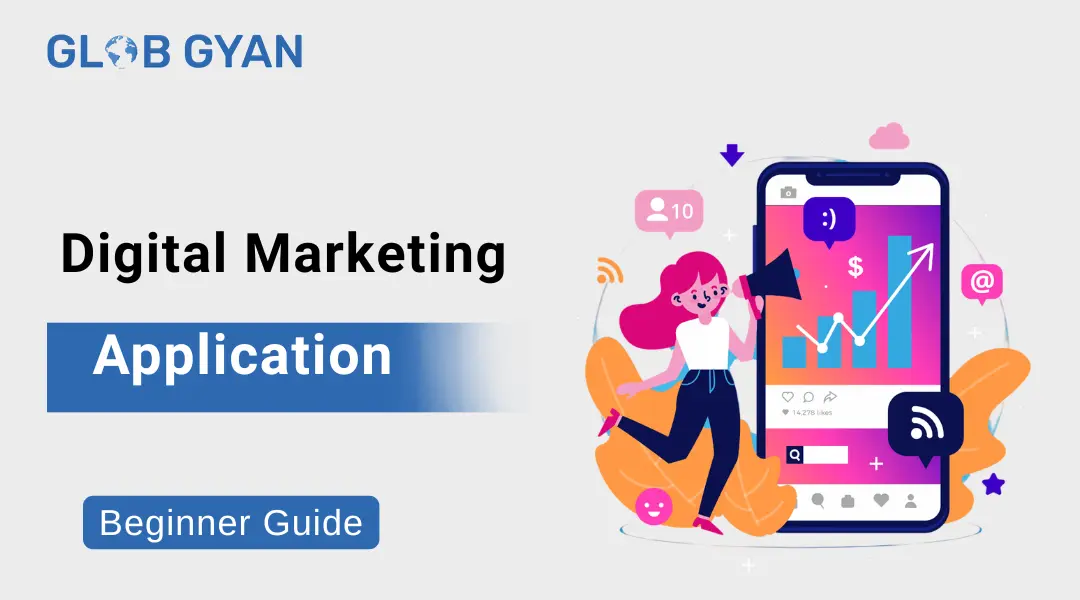
Digital marketing has become one of the most powerful tools for businesses in the modern world. Companies are no longer dependent only on traditional marketing methods like newspapers, banners, and television advertisements. Today, businesses use online platforms, social media, websites, search engines, and mobile applications to promote their products and services. With the rapid growth of internet users and smartphones, digital marketing has transformed the way organizations communicate with their customers and build strong brand relationships.
In 2026, digital marketing is not just an option but a necessity for businesses of all sizes. From small startups to multinational companies, everyone is using digital platforms to reach their target audience and increase sales. Online advertising, social media campaigns, content marketing, and email marketing are helping businesses grow faster and compete in the global market.
Understanding digital marketing applications is essential because it explains how digital tools and strategies are used in real-world business environments to achieve marketing goals and improve customer engagement.
What is a Digital Marketing Application?
Digital marketing application refers to the use of digital channels, tools, and technologies to promote products, services, and brands through the internet and electronic media. It involves applying marketing strategies on online platforms such as search engines, social media, websites, mobile apps, and email systems to reach potential customers and increase business growth.
The main purpose of digital marketing applications is to connect businesses with their target audience in a fast, efficient, and cost-effective way. It allows companies to analyze customer behavior, track marketing performance, and improve strategies based on real-time data. Unlike traditional marketing, digital marketing provides measurable results and better audience targeting.
Digital marketing applications are widely used in business promotion, brand awareness, online sales, customer engagement, and communication. Companies use digital tools to create advertisements, share content, interact with customers, and build long-term relationships. It also helps in increasing website traffic, generating leads, and improving conversion rates.
In simple words, digital marketing application is the practical use of digital marketing techniques to achieve business and marketing objectives through online platforms.
Importance of Digital Marketing Application in 2026
Digital marketing application has become extremely important in 2026 because businesses are moving towards online platforms to reach a larger audience and improve their marketing performance. The increasing use of smartphones, internet services, and social media platforms has created new opportunities for companies to promote their products globally.
One of the main reasons for the importance of digital marketing applications is its ability to reach a global audience. Businesses can connect with customers from different countries and regions without opening physical stores. This helps in expanding the market and increasing brand visibility.
Another important factor is cost-effectiveness. Digital marketing is more affordable than traditional marketing methods. Small businesses and startups can run online advertising campaigns with limited budgets and still achieve good results. This makes digital marketing accessible to everyone.
Digital marketing applications also allow companies to make data-driven decisions. Businesses can track customer behavior, analyze website traffic, measure campaign performance, and improve marketing strategies based on real-time data. This leads to better marketing results and higher return on investment.
In addition, digital marketing supports personalization and automation. Companies can send personalized emails, targeted advertisements, and customized content to customers based on their interests and preferences. This improves customer engagement and builds stronger relationships.
Types of Digital Marketing Application
Search Engine Optimization (SEO): Search Engine Optimization is one of the most important digital marketing applications. It helps websites rank higher on search engines like Google and attract organic traffic. SEO involves keyword research, content optimization, website structure improvement, and link building to increase visibility.
Social Media Marketing: Social media marketing involves promoting products and services through platforms like Facebook, Instagram, LinkedIn, and YouTube. Businesses use social media to share content, run advertisements, interact with customers, and build brand awareness.
Content Marketing: Content marketing focuses on creating valuable and informative content such as blogs, articles, videos, and infographics to attract and engage customers. It helps in building trust and improving search engine rankings.
Email Marketing: Email marketing is used to communicate directly with customers through emails. Companies send newsletters, promotional offers, and updates to maintain customer relationships and increase sales.
Pay-Per-Click Advertising (PPC): PPC advertising allows businesses to run paid advertisements on search engines and social media platforms. Companies pay only when users click on their ads, making it a cost-effective marketing strategy.
Mobile Marketing:Mobile marketing focuses on reaching customers through mobile apps, SMS, and push notifications. It helps businesses connect with users who spend most of their time on smartphones.
Affiliate Marketing: Affiliate marketing involves promoting products through partners or affiliates who earn a commission for every sale or lead generated. It is widely used in e-commerce and online businesses.
Applications of Digital Marketing in Different Industries
Business and E-commerce
Digital marketing is widely used in e-commerce and business industries to promote products and increase online sales. Companies use SEO, social media, and paid advertising to attract customers and improve brand visibility.
Education Sector
In the education sector, digital marketing helps in promoting online courses, educational institutions, and training programs. Schools and universities use websites, social media, and email marketing to connect with students and parents.
Healthcare Industry
Healthcare organizations use digital marketing to create awareness about medical services, promote health campaigns, and provide online consultations. It helps patients find doctors and hospitals easily.
Banking and Finance
Banks and financial institutions use digital marketing to promote services like loans, credit cards, and online banking. It helps in customer communication and brand trust.
Retail Industry
Retail businesses use digital marketing for online promotions, product advertisements, and customer engagement. It increases sales and improves customer experience.
Key Benefits of Digital Marketing Application
Digital marketing applications provide many benefits to businesses and organizations. One of the biggest advantages is global reach, which allows companies to connect with customers worldwide. It also helps in reducing marketing costs compared to traditional methods.
Another important benefit is targeted marketing. Businesses can reach specific audiences based on age, location, interests, and behavior. This improves marketing efficiency and increases conversion rates.
Digital marketing also provides measurable results. Companies can track website traffic, customer engagement, and campaign performance using analytics tools. This helps in improving marketing strategies and achieving better results.
It also supports 24/7 marketing, which means businesses can promote their products at any time. Customers can access information, make purchases, and interact with brands whenever they want.
Overall, digital marketing applications improve brand awareness, customer engagement, and business growth.
Modern Digital Marketing Applications in 2025–2026
Modern digital marketing is evolving rapidly with new technologies and tools. Artificial intelligence is playing a major role in automating marketing tasks and improving customer targeting. AI tools help in analyzing customer data, predicting behavior, and creating personalized marketing campaigns.
Chatbots are also becoming popular in digital marketing. They provide instant customer support and improve user experience on websites and mobile apps. Automation tools help businesses manage email campaigns, social media posts, and advertisements efficiently.
Voice search is another important trend in digital marketing. Many users now search for information using voice assistants, which requires businesses to optimize their content for voice search.
Augmented reality and virtual reality are also being used to create interactive marketing experiences. Video marketing and influencer marketing are gaining popularity and helping brands reach larger audiences.
These modern digital marketing applications are shaping the future of online marketing and making it more effective.
Real-World Examples of Digital Marketing Application
Many successful companies use digital marketing applications to grow their businesses. For example, Amazon uses personalized product recommendations based on customer behavior. Netflix suggests movies and shows based on user preferences.
Nike uses social media marketing and influencer campaigns to promote its products and connect with customers. Google Ads helps businesses advertise their products on search engines and reach targeted audiences.
YouTube marketing is also widely used by brands to promote products through video content. These real-world examples show how digital marketing applications help companies achieve success in the competitive market.
Challenges of Digital Marketing Application
Despite its benefits, digital marketing applications also face some challenges. One major challenge is high competition because many businesses are using digital marketing platforms. It becomes difficult to stand out in the market.
Data privacy and security issues are also a concern. Companies must protect customer information and follow data protection rules. Algorithm changes in search engines and social media platforms can affect marketing performance.
Another challenge is the need for technical skills and continuous learning. Digital marketing tools and technologies keep changing, so businesses must update their knowledge regularly.
Time and effort are also required to create quality content and manage online campaigns effectively.
Future of Digital Marketing Application
The future of digital marketing applications looks very promising. Artificial intelligence and automation will continue to improve marketing efficiency and customer experience. Businesses will use advanced analytics and data-driven strategies to make better decisions.
Voice search, personalized marketing, and immersive technologies like virtual reality will become more common. Social media and video marketing will continue to grow in importance.
In the coming years, digital marketing will become more customer-focused, interactive, and technology-driven. Companies that adopt modern digital marketing applications will achieve long-term success and growth.
Conclusion
Digital marketing has transformed the way businesses promote their products and connect with customers. It provides powerful tools and strategies that help companies reach global audiences, increase sales, and build strong brand relationships. From SEO and social media marketing to AI and automation, digital marketing applications play a crucial role in modern business success.
In today’s competitive world, businesses must understand and implement digital marketing strategies to stay ahead in the market. The future of digital marketing is bright, and companies that use digital marketing applications effectively will continue to grow and succeed in the digital era.
Frequently Asked Questions
Digital marketing application refers to the use of online tools and platforms to promote products, services, and brands through digital channels.
It helps businesses reach a global audience, increase brand awareness, and improve sales using cost-effective marketing strategies.
The main types include SEO, social media marketing, content marketing, email marketing, PPC, mobile marketing, and affiliate marketing.
It helps businesses attract customers, generate leads, improve engagement, and increase revenue through online marketing strategies.
Yes, it allows small businesses to promote their products at a low cost and reach targeted customers easily.
Common tools include Google Ads, social media platforms, email marketing software, SEO tools, and analytics tools.
It provides global reach, targeted marketing, measurable results, and better customer communication.
The future includes AI, automation, voice search, and personalized marketing strategies.
Industries like e-commerce, healthcare, education, banking, and retail use digital marketing.
Yes, it helps attract potential customers and convert them into buyers through targeted marketing campaigns.