




If you’ve been car shopping recently, you’ve probably seen the term “ADAS” on brochures and spec sheets. Almost every new car, from budget hatchbacks to luxury SUVs, now advertises it. But what does it actually do, and is it worth paying extra for?
This guide breaks down ADAS in plain language – what it is, how it works, its real benefits, its limits, and the maintenance costs most articles don’t mention.
What Does ADAS Mean?
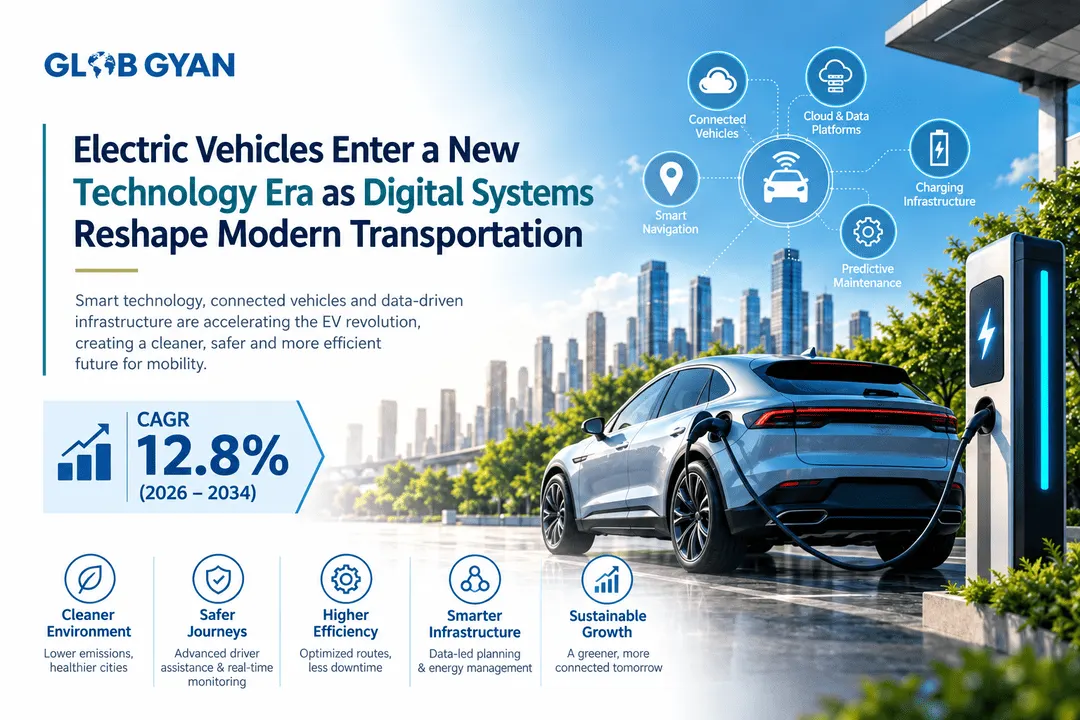
ADAS stands for Advanced Driver Assistance Systems. It’s a group of electronic technologies that help the driver drive more safely. These systems use sensors, cameras, and software to watch the road, warn the driver of danger and sometimes even take control of steering, braking or acceleration for a short moment.
Think of ADAS as a co-pilot. It doesn’t drive the car for you. It watches your blind spots, keeps an eye on the car ahead, and steps in only when it senses risk.
How Does ADAS Work?
ADAS relies on a network of hardware and software working together in real time. Here’s what’s inside:
- Cameras – Mounted on the windshield, mirrors, or bumpers, they read lane markings, traffic signs, and pedestrians.
- Radar sensors – Usually placed in the front and rear bumpers, they measure the distance and speed of nearby vehicles, even in fog or rain.
- Lidar sensors – Used in premium cars, they create a 3D map of the surroundings using laser pulses.
- Ultrasonic sensors – Short-range sensors used mainly for parking assist and low-speed obstacle detection.
- ECU (Electronic Control Unit) – The onboard computer that processes data from all sensors and decides what action to take.
All these components constantly talk to each other. If the radar detects a car braking suddenly ahead, the ECU can apply the brakes before the driver even reacts.
Common ADAS Features Explained
| Feature | What It Does | Common Name |
| Forward Collision Warning | Alerts driver if a crash with the vehicle ahead is likely | FCW |
| Autonomous Emergency Braking | Applies brakes automatically to avoid or reduce impact | AEB |
| Adaptive Cruise Control | Maintains a set speed and safe distance from traffic ahead | ACC |
| Lane Departure Warning | Warns if the car drifts out of its lane without indicating | LDW |
| Lane Keep Assist | Gently steers the car back into its lane | LKA |
| Blind Spot Monitoring | Detects vehicles in blind spots and alerts the driver | BSM |
| Rear Cross Traffic Alert | Warns of approaching vehicles while reversing | RCTA |
| Parking Assist | Helps steer or fully park the car with sensor guidance | PA |
| Driver Attention Monitoring | Detects drowsiness or distraction through steering patterns or cameras | DAM |
| Traffic Sign Recognition | Reads speed limits and signs, displaying them on the dashboard | TSR |
| High Beam Assist | Automatically switches between high and low beam headlights | HBA |
Not every car has all of these. Manufacturers usually bundle a few features into an “ADAS package” or trim level.
Levels of Driving Automation (SAE Levels)
People often confuse ADAS with self-driving cars. They’re not the same. The Society of Automotive Engineers (SAE) defines six levels of automation, and ADAS sits in the lower-to-middle range.
| Level | Name | What Happens |
| 0 | No Automation | Driver does everything; car may only warn |
| 1 | Driver Assistance | One function automated, like cruise control or steering |
| 2 | Partial Automation | Steering and speed both automated, driver must stay alert |
| 3 | Conditional Automation | Car handles most driving, driver must take over when asked |
| 4 | High Automation | Car drives itself in specific conditions, no driver needed there |
| 5 | Full Automation | Car drives itself everywhere, no steering wheel needed |
Most cars on Indian and global roads today sit at Level 1 or Level 2. This is important: even with ADAS switched on, you are legally and practically still the driver.
Why ADAS Matters: Real Benefits
- Reduces accidents caused by human error, distraction, or fatigue.
- Reacts faster than humans in emergency braking situations, often within milliseconds.
- Reduces driver fatigue on long highway drives through adaptive cruise control.
- Improves parking accuracy, especially useful in cramped city spaces.
- Lowers insurance risk in some markets, which can reduce premiums over time.
- Assists new or nervous drivers by adding a safety net during lane changes and reversing.
Limits and Hidden Costs
This is where many guides fall short. ADAS is helpful, but it has real limitations that every buyer should know.
1. ADAS Can Fail in Bad Weather or Poor Conditions
Heavy rain, fog, snow, or a dirty sensor can block cameras and radar. Faded lane markings or unusual road layouts can confuse lane-keep systems. Never treat ADAS as fully reliable in poor visibility.
2. ADAS Needs Calibration After Repairs
This is rarely mentioned, but it matters a lot:
- A cracked windshield replacement can shift the front camera’s position.
- A minor bumper repair after a scrape can misalign radar sensors.
- Even a wheel alignment service can affect ADAS accuracy.
After such repairs, the car needs a professional ADAS calibration using specialized equipment. Skipping this step can make safety features unreliable without any visible warning.
3. It Creates a False Sense of Security
Studies on driver behavior show that people relying heavily on ADAS tend to pay less attention to the road. This is sometimes called “automation complacency.” ADAS assists you — it does not replace attentive driving.
4. Repair and Insurance Costs Can Rise
Bumpers and windshields with embedded sensors cost more to repair than standard parts. Some insurers now factor ADAS component costs into premium calculations. It’s worth asking your insurer how ADAS repairs are covered before you buy.
5. Feature Names Differ by Brand
Automakers use different marketing names for similar tech (for example, one brand’s “Highway Driving Assist” may work like another’s “Adaptive Cruise Control with Lane Centering”). Always check the actual functionality in the owner’s manual, not just the marketing name.
ADAS in India: What Buyers Should Know
ADAS is no longer limited to luxury cars in India. Many mass-market cars now offer Level 1 and Level 2 ADAS features, partly driven by Bharat NCAP safety ratings pushing manufacturers to include more safety tech. A few practical tips for Indian roads:
- Indian traffic patterns (mixed vehicle types, unmarked lanes, pedestrians) can be harder for camera-based systems to read than in countries with strict lane discipline.
- Dust and heat can affect sensor performance, so keep sensor areas clean, especially before long trips.
- Check if ADAS calibration service is available at your nearest service center before buying, particularly in smaller cities.
ADAS vs Autonomous Driving: The Key Difference
- ADAS assists a human driver who remains responsible for driving at all times.
- Autonomous driving (Level 4 and 5) means the car can drive itself without human input in defined or all conditions.
No car sold to the public today is truly “self-driving” in the full sense. If a brand claims “self-driving,” it almost always still requires an alert human driver, legally and practically.
Quick Buyer’s Checklist
Use this checklist while comparing cars with ADAS:
- [ ] Which specific ADAS features are included (not just “ADAS” as a blanket term)?
- [ ] Does the car support Level 1 or Level 2 automation?
- [ ] Can features be turned off individually if you find them intrusive?
- [ ] Is ADAS calibration available at your local service center?
- [ ] How does ADAS affect insurance premium and repair cost?
- [ ] Do sensors work well in your local weather and road conditions?
Final Thoughts
ADAS is one of the most meaningful safety upgrades in modern cars. It uses cameras, radar, and smart software to catch mistakes before they become accidents. But it works best when you understand its limits: it needs maintenance, it can struggle in bad weather, and it’s not a substitute for attentive driving.
Before your next car purchase, look past the “ADAS” label. Check exactly which features are included, how they perform in your local conditions, and what it costs to keep them calibrated. That’s how you get real value from the technology, not just a checkbox on the spec sheet.
Frequently Asked Questions
Is ADAS the same as autopilot?
No. ADAS assists the driver, while autopilot-style systems (used loosely in marketing) still require constant driver attention and don’t remove legal responsibility from the driver.
Can I turn off ADAS features?
Yes, most systems allow you to disable individual features like lane keep assist through the infotainment settings, though core safety features like AEB often can’t be fully disabled.
Does ADAS work at night?
Camera-based features can be less effective at night or in low light, though radar-based features like adaptive cruise control generally perform consistently.
Is ADAS worth the extra cost?
For most drivers, yes — the safety benefits are well documented. Just factor in potential calibration and repair costs when budgeting.
Do I need to recalibrate ADAS after a windshield change?
Yes, almost always. The front camera is usually mounted near the windshield, and any replacement can shift its alignment, requiring recalibration.