
Navratri is one of the most sacred festivals in Hinduism dedicated to the nine divine forms of Goddess Durga, also known as the Navdurga. Each day of this festival honors a different form of the goddess. The 4th day of Navratri is dedicated to Goddess Kushmanda, a powerful and radiant form of the divine mother who is believed to be the creator of the universe.
Devotees worship Maa Kushmanda on Navratri Day 4 to seek blessings for health, prosperity, strength, and spiritual energy. Known as the goddess who created the universe with her divine smile, Kushmanda Devi represents cosmic energy, light, and positivity. Worshipping Mata Kushmanda helps devotees remove negativity and bring happiness and success into their lives.
Who is Goddess Kushmanda?
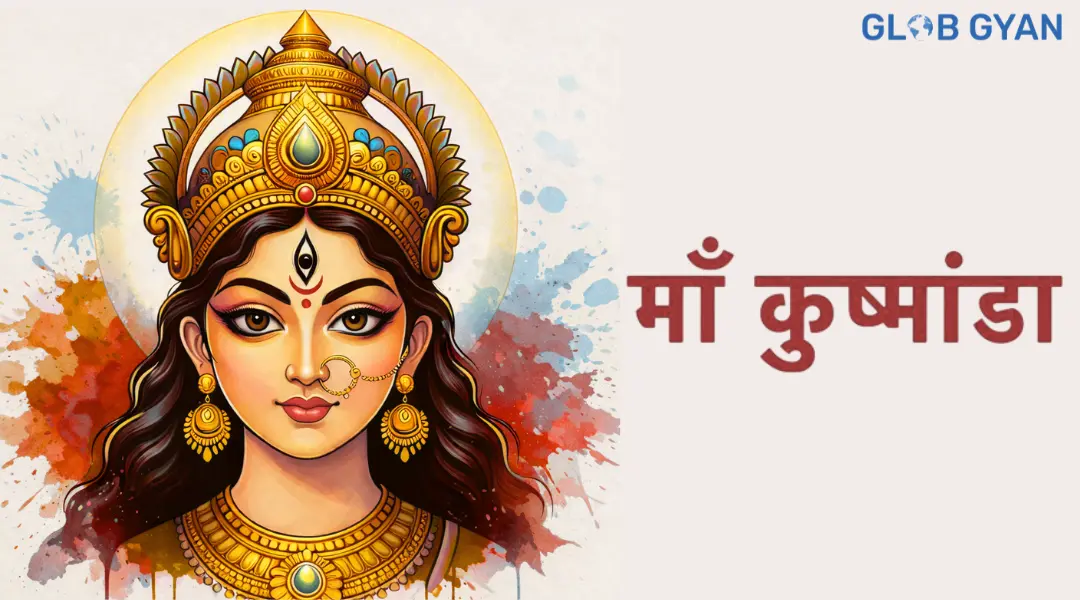
Goddess Kushmanda is the fourth form of Goddess Durga worshipped during Navratri. According to Hindu scriptures, when the universe was filled with darkness and nothing existed, Maa Kushmanda created the cosmos with her divine smile.
The name Kushmanda is derived from three words:
- Ku – Little
- Ushma – Warmth or energy
- Anda – Cosmic egg (the universe)
This means the goddess who created the universe from a tiny cosmic egg through her divine energy.
Because of this divine power, Kushmanda Mata is also known as the creator of the universe and the source of cosmic energy.
Goddess Kushmanda Appearance and Symbolism
Maa Kushmanda Devi is depicted as a radiant goddess with eight arms, which is why she is also called Ashtabhuja Devi.
She holds several sacred objects in her hands:
- Kamandal (water pot)
- Bow and arrow
- Lotus flower
- Chakra (discus)
- Gada (mace)
- Amrit Kalash (nectar pot)
- Rosary (jap mala)
- A jar filled with divine energy
Her vehicle is the lion, symbolizing courage, power, and determination.
According to belief, the divine aura of Goddess Kushmanda resides inside the Sun, which is why she is considered the goddess who controls the energy and brightness of the Sun.
Kushmanda Devi Story (Mythological Significance)
The Kushmanda Devi story explains the creation of the universe.
According to Hindu mythology, before creation there was complete darkness everywhere. There were no planets, stars, or life forms. At that time Devi Kushmanda appeared and smiled gently.
From her divine smile, a tiny cosmic egg formed. That cosmic egg expanded and eventually created the entire universe.
Because she created the universe from this cosmic egg, she became known as Goddess Kushmanda.
She then produced the Sun and filled it with divine energy so that life could exist on Earth. This is why devotees believe that worshipping Maa Kushmanda Devi brings vitality, energy, and good health.
Navratri Day 4 Goddess: Significance of Worship
The Navratri Day 4 goddess, Mata Kushmanda, is associated with the Anahata Chakra (Heart Chakra).
Worshipping Kushmanda Mata is believed to open the heart to love, compassion, peace, and positivity.
Devotees believe prayers to Devi Kushmanda can bring:
- Good health
- Prosperity
- Positive energy
- Success in life
- Removal of obstacles
- Spiritual growth
Because of these blessings, many devotees chant the Navratri Day 4 mantra and Kushmanda Mata mantra during the fourth day Navratri.
Kushmanda Devi Mantra (Navratri Day 4 Mantra)
Chanting the Kushmanda Devi mantra on the 4th day of Navratri is believed to bring divine blessings and positive energy.
Main Maa Kushmanda Mantra
ॐ देवी कूष्माण्डायै नमः॥
Om Devi Kushmandayai Namah
This Maa Kushmanda mantra helps devotees gain strength, positivity, and protection.
Kushmanda Mata Mantra (Dhyana Mantra)
सुरासम्पूर्णकलशं रुधिराप्लुतमेव च।
दधाना हस्तपद्माभ्यां कूष्मांडा शुभदास्तु मे॥
Chanting this Kushmanda Mata mantra daily during Navratri Day 4 helps attract prosperity, good health, and divine protection.
Maa Kushmanda Chalisa
Many devotees also recite the Maa Kushmanda Chalisa on the fourth day Navratri.
The Kushmanda Chalisa is a devotional hymn that praises the divine powers of Mata Kushmanda Devi.
Benefits of reciting the Maa Kushmanda Chalisa include:
- Removing fear and negativity
- Bringing prosperity and peace
- Improving health and strength
- Strengthening devotion toward the goddess
Navratri Day 4 Colour (What Colour to Wear)
Each day of Navratri has a special color. The fourth day Navratri colour is Orange.
Meaning of Orange Colour
Orange symbolizes:
- Energy
- Enthusiasm
- Spiritual power
- Positivity and happiness
Wearing orange clothes while worshipping Goddess Kushmanda is believed to attract divine blessings.
What to Wear on the 4th Day of Navratri
Devotees follow certain traditional clothing practices while worshipping Maa Kushmanda.
Recommended Colours
You can wear:
- Orange saree or salwar suit
- Orange kurta
- Saffron coloured clothes
- Golden or yellow shades
These colors represent divine energy and positivity.
Colours to Avoid
Devotees usually avoid wearing:
- Black
- Dark grey
- Extremely dull colours
These colours are believed to reduce the positive spiritual energy associated with Navratri Day 4 goddess.
Navratri Day 4 Puja Timing (Shubh Muhurat)
Performing the Maa Kushmanda puja at the right time is considered very important.
The best Puja timing for Navratri Day 4 is usually during the morning or early afternoon when positive spiritual energy is strongest.
Ideal Puja Time
- Morning: 6:00 AM – 11:30 AM
- Abhijit Muhurat: Around 12:00 PM
During this time devotees chant the Kushmanda Devi mantra, perform aarti, and offer prayers to Kushmanda Mata.
However, devotees can worship Goddess Kushmanda anytime during the day with devotion and faith.
Navratri Day 4 Puja Vidhi (Worship Method)
Devotees perform special rituals for Mata Kushmanda on the fourth day of Navratri.
Step-by-Step Puja Vidhi
- Wake up early and take a bath.
- Clean the temple or puja area in your home.
- Place the idol or image of Goddess Kushmanda.
- Light a diya and incense sticks.
- Offer flowers, fruits, and sweets.
- Chant the Navratri Day 4 mantra or Maa Kushmanda mantra.
- Offer malpua or pumpkin dishes to the goddess.
- Perform aarti and pray for blessings.
This ritual connects devotees with the divine energy of Kushmanda Mata.
What to Eat on Navratri Day 4 (Fasting Food)
Many devotees observe fasting during Navratri and follow special dietary rules on the fourth day Navratri.
Foods You Can Eat
Devotees usually consume satvik fasting food, such as:
- Fruits
- Milk and yogurt
- Sabudana khichdi
- Kuttu flour roti
- Singhara flour dishes
- Roasted makhana
- Potatoes cooked without regular salt
- Coconut water
These foods are light and help maintain energy during fasting.
Foods to Avoid
While observing the Navratri fast, devotees avoid:
- Onion
- Garlic
- Wheat flour
- Regular table salt
- Non-vegetarian food
- Alcohol
Following these dietary rules is believed to purify the body and mind while worshipping Devi Kushmanda.
Food Offering for Maa Kushmanda
Devotees also prepare special food offerings for Kushmanda Mata.
Common offerings include:
- Malpua
- Pumpkin dishes (since Kushmanda means pumpkin)
- Honey
- Fruits
- Coconut
- Dry fruits
Offering these foods during Navratri Day 4 is believed to bring prosperity and blessings.
Spiritual Benefits of Worshipping Goddess Kushmanda
Worshipping Goddess Kushmanda during the 4th Navratri brings many spiritual benefits.
Devotees believe it helps:
- Increase confidence and strength
- Remove diseases and health problems
- Bring wealth and success
- Remove negative energies
- Improve mental peace
- Activate the heart chakra
Because of her divine cosmic power, Devi Kushmanda is considered one of the most powerful forms of the goddess.
Importance of Navratri Day 4 in Astrology
In Hindu astrology, every day of Navratri carries special spiritual vibrations that influence zodiac signs.
Praying to Kushmanda Mata on the fourth Navratri is believed to balance planetary energies and improve life conditions.
If you want to understand how the nine forms of Goddess Durga influence different zodiac signs, you can also read our detailed guide on 12 rashi and their spiritual connection during Chaitra Navratri 2026.
Why Devotees Worship Mata Kushmanda
Devotees worship Maa Kushmanda Devi for many reasons.
She is believed to:
- Create the universe
- Control the energy of the Sun
- Remove darkness and negativity
- Bless devotees with prosperity and good health
Because of these divine qualities, Kushmanda Mata represents creation, light, and positive energy.
Conclusion
Goddess Kushmanda, the Navratri Day 4 goddess, represents the cosmic energy that created the universe. Her divine smile brought light into the darkness and formed the cosmic egg from which the universe emerged.
Worshipping Maa Kushmanda during the fourth day of Navratri helps devotees gain positivity, strength, prosperity, and spiritual growth. By chanting the Kushmanda Devi mantra, wearing the Navratri Day 4 colour (orange), following proper puja vidhi, and eating satvik fasting food, devotees can receive the divine blessings of Mata Kushmanda.
FAQs About Goddess Kushmanda
The 4th day Navratri goddess is Goddess Kushmanda, the fourth form of Goddess Durga who created the universe with her divine smile.
The main Kushmanda Devi mantra is:
Om Devi Kushmandayai Namah
Chanting this mantra during Navratri Day 4 brings positivity and strength.
The color of Navratri Day 4 is orange, symbolizing energy, enthusiasm, and positivity.
During fourth day Navratri, devotees eat fasting foods like sabudana, fruits, milk, kuttu roti, makhana, and potatoes.
Devotees offer malpua, pumpkin dishes, honey, fruits, and coconut to Kushmanda Mata during Navratri Day 4.