




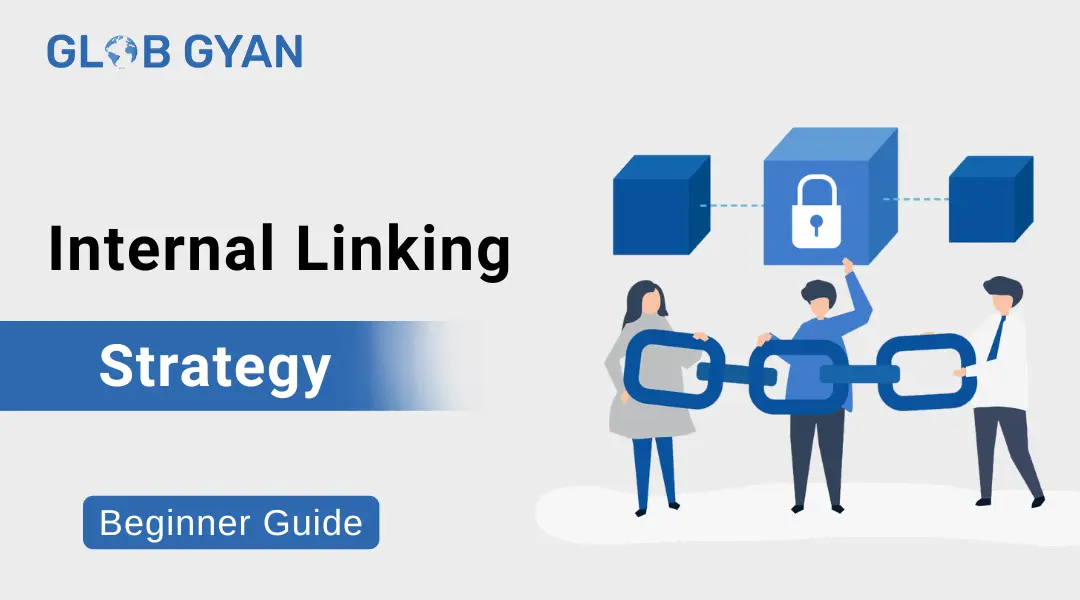
Internal links play a crucial role in improving website structure, user experience, and search rankings. A well-planned SEO internal linking strategy helps search engines understand your content better and distribute authority across important pages.
In this complete guide, you will learn what are internal links and how they work, how internal links and SEO are connected, and whether internal linking for SEO truly improves rankings. By the end, you’ll understand how to build a powerful interlinking SEO strategy that strengthens your overall search engine optimization links structure and boosts long-term growth.
What Are Internal Links and Why Do They Matter?
Internal links are hyperlinks that connect one page of your website to another page on the same domain. Unlike external links, which point to other websites, internal links SEO focuses on improving your own website structure.
They help:
- Search engines understand website structure
- Distribute link authority (link juice)
- Improve user navigation
- Increase time spent on site
If you’re serious about search engine optimization links, internal linking for SEO should be a core part of your strategy.
Do Internal Links Help SEO?
Yes, internal links help SEO significantly.
When search engines crawl your website, they use internal links to discover new pages and understand content relationships. A well-planned SEO internal linking structure helps:
- Improve page indexing
- Boost keyword rankings
- Reduce bounce rate
- Strengthen important pages
So if you’re wondering, does internal linking help SEO? — the answer is absolutely yes.
How Internal Links and SEO Work Together
Internal links and SEO are closely connected because they:
1. Pass Authority
When a high-authority page adds internal links to another page, it passes link equity (SEO value). This helps the linked page gain more trust in search engines. As a result, its ranking potential improves.
2. Improve Crawlability
Search engines like Google use internal links to discover and index pages on your website. Proper linking ensures no important page is missed during crawling. This makes your SEO internal linking strategy more effective.
3. Create Content Hierarchy
Internal linking helps organize your website into main (pillar) pages and related supporting pages. This structure makes it easier for search engines to understand topic relevance. A clear hierarchy strengthens your overall internal links SEO performance.
Types of Internal Links
- Navigational Links – Menu, Header, Footer
These links appear in your main menu, header, or footer section of the website. They help users easily access important pages like Home, About, or Contact. - Contextual Links – Links Within Blog Content
These are internal links placed naturally inside blog paragraphs. They connect related content and are highly effective for internal linking for SEO. - Breadcrumb Links – Show Page Hierarchy
Breadcrumbs display the path of a page within your website structure. They improve navigation and help search engines understand content hierarchy. - Sidebar Links – Highlight Important Pages
These links appear in the sidebar section of a webpage. They are used to promote key pages, recent posts, or important categories.
For strong internal linking for SEO, contextual links are the most powerful.
How to Build a Strong SEO Internal Linking Strategy
Here’s a step-by-step interlinking SEO strategy:
Step 1: Create Pillar Content
Identify your most important pages (cornerstone content).
For example, if you’ve written a detailed guide on digital marketing basics, you can naturally link to your blog explaining what digital marketing is. This strengthens topical relevance and improves internal links SEO structure.
Step 2: Use Descriptive Anchor Text
Avoid generic anchors like “click here.” Instead, use keyword-rich anchors related to seo internal linking or search engine optimization links.
Step 3: Link Deep Pages
Don’t just link to your homepage. Support deeper pages to distribute authority evenly.
Step 4: Maintain Relevance
Internal linking for SEO works best when content is topically related.
For example, while explaining overall SEO fundamentals, you can internally connect readers to your detailed article on what is SEO, helping them understand the foundation before diving deeper into advanced internal links strategy.
Step 5: Avoid Over-Linking
Too many internal links can look spammy. Keep it natural and user-focused.
Best Practices for Internal Linking
- Use 3–5 contextual internal links per 1000 words
- Link from high-traffic pages to new pages
- Update old content with new internal links
- Fix broken internal links regularly
- Maintain a logical website structure
A consistent seo internal linking strategy ensures long-term ranking growth.
Common Internal Linking Mistakes
- Using the same anchor text repeatedly
- Linking unrelated pages
- Ignoring orphan pages
- Not updating old content
- Over-optimizing anchors
Smart internal links and SEO planning always prioritize user experience.
Conclusion
Internal links are not just navigation tools — they are powerful SEO signals. A strong interlinking SEO strategy improves rankings, enhances crawlability, and strengthens website authority.
If implemented correctly, internal linking for SEO can significantly impact how search engines understand and rank your content.
Now that you understand what internal links are and how they influence search engine optimization links, it’s time to optimize your website structure strategically.
Frequently Asked Questions
Internal links connect one page of a website to another page on the same domain, helping search engines crawl and understand site structure.
Yes, internal links help SEO by improving indexing, distributing authority, and enhancing user navigation.
Generally, 3–5 relevant contextual internal links per 1000 words work well, but quality matters more than quantity.
Internal linking supports rankings indirectly by improving crawlability, authority flow, and content relevance.
Internal links point to pages within the same website, while external links point to pages on different domains.