
Navratri is one of the most sacred Hindu festivals dedicated to the nine divine forms of Goddess Durga, known as Navdurga. Each day of this nine-day festival is devoted to a different form of the Goddess who represents divine energy, protection, and spiritual power. The fifth day of Navratri is dedicated to Goddess Skandamata, a compassionate and powerful manifestation of Goddess Durga.
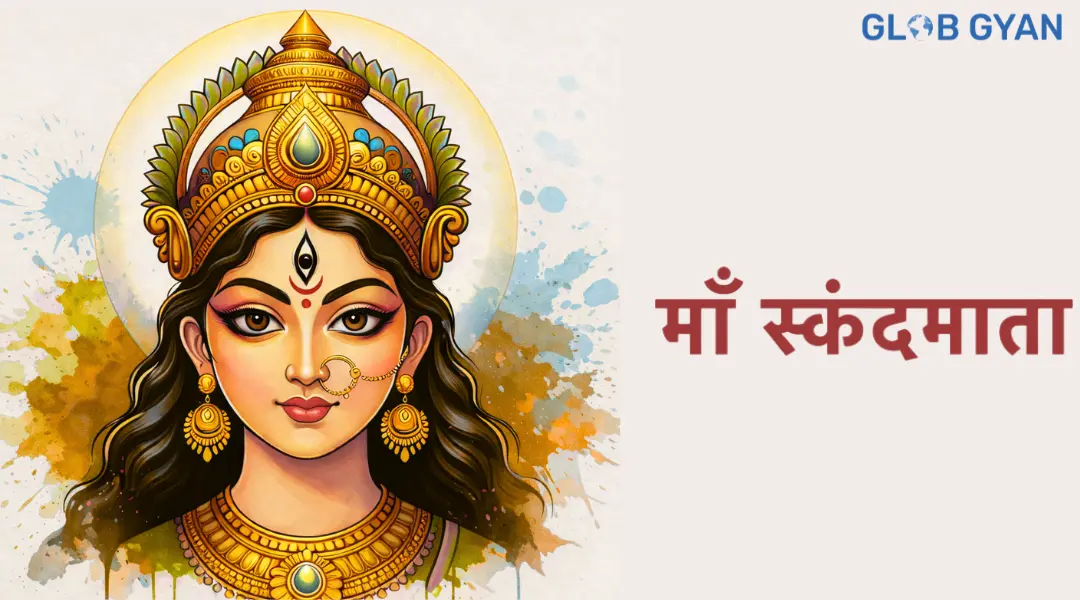
Goddess Skandamata is worshipped as the mother of Lord Skanda, also known as Kartikeya, the commander of the divine army. She symbolizes motherhood, courage, wisdom, and unconditional love. Devotees believe that worshipping Goddess Skandamata during Navratri brings peace, prosperity, and spiritual growth into their lives.
During Chaitra Navratri 2026, devotees across India will celebrate the fifth day by performing Maa Skandamata puja, chanting sacred mantras, and offering bhog to seek the blessings of the divine mother.
Goddess Skandamata – The Divine Mother of Lord Kartikeya
Goddess Skandamata is the fifth form among the Navdurga and represents the nurturing and protective aspect of the divine mother. The name Skandamata is derived from two Sanskrit words:
- Skanda – another name of Lord Kartikeya
- Mata – meaning mother
Because she carries her son Skanda on her lap, she is known as Skandamata, meaning “Mother of Skanda.”
In Hindu iconography, Goddess Skandamata is depicted sitting on a beautiful lotus flower while holding baby Skanda in her lap. She has four arms and carries lotus flowers in two hands while one hand holds Lord Skanda and the other is raised in a blessing gesture.
Due to her connection with the lotus flower, she is also called Padmasana Devi.
Devotees who worship Goddess Skandamata with devotion are believed to receive wisdom, happiness, and divine blessings.
Navratri Day 5 – Date and Puja Timing (2026)
During Chaitra Navratri 2026, the fifth day dedicated to Goddess Skandamata will be celebrated on:
Navratri Day 5 Date (2026):
23 March 2026 – Monday
Best Time for Maa Skandamata Puja:
Morning after sunrise or during Brahma Muhurat is considered the most auspicious time.
Devotees wake up early, take a holy bath, clean the puja area, and perform Maa Skandamata puja with flowers, incense, and sacred mantras.
If you are observing the full Navratri fast, you can also read our detailed guide on Chaitra Navratri 2026 to understand the rituals, colors, and significance of all nine days.
Maa Skandamata Story (Mythological Significance)
The Maa Skandamata story is closely connected to the birth of Lord Kartikeya. According to Hindu mythology, a powerful demon named Tarakasura created terror across the universe. He had received a boon that only the son of Lord Shiva could defeat him.
To destroy the demon and restore balance in the universe, Lord Kartikeya (Skanda) was born. Goddess Parvati, in the form of Goddess Skandamata, raised and protected him with divine care.
When Lord Kartikeya grew up, he defeated the demon Tarakasura and saved the gods and humanity. Because she nurtured the divine warrior, Parvati became known as Skandamata, the mother of Skanda.
This story highlights the power of motherhood and the protective nature of the divine feminine energy.
Appearance and Symbolism of Goddess Skandamata
The idol of Goddess Skandamata carries deep spiritual symbolism.
She is usually depicted with:
- Four arms
- Two hands holding lotus flowers
- One hand holding infant Lord Skanda
- One hand in Abhaya Mudra (blessing posture)
She rides a lion, symbolizing courage and strength. The lotus seat represents purity and spiritual enlightenment.
Worshipping Goddess Skandamata is believed to open the path to wisdom and inner peace.
Navratri Day 5 Colour for Goddess Skandamata
Each day of Navratri is associated with a special color. On day 5 Navratri Goddess Skandamata, devotees traditionally wear white.
Significance of White Colour
- Symbolizes purity and peace
- Represents spiritual clarity
- Reflects calmness and devotion
Wearing white clothes while performing Maa Skandamata puja is believed to attract positive energy and divine blessings.
Maa Skandamata Mantra
Chanting the Maa Skanda Mata mantra during Navratri helps devotees connect with the divine energy of the Goddess.
Maa Skandamata Mantra
“Om Devi Skandamatayai Namah”
Devotees usually chant this Maa Skanda mantra 108 times during the puja to receive blessings and remove obstacles from life.
Benefits of Chanting Maa Skanda Mata Mantra
- Brings peace and prosperity
- Removes negative energies
- Strengthens family bonds
- Enhances spiritual growth
Regular chanting of the Maa Skanda Mata mantra during Navratri increases devotion and positivity.
Maa Skandamata Aarti
Performing Maa Skandamata Aarti is an important ritual on the fifth day of Navratri.
During the aarti, devotees light a diya, ring bells, and sing devotional songs dedicated to the Goddess. The Maa Skandamata Aarti is usually performed both in the morning and evening.
It is believed that performing aarti with devotion brings happiness, protection, and blessings from the Goddess.
Maa Skandamata Bhog
Offering Maa Skandamata bhog is an essential part of the puja.
Traditional Bhog for Goddess Skandamata
- Bananas (most important offering)
- Kheer
- Milk sweets
- Panchamrit
- Fresh fruits
Bananas are considered the most auspicious Maa Skandamata bhog, as they symbolize nourishment, prosperity, and good health.
What to Eat During Navratri Fast (Day 5)
During Navratri fasting, devotees follow a satvik diet that keeps the body pure and energized.
Foods You Can Eat
- Fruits
- Milk and dairy products
- Sabudana dishes
- Kuttu flour (buckwheat)
- Singhara flour
- Potatoes
- Rock salt (Sendha Namak)
These foods help maintain energy levels while observing the fast.
What Not to Eat During Navratri
While worshipping Goddess Skandamata, devotees avoid foods considered impure or tamasic.
Foods to Avoid
- Onion and garlic
- Wheat and rice (for strict fasting)
- Regular salt
- Non-vegetarian food
- Alcohol
Avoiding these foods helps maintain spiritual purity during Navratri.
Maa Skandamata Puja Vidhi (Step-by-Step)
The Maa Skandamata puja should be performed with devotion and proper rituals.
Puja Steps
- Wake up early and take a bath.
- Clean the puja area and place the idol of Goddess Skandamata.
- Light a diya and incense sticks.
- Offer flowers, fruits, and Maa Skandamata bhog.
- Chant the Maa Skanda Mata mantra.
- Perform Maa Skandamata Aarti.
- Pray for peace, prosperity, and happiness.
Navratri, Spiritual Energy & Astrology
Navratri is not only a religious festival but also a time of spiritual transformation. The worship of the nine forms of Goddess Durga is believed to influence cosmic energies and bring balance to life.
Many people also connect Navratri worship with astrology to understand how divine energy affects their destiny. If you want to learn more about zodiac signs and their spiritual meanings, you can explore our detailed guide on 12 rashi, which explains the characteristics and personality traits of each zodiac sign in Vedic astrology.
Conclusion
Goddess Skandamata represents the nurturing power of the divine mother and the strength that protects the universe from negativity. Worshipping Goddess Skandamata on the fifth day of Navratri brings wisdom, prosperity, and peace into the lives of devotees.
Through rituals like Maa Skandamata puja, chanting the Maa Skanda Mata mantra, offering Maa Skandamata bhog, and performing Maa Skandamata Aarti, devotees strengthen their spiritual connection with the Goddess.
During day 5 Navratri Goddess Skandamata, wearing white clothes, maintaining a satvik diet, and praying with devotion can bring positivity and harmony to life.
As Chaitra Navratri 2026 approaches, devotees across the world will celebrate this sacred festival with faith and devotion, honoring the powerful forms of Goddess Durga.
FAQs About Goddess Skandamata
Goddess Skandamata is the fifth form of Goddess Durga worshipped on the fifth day of Navratri. She is the mother of Lord Kartikeya and symbolizes motherhood, courage, and divine protection.
In Chaitra Navratri 2026, the day dedicated to Goddess Skandamata will be celebrated on 23 March 2026.
The main Maa Skanda Mata mantra is:
“Om Devi Skandamatayai Namah.”
The traditional Maa Skandamata bhog includes bananas, kheer, milk sweets, fruits, and panchamrit.
The auspicious colour for day 5 Navratri Goddess Skandamata is white, which symbolizes purity, peace, and devotion.