




Every business depends on strong customer relationships for long-term success. Whether a company sells products online, offers services or handles customers in physical stores, maintaining proper communication with customers plays a major role in business growth. This is where CRM becomes important for modern businesses.
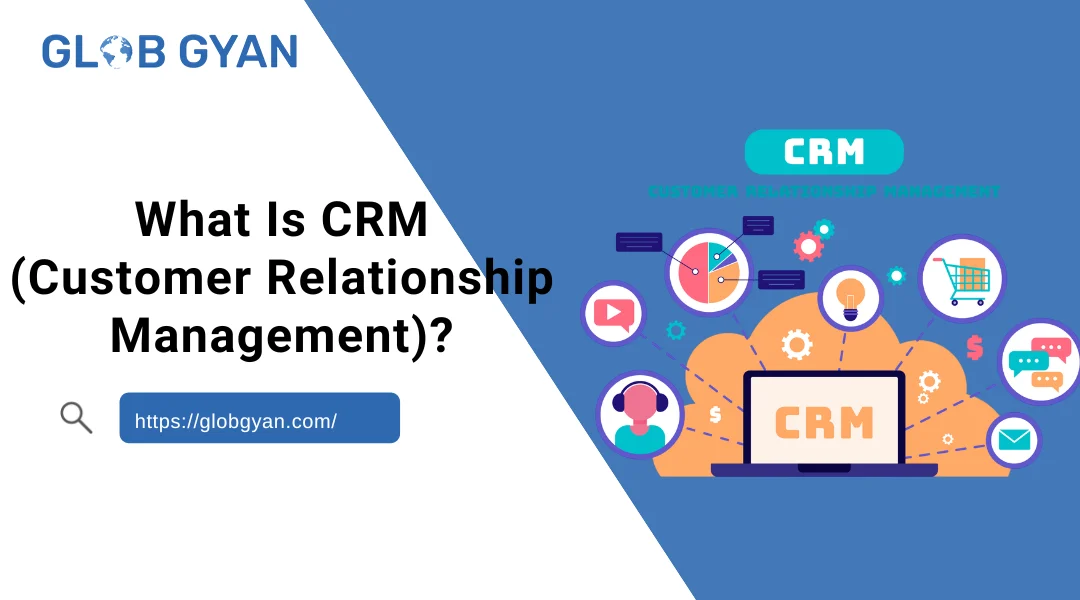
If you are wondering what is CRM, it is a system that helps businesses manage customer interactions, organize customer data, improve sales processes, and provide better customer support. CRM tools allow companies to understand customer needs, track communication and build long-term relationships more effectively.
This knowledge will explain what is CRM, CRM full form, CRM process, CRM tools, importance of CRM, components of customer relationship management, advantages and disadvantages of CRM and how CRM systems help businesses improve customer experience and overall performance.
What is CRM?
CRM full form is Customer Relationship Management. It is a system, strategy, and technology used by businesses to manage interactions with customers and improve customer relationships.
In simple words, CRM helps businesses keep track of customer information such as:
- Customer names and contact details
- Purchase history
- Customer complaints
- Sales records
- Emails and communication history
- Follow-ups and support requests
The main goal of customer relationship management is to improve customer experience and build long-term relationships.
For example, when you visit an online shopping website and receive personalized product suggestions or follow-up emails, that company is likely using a CRM system.
Today, CRM is used in many industries including:
- E-commerce
- Healthcare
- Banking
- Real estate
- Education
- Digital marketing agencies
- Customer support companies
Businesses use CRM because managing customer relationships manually becomes difficult as the number of customers increases.
Who is CRM for?
Many people believe that CRM systems are only designed for large companies, but in reality, businesses of all sizes can benefit from customer relationship management. Whether it is a small startup, a growing online business, or a large enterprise, CRM helps organizations manage customer relationships, improve communication, and increase overall business efficiency.
The main purpose of CRM is to organize customer information, track customer interactions, and improve the customer experience. As businesses grow, managing leads, customer data, follow-ups, and sales manually becomes difficult. This is why CRM tools have become an important part of modern business management.
CRM for Small Businesses
Small businesses often have limited teams and resources, which makes managing customers more challenging. A CRM system helps small businesses store customer data, manage communication, and track leads in one place.
For example, a small business owner can use CRM software to:
- Save customer contact details
- Track customer inquiries
- Manage follow-up emails
- Monitor sales activities
- Improve customer support
Using CRM tools helps small businesses stay organized and build stronger customer relationships without needing large teams or complicated systems.
CRM for Startups
Startups focus heavily on growth, lead generation, and customer acquisition. Customer relationship management software helps startups organize customer information and improve communication from the beginning.
CRM systems allow startups to:
- Manage potential customers
- Track sales opportunities
- Automate follow-ups
- Improve marketing campaigns
- Analyze customer behavior
Startups often use cloud-based CRM tools because they are affordable, scalable, and easy to use. As the business grows, the CRM system can grow with it.
CRM for Sales Teams
Sales teams are among the biggest users of CRM software. Managing leads, tracking conversations, and following up with customers manually can take a lot of time. CRM tools simplify the entire sales process.
Sales teams use CRM systems to:
- Track leads and opportunities
- Manage the sales pipeline
- Schedule follow-ups
- Record customer interactions
- Analyze sales performance
A CRM system helps sales representatives understand customer needs and improve conversion rates. This increases productivity and helps businesses generate more revenue.
CRM for Marketing Teams
Marketing teams use CRM tools to create personalized campaigns and improve customer engagement. Since CRM systems store customer data and behavior, marketers can better understand their target audience.
CRM helps marketing teams with:
- Email marketing campaigns
- Customer segmentation
- Marketing automation
- Customer journey tracking
- Campaign performance analysis
For example, businesses can send personalized product recommendations or promotional emails based on customer interests and previous purchases. This improves customer satisfaction and marketing performance.
CRM for Customer Support Teams
Providing fast and effective support is important for maintaining strong customer relationships. CRM systems help customer support teams access customer history quickly and solve problems more efficiently.
Support teams use CRM software to:
- Track customer complaints
- Monitor support tickets
- View communication history
- Provide faster responses
- Improve customer satisfaction
When support agents have complete customer information in one place, they can deliver a better customer experience and build long-term trust.
CRM for Large Enterprises
Large companies handle thousands of customers every day, making customer relationship management even more important. Enterprise CRM solutions help businesses manage complex operations, large customer databases, and multiple departments.
Large enterprises use advanced CRM systems with features such as:
- AI integration
- Automation tools
- Advanced analytics
- Cloud-based CRM platforms
- Multi-team collaboration
- Real-time reporting
These advanced CRM tools help enterprises improve efficiency, manage customer relationships at scale, and make data-driven business decisions.
CRM for E-commerce Businesses
E-commerce companies rely heavily on customer data and personalized communication. CRM tools help online businesses track customer behavior, manage orders, and improve customer retention.
CRM systems in e-commerce are used for:
- Personalized product recommendations
- Cart abandonment follow-ups
- Customer loyalty programs
- Order tracking
- Automated email campaigns
This helps businesses increase sales and improve the online shopping experience.
CRM for Service-Based Businesses
Service-based businesses such as agencies, consultants, and healthcare providers also use CRM systems to manage appointments, customer communication, and service records.
CRM software helps service businesses:
- Manage client relationships
- Schedule meetings
- Track communication
- Store customer information
- Improve customer support
This creates better communication and improves overall client satisfaction.
Why Every Business Needs CRM
The importance of CRM continues to grow because customer expectations are changing rapidly. Customers now expect faster communication, personalized experiences, and better support from businesses.
A good CRM system helps businesses:
- Improve customer relationships
- Increase customer retention
- Organize customer data
- Improve sales performance
- Automate business processes
- Support long-term business growth
In simple words, CRM is not only for big companies. It is for any business that wants to improve customer relationship management, increase customer satisfaction, and grow more efficiently in the digital world.
The Value of CRM in Modern Business
The value of CRM goes far beyond simply storing customer information. Modern businesses use customer relationship management systems to improve customer communication, build stronger relationships, increase sales, and create better customer experiences. In a competitive digital market, understanding customer needs and maintaining long-term relationships has become one of the most important factors for business success.
A CRM system helps businesses organize customer data, track customer interactions, analyze customer behavior, and improve communication across different departments. Instead of managing customer information manually, companies use CRM tools to automate tasks, improve productivity, and make smarter business decisions.
One of the biggest advantages of CRM is that it helps businesses create personalized experiences for customers. When businesses understand customer preferences, purchase history, and communication patterns, they can provide more relevant recommendations, offers, and support. This improves customer satisfaction and builds long-term trust.
Better Customer Experience
Providing a better customer experience is one of the main reasons businesses invest in CRM software. Customers expect quick responses, personalized communication, and smooth support services. A CRM system helps businesses manage all customer interactions in one place, making communication faster and more organized.
For example, customer support teams can quickly access customer history, previous purchases, and past conversations. This allows businesses to solve customer problems more efficiently and improve overall customer satisfaction.
CRM tools also help businesses send personalized emails, promotional offers, and follow-up messages based on customer interests. Personalized communication makes customers feel valued and increases engagement.
Improved Customer Retention
Customer retention is one of the most important objectives of customer relationship management. Finding new customers often costs more than keeping existing customers. Businesses that maintain strong customer relationships usually achieve better long-term growth.
CRM systems help businesses track customer activity, monitor customer behavior, and identify customers who may stop using their products or services. Businesses can then take action by offering support, discounts, or personalized communication to improve customer loyalty.
Strong customer retention not only increases profits but also helps businesses build a loyal customer base over time.
Organized Customer Information
Managing customer information manually can become difficult as a business grows. CRM software stores all customer data in one centralized system, making it easier to access and manage information.
A CRM system can store:
- Customer contact details
- Purchase history
- Emails and communication records
- Support requests
- Sales information
- Customer preferences
Having organized customer data helps businesses improve efficiency and avoid communication mistakes. Different departments such as sales, marketing, and customer support can access the same customer information, improving teamwork and coordination.
Faster Communication
Fast communication plays an important role in customer satisfaction. Customers prefer businesses that respond quickly to their questions and support requests. CRM tools help businesses improve response times by organizing communication in a single platform.
Businesses can use CRM systems to:
- Respond to customer inquiries faster
- Automate follow-up emails
- Send reminders and notifications
- Track communication history
- Manage customer support tickets
This improves the overall customer experience and helps businesses maintain professional communication.
Increased Productivity
One of the biggest benefits of CRM is improved productivity. Many repetitive business tasks can be automated using CRM software. This allows employees to focus more on customer relationships and business growth instead of manual administrative work.
CRM automation can help businesses with:
- Email marketing
- Lead tracking
- Sales follow-ups
- Appointment scheduling
- Reporting and analytics
By reducing manual work, businesses save time and improve operational efficiency.
Better Decision Making
Modern CRM systems provide valuable analytics and reporting tools that help businesses make informed decisions. CRM analytics allow companies to understand customer behavior, sales performance, and marketing effectiveness.
Businesses can use CRM reports to:
- Analyze customer trends
- Monitor sales growth
- Measure marketing performance
- Identify customer needs
- Improve business strategies
Data-driven decision-making helps businesses improve performance and stay competitive in the market.
What are the Benefits of CRM
The importance of CRM has increased significantly because modern businesses now focus more on customer experience, personalized communication, and long-term customer relationships. In today’s competitive digital market, simply selling a product or service is not enough. Businesses must understand customer needs, maintain proper communication, and provide better support to keep customers satisfied. This is where customer relationship management becomes extremely valuable.
A CRM system helps businesses manage customer interactions, organize customer data, improve sales processes, and automate many daily business tasks. From small businesses to large enterprises, companies use CRM tools to improve productivity, increase sales, and build stronger customer relationships.
One of the biggest advantages of CRM is that it allows businesses to manage all customer-related activities in one centralized system. This improves efficiency and helps teams work more effectively.
Better Customer Service
Providing excellent customer service is one of the biggest benefits of CRM. Customers expect fast responses and personalized support whenever they contact a business. CRM systems allow businesses to access customer information quickly, making it easier to understand customer problems and provide accurate solutions.
For example, customer support teams can view:
- Customer purchase history
- Previous conversations
- Support requests
- Customer preferences
Having all this information in one place helps businesses respond faster and improve customer satisfaction. Better customer service also helps businesses build trust and long-term customer loyalty.
Increased Sales
CRM software helps businesses improve sales performance by organizing leads, tracking customer interactions, and managing follow-ups more effectively. Sales teams can easily monitor the entire sales pipeline and focus on potential customers with higher conversion chances.
CRM systems help sales teams:
- Track leads and opportunities
- Schedule follow-ups
- Monitor customer communication
- Identify sales trends
- Improve conversion rates
With better lead management and customer insights, businesses can increase sales and improve revenue growth.
Improved Customer Retention
Customer retention is one of the main objectives of customer relationship management. Keeping existing customers is often more cost-effective than acquiring new ones. Businesses that maintain strong customer relationships usually achieve better long-term success.
CRM systems help businesses stay connected with customers through personalized communication, follow-up emails, and customer support. By understanding customer behavior and preferences, businesses can provide better experiences and improve customer loyalty.
Satisfied customers are more likely to return, recommend the business to others, and continue using products or services for a longer time.
Marketing Automation
Marketing automation is another major advantage of CRM tools. Businesses can automate many marketing activities, saving time and improving campaign performance.
CRM systems can automate:
- Email marketing campaigns
- Promotional messages
- Customer notifications
- Follow-up reminders
- Customer segmentation
For example, businesses can automatically send personalized product recommendations based on customer interests or previous purchases. This improves engagement and increases the effectiveness of marketing campaigns.
Marketing automation also helps businesses reach the right audience at the right time.
Better Team Collaboration
Different departments in a business often need access to the same customer information. CRM software improves collaboration between sales, marketing, and customer support teams by storing customer data in one centralized system.
When all teams can access updated customer information, businesses can:
- Improve communication
- Reduce misunderstandings
- Provide consistent customer support
- Work more efficiently
For example, if a customer contacts support after speaking with the sales team, the support agent can view the entire communication history instantly. This creates a smoother customer experience.
Improved Customer Insights
Modern CRM systems provide valuable customer insights through analytics and reporting tools. Businesses can analyze customer behavior, buying patterns, and communication trends to better understand their audience.
CRM analytics help businesses:
- Understand customer preferences
- Identify customer needs
- Monitor customer engagement
- Improve marketing strategies
- Predict future customer behavior
These insights help businesses make smarter decisions and improve overall business performance.
Time Saving
One of the most practical benefits of CRM is time saving. Many repetitive tasks can be automated using CRM software, reducing manual work and improving productivity.
CRM automation can handle tasks such as:
- Sending emails
- Scheduling follow-ups
- Updating customer records
- Generating reports
- Managing reminders
This allows employees to focus more on customer relationships and important business activities instead of spending time on administrative work.
Better Data Management
Managing customer data manually becomes difficult as a business grows. CRM systems help businesses organize and secure customer information in one place.
A CRM system stores:
- Customer contact details
- Sales records
- Communication history
- Customer preferences
- Support tickets
Better data management improves accuracy, reduces errors, and makes customer information easier to access. It also helps businesses maintain data security and compliance.
Types of CRM Solution
Different businesses have different customer management needs, which is why there are several types of CRM solutions available in the market. Some companies focus more on sales automation, while others need better customer data analysis or stronger communication between departments. Customer relationship management systems are designed to help businesses manage these specific requirements more efficiently.
Choosing the right CRM solution depends on factors such as business size, industry, goals, customer interaction methods, and workflow requirements. Modern CRM tools are usually divided into three major categories: Operational CRM, Analytical CRM, and Collaborative CRM.
Each type of CRM system plays an important role in improving customer relationships, increasing productivity, and supporting business growth.
Operational CRM
Operational CRM focuses mainly on automation and daily business operations. This type of customer relationship management solution helps businesses manage customer interactions more efficiently by automating repetitive tasks and improving workflows.
Operational CRM is widely used by sales teams, marketing departments, and customer support teams because it simplifies everyday business activities and improves productivity.
Main Features of Operational CRM
Operational CRM usually includes:
- Sales automation
- Marketing automation
- Customer service automation
- Lead management
- Contact management
- Workflow automation
Sales Automation
Sales automation helps businesses manage the sales process more effectively. CRM tools can automatically track leads, schedule follow-ups, and monitor sales activities. This allows sales teams to focus more on converting leads into customers instead of managing manual tasks.
For example, when a customer fills out a contact form on a website, the CRM system can automatically save customer information and assign the lead to a sales representative.
Marketing Automation
Marketing automation is another important feature of operational CRM. Businesses can automate email campaigns, promotional messages, customer segmentation, and follow-up communication.
This helps businesses improve customer engagement and run personalized marketing campaigns more efficiently.
Customer Service Automation
Operational CRM also improves customer support by organizing customer inquiries, support tickets, and communication history in one system. Customer support teams can quickly access customer information and provide faster solutions.
Benefits of Operational CRM
Operational CRM helps businesses:
- Improve efficiency
- Reduce manual work
- Save time
- Improve customer service
- Increase sales productivity
- Manage customer communication more effectively
This type of CRM is especially useful for businesses that handle large numbers of customer interactions every day.
Analytical CRM
Analytical CRM focuses on customer data analysis and business intelligence. Instead of mainly automating tasks, this type of CRM system helps businesses understand customer behavior, sales trends, and marketing performance through data analysis.
Analytical CRM is important for companies that want to make data-driven business decisions and improve customer strategies.
Main Functions of Analytical CRM
Analytical CRM helps businesses:
- Understand customer behavior
- Analyze customer preferences
- Monitor sales performance
- Generate reports and insights
- Predict customer trends
- Improve marketing strategies
Customer Behavior Analysis
Analytical CRM systems collect customer data from multiple sources such as websites, emails, social media, and purchase history. Businesses can then analyze this information to better understand customer interests and buying behavior.
For example, businesses can identify:
- Which products customers buy most often
- Which marketing campaigns perform best
- Which customers are most loyal
- Which services customers prefer
Sales Performance Analysis
Businesses use analytical CRM tools to monitor sales performance and identify opportunities for improvement. CRM reports help companies track revenue, sales conversion rates, and customer acquisition costs.
Predicting Customer Trends
Modern analytical CRM systems often use AI and predictive analytics to forecast customer behavior and future trends. Businesses can use this information to improve planning, marketing, and customer engagement.
Benefits of Analytical CRM
Analytical CRM helps businesses:
- Make smarter business decisions
- Improve customer targeting
- Increase marketing effectiveness
- Understand customer needs better
- Improve customer retention
- Optimize business strategies
This type of CRM is especially valuable for businesses that rely heavily on customer data and analytics.
Collaborative CRM
Collaborative CRM focuses on improving communication and collaboration between different departments within a business. In many companies, sales, marketing, and customer support teams all interact with customers separately. Without proper coordination, communication gaps can occur.
Collaborative CRM solves this problem by allowing all departments to access shared customer information in one centralized system.
Departments That Use Collaborative CRM
Collaborative CRM improves coordination between:
- Sales teams
- Marketing teams
- Customer support teams
- Technical support teams
- Account management teams
How Collaborative CRM Works
When all departments can access the same customer information, businesses can provide a more consistent customer experience.
For example:
- Sales teams can view customer support history
- Marketing teams can analyze customer preferences
- Support teams can access previous customer interactions
This creates better communication and improves customer satisfaction.
Benefits of Collaborative CRM
Collaborative CRM helps businesses:
- Improve teamwork
- Share customer information easily
- Reduce communication gaps
- Improve customer experience
- Increase operational efficiency
- Provide consistent customer support
This type of CRM is highly useful for businesses with multiple departments handling customer interactions.
Which Type of CRM is Best?
There is no single CRM solution that works best for every business. The right customer relationship management system depends on business goals and operational needs.
- Businesses focused on automation often choose Operational CRM.
- Companies that rely on data and reporting prefer Analytical CRM.
- Organizations with multiple departments benefit from Collaborative CRM.
Many modern CRM tools combine all three types into one complete CRM platform. This allows businesses to manage sales, marketing, analytics, customer service, and team collaboration in a single system.
Why is a CRM System Important for Your Business?
Building strong customer relationships has become one of the most important factors for business success. Customers today expect fast responses, personalized communication, and better support from every business they interact with. This is why a CRM system has become an essential part of modern business management.
A customer relationship management system helps businesses organize customer information, manage communication, improve sales processes, and provide better customer support. Without CRM software, businesses often struggle to manage customer data, track follow-ups, and maintain long-term customer relationships effectively.
As businesses grow, handling customer interactions manually becomes difficult and time-consuming. Important customer information can get lost, follow-ups may be missed, and communication gaps can affect customer satisfaction. CRM tools solve these problems by organizing all customer-related activities in one centralized system.
The importance of CRM continues to grow because businesses are now focusing more on customer experience, automation, and digital transformation.
Helps Manage Customer Relationships
One of the biggest reasons why CRM is important for your business is that it improves customer relationship management. Strong customer relationships help businesses build trust, increase loyalty, and improve long-term growth.
CRM systems store all customer information in one place, including:
- Contact details
- Purchase history
- Communication records
- Customer preferences
- Support requests
This allows businesses to understand customer needs better and provide more personalized communication.
For example, if a customer contacts support, employees can quickly access previous conversations and customer history. This improves customer interaction and creates a smoother customer experience.
Better customer relationship management also helps businesses maintain long-term connections with customers instead of focusing only on short-term sales.
Improves Sales Management
Managing leads and sales manually can become complicated as businesses grow. CRM software helps businesses improve sales management by organizing leads, tracking opportunities, and monitoring the entire sales process.
Sales teams use CRM tools to:
- Track potential customers
- Monitor follow-ups
- Manage the sales pipeline
- Schedule meetings and reminders
- Analyze sales performance
With CRM systems, sales representatives can focus more on building customer relationships and closing deals instead of handling administrative tasks manually.
CRM also helps businesses identify which sales strategies are working best. This improves decision-making and increases sales productivity.
Increases Customer Loyalty
Customer loyalty is one of the most valuable assets for any business. Satisfied customers are more likely to return, make repeat purchases, and recommend the business to others.
CRM systems help businesses improve customer loyalty by providing personalized communication and better support experiences. Businesses can send targeted offers, follow-up emails, and customer updates based on customer preferences and behavior.
When customers feel valued and understood, they are more likely to stay connected with the business for a longer time.
The objectives of customer relationship management often focus heavily on improving customer retention and loyalty because loyal customers contribute to long-term business success.
Improves Marketing Campaigns
Modern CRM tools help businesses create smarter and more effective marketing campaigns. Since CRM systems collect customer data and behavior insights, businesses can target the right audience with personalized marketing strategies.
CRM software helps marketing teams:
- Segment customers based on interests
- Automate email campaigns
- Track campaign performance
- Analyze customer behavior
- Send personalized offers
For example, an e-commerce business can use CRM data to recommend products based on previous customer purchases. This increases engagement and improves marketing results.
Better customer insights also help businesses avoid wasting money on ineffective marketing campaigns.
Supports Business Growth
As businesses grow, managing customer information manually becomes more difficult. CRM systems support business growth by organizing larger customer databases and improving operational efficiency.
A CRM system allows businesses to:
- Handle more customer interactions
- Manage larger sales pipelines
- Improve communication across teams
- Automate repetitive tasks
- Scale operations more efficiently
Whether it is a startup, small business, or large enterprise, CRM software helps businesses grow without losing control over customer relationships.
Cloud-based CRM systems are especially useful because they allow businesses to access customer information from anywhere and support remote work environments.
Reduces Manual Work
One of the major advantages of CRM is automation. Many repetitive business tasks can be automated using CRM software, helping businesses save time and improve productivity.
CRM automation can handle:
- Follow-up emails
- Lead assignments
- Appointment reminders
- Sales tracking
- Customer notifications
- Report generation
Reducing manual work allows employees to focus more on customer service, sales strategies, and business development instead of repetitive administrative tasks.
Automation also reduces human errors and improves overall workflow efficiency.
Improves Customer Experience
Customer experience plays a major role in business success today. Customers prefer businesses that provide quick responses, personalized services, and smooth communication across multiple channels.
CRM systems improve customer experience by helping businesses:
- Respond faster to customer inquiries
- Provide personalized communication
- Maintain accurate customer records
- Improve support services
- Track customer interactions effectively
A better customer experience often leads to stronger customer relationships and increased customer satisfaction.
Supports Digital Transformation
The role of customer relationship management is becoming more important as businesses move toward digital transformation. Modern businesses rely heavily on data, automation, AI tools, and online communication to manage operations more efficiently.
Many advanced CRM systems now include:
- AI-powered automation
- Predictive analytics
- Chatbots
- Cloud-based access
- Advanced reporting tools
These technologies help businesses improve decision-making and stay competitive in the digital market.
What Does a CRM System Do?
A CRM system performs many important functions that help businesses manage customer relationships more effectively. From storing customer information to automating daily tasks, customer relationship management software plays a major role in improving communication, sales management, customer support, and overall business productivity.
Businesses today handle large amounts of customer data through emails, phone calls, websites, social media platforms, and online purchases. Managing all this information manually can become difficult and time-consuming. This is where CRM tools become extremely useful.
A CRM system helps businesses organize customer interactions, track customer journeys, automate repetitive tasks, and improve customer experience through one centralized platform.
Modern CRM software is designed to support sales teams, marketing departments, and customer support teams by giving them quick access to customer data and communication history.
Stores Customer Information
One of the primary functions of a CRM system is storing customer information in a centralized database. Instead of keeping customer records in spreadsheets, emails, or separate files, businesses can manage everything in one place.
CRM systems store important customer data such as:
- Customer names and contact details
- Purchase history
- Communication records
- Customer preferences
- Support requests
- Sales information
- Follow-up activities
Having organized customer information helps businesses improve communication and reduce confusion between departments.
For example, when a customer contacts a business, employees can instantly access previous conversations, orders, and support history. This improves customer interaction and helps businesses provide more personalized service.
Better customer data management is one of the key components of customer relationship management because it allows businesses to understand customer needs more effectively.
Tracks Customer Communication
Another important function of CRM software is tracking customer communication across different channels. Businesses interact with customers through emails, phone calls, live chats, social media, and websites. CRM systems help organize all these interactions in one place.
Businesses can use CRM tools to track:
- Emails
- Phone calls
- Messages
- Customer inquiries
- Follow-up conversations
- Meeting schedules
Tracking communication history helps businesses avoid missing important customer interactions and improves overall customer service.
For example, if a customer contacts support multiple times, the support team can quickly review previous conversations and provide faster solutions without asking the customer to repeat information again.
This improves customer satisfaction and creates a better customer experience.
Manages Leads and Sales
CRM systems are widely used by sales teams to manage leads, monitor sales activities, and improve sales performance. Managing leads manually can become complicated as businesses grow, especially when dealing with large numbers of customers.
CRM software helps businesses:
- Track leads and opportunities
- Manage the sales pipeline
- Monitor customer journeys
- Schedule follow-ups
- Track sales performance
- Improve lead conversion rates
Sales teams can follow the entire customer journey from lead generation to final purchase. This helps businesses identify potential customers and improve sales strategies.
For example, when a customer fills out a website form or responds to a marketing campaign, the CRM system can automatically create a lead profile and assign it to a sales representative.
This improves efficiency and helps businesses increase sales opportunities.
Automates Tasks
One of the biggest advantages of CRM systems is automation. Businesses often spend a lot of time on repetitive tasks such as sending emails, updating customer records, scheduling follow-ups, and creating reports.
CRM tools automate many of these daily tasks, saving time and improving productivity.
CRM automation can include:
- Automated emails
- Follow-up reminders
- Customer notifications
- Appointment scheduling
- Workflow automation
- Report generation
For example, businesses can automatically send welcome emails to new customers or follow-up messages after purchases. This improves communication consistency and reduces manual work.
Automation is especially important for growing businesses because it allows teams to focus more on customer relationships and strategic activities instead of repetitive administrative work.
Generates Reports and Analytics
Modern CRM software includes reporting and analytics features that help businesses analyze customer behavior and business performance.
CRM analytics allow businesses to:
- Monitor sales growth
- Track customer engagement
- Analyze marketing campaigns
- Measure team performance
- Understand customer behavior
- Predict future trends
These insights help businesses make smarter decisions and improve overall business strategies.
For example, businesses can identify which marketing campaigns generate the most leads or which products customers purchase most frequently. This helps companies improve targeting and customer engagement.
Advanced CRM systems also use AI-powered analytics and predictive tools to provide deeper customer insights and improve forecasting accuracy.
Improves Customer Support
Providing fast and effective customer support is one of the most important goals of customer relationship management. CRM systems help support teams access customer information quickly, making it easier to solve problems efficiently.
Customer support teams use CRM software to:
- Manage support tickets
- Track customer complaints
- Access communication history
- Monitor issue resolution
- Provide personalized support
When support agents have access to complete customer history, they can provide better solutions without asking customers for the same information repeatedly.
This improves customer satisfaction and helps businesses build stronger customer relationships.
Good customer support also increases customer loyalty and improves the overall customer experience.
Improves Business Efficiency
A CRM system not only helps manage customers but also improves overall business efficiency. By organizing customer information, automating workflows, and improving communication between departments, CRM software allows businesses to operate more smoothly.
CRM systems help businesses:
- Reduce manual errors
- Improve teamwork
- Save time
- Increase productivity
- Improve customer management
- Support business growth
Whether it is a small business, startup, or large enterprise, CRM software helps businesses manage customer relationships more effectively and improve operational performance.
How Much Does a CRM Cost?
The cost of CRM software can vary depending on several factors such as business size, features, number of users, and the type of CRM solution a company chooses. Some businesses only need basic customer relationship management features, while others require advanced automation, analytics, AI integration, and enterprise-level security.
Because every business has different needs, CRM pricing can range from completely free plans to expensive enterprise solutions designed for large organizations.
Before choosing a CRM system, businesses should understand what features they actually need and how the software will support their customer relationship management goals.
What Affects CRM Pricing?
Several factors influence the cost of CRM software, including:
- Features and functionality
- Number of users
- Cloud-based or on-premise setup
- AI and automation tools
- Storage capacity
- Customization options
- Customer support services
- Security and compliance features
A small business may only need basic lead tracking and contact management, while a large enterprise may require advanced analytics, automation, and AI-powered CRM features.
This is why CRM software pricing can differ significantly from one platform to another.
Free CRM Tools
Many CRM tools offer free plans for startups and small businesses. Free CRM software is a good option for businesses that are just starting with customer relationship management and want to organize customer information without a large investment.
Free CRM plans usually include basic features such as:
- Contact management
- Lead tracking
- Customer communication history
- Task management
- Basic reporting and analytics
Free CRM systems are useful for small teams that need simple customer management tools. They help businesses improve organization and communication without increasing operational costs.
However, free plans often come with limitations such as:
- Limited storage
- Restricted user access
- Fewer automation features
- Limited integrations
- Basic customer support
As businesses grow, they usually upgrade to paid CRM solutions to access more advanced features.
Paid CRM Software
Paid CRM software offers more advanced customer relationship management features for growing businesses and professional teams. These CRM systems are designed to improve productivity, automate workflows, and provide deeper customer insights.
Paid CRM tools often include features such as:
- Marketing automation
- Email campaigns
- AI integration
- Sales automation
- Advanced analytics
- Team collaboration tools
- Workflow automation
- Customer segmentation
- Custom dashboards and reports
Businesses that handle larger customer databases or more complex sales processes often benefit from paid CRM systems.
CRM Pricing for Small and Medium Businesses
For small and medium-sized businesses, CRM pricing is usually based on a monthly subscription model. Most CRM software providers charge per user each month.
Basic paid CRM plans may start from a few dollars per user, while advanced plans with automation and analytics features can cost significantly more.
Businesses should compare CRM features carefully before selecting a plan because some tools may charge extra for advanced functionality such as AI tools, automation, or additional storage.
AI-Powered CRM Pricing
Modern CRM systems now include AI-powered features such as:
- Predictive analytics
- AI chatbots
- Smart recommendations
- Automated customer responses
- Sales forecasting
AI integration often increases CRM pricing because these technologies require advanced infrastructure and data processing capabilities.
However, many businesses invest in AI-powered CRM systems because they improve efficiency, customer experience, and decision-making.
Enterprise CRM Solutions
Large companies and enterprises usually require more advanced CRM systems with custom pricing and enterprise-level features. Enterprise CRM solutions are designed to handle large customer databases, multiple departments, and complex workflows.
Enterprise CRM systems often include:
- Cloud-based infrastructure
- AI-powered automation
- Advanced security features
- Large-scale customer data management
- Real-time analytics and reporting
- Multi-team collaboration
- Custom integrations
- Enterprise support services
Because enterprise businesses have unique requirements, pricing is usually customized based on the number of users, features, storage, and integrations needed.
These CRM systems can cost hundreds or even thousands of dollars per month depending on the size of the organization and operational complexity.
Cloud-Based CRM vs On-Premise CRM Cost
CRM pricing also depends on whether the business chooses a cloud-based CRM or an on-premise CRM solution.
Cloud-Based CRM
Cloud-based CRM systems are hosted online and accessed through the internet. Businesses pay monthly or yearly subscription fees.
Benefits include:
- Lower setup costs
- Easy updates
- Remote access
- Better scalability
- Reduced maintenance
Cloud CRM is popular among startups, small businesses, and remote teams because it is flexible and easier to manage.
On-Premise CRM
On-premise CRM systems are installed directly on company servers and managed internally.
These systems usually require:
- Higher setup costs
- IT infrastructure
- Technical maintenance
- Security management
Large enterprises sometimes choose on-premise CRM solutions for better control over data and security.
Hidden Costs of CRM Software
Businesses should also consider additional costs that may come with CRM implementation.
These can include:
- Employee training
- Customization costs
- Third-party integrations
- Data migration
- Technical support
- Software maintenance
Sometimes a CRM system may appear affordable initially but become expensive after adding advanced features and integrations.
This is why businesses should carefully evaluate total CRM costs before making a decision.
Difference Between AI and CRM
Many people confuse AI and CRM because both technologies are widely used in modern businesses. However, AI and CRM are not the same. They serve different purposes, although they often work together to improve customer relationship management, business automation, and customer experience.
CRM focuses mainly on managing customer relationships, customer data, communication, sales, and support activities. On the other hand, AI focuses on automation, machine learning, data analysis, and intelligent decision-making.
Modern businesses are increasingly combining AI with CRM systems to improve efficiency, automate workflows, and provide better customer experiences.
What is AI?
AI, or Artificial Intelligence, is a technology that allows machines and software to perform tasks that normally require human intelligence. AI systems can analyze large amounts of data, learn from patterns, make predictions, and automate decision-making processes.
AI is used in many industries for:
- Chatbots
- Virtual assistants
- Predictive analytics
- Voice recognition
- Recommendation systems
- Automation tools
The main goal of AI is to improve efficiency, reduce manual work, and help businesses make smarter decisions using data and machine learning.
What is CRM?
CRM stands for Customer Relationship Management. It is a system used by businesses to manage customer relationships, organize customer data, track communication, improve sales management, and provide better customer support.
CRM systems help businesses:
- Store customer information
- Track emails and calls
- Manage leads and sales
- Improve customer support
- Automate marketing campaigns
- Analyze customer behavior
The main objective of CRM is to improve customer relationships and increase customer satisfaction.
Main Difference Between AI and CRM
Although AI and CRM are connected in modern business technology, they focus on different functions.
| AI | CRM |
| AI automates decision-making | CRM manages customer relationships |
| Uses machine learning and algorithms | Stores and organizes customer information |
| Predicts customer behavior | Tracks customer communication |
| Includes chatbots and intelligent automation | Includes sales, marketing, and support tools |
| Focuses on intelligence and automation | Focuses on customer management |
| Analyzes large amounts of data | Manages customer interactions |
| Learns from patterns and behavior | Maintains customer records |
In simple words, AI helps businesses think smarter through automation and prediction, while CRM helps businesses manage customer interactions and relationships more effectively.
How AI Improves CRM Systems
Modern CRM tools now use AI-powered features to improve automation and customer experience. AI helps CRM software become smarter by analyzing customer data and automating repetitive tasks.
AI-powered CRM systems can:
- Predict customer behavior
- Automate follow-ups
- Suggest sales opportunities
- Improve customer targeting
- Analyze customer preferences
- Provide smart recommendations
This combination helps businesses improve efficiency and make better decisions.
AI Chatbots in CRM
One of the most common examples of AI in CRM is AI chatbots. Businesses use AI chatbots to provide instant customer support and answer common questions automatically.
AI chatbots can:
- Respond to customer inquiries 24/7
- Solve simple customer issues
- Collect customer information
- Direct customers to support teams
- Improve response times
This improves customer satisfaction and reduces workload for support teams.
Customer Behavior Prediction
AI-powered CRM systems can analyze customer behavior and predict future actions. By studying customer activity, purchase history, and engagement patterns, AI tools help businesses understand what customers are likely to do next.
For example, AI can predict:
- Which customers may stop buying products
- Which leads are most likely to convert
- What products customers may purchase next
- Which marketing campaigns will perform better
Predictive analytics helps businesses improve marketing strategies and customer retention.
Smart Recommendations
Many CRM systems use AI to provide personalized recommendations. Businesses can recommend products, services, or offers based on customer interests and previous interactions.
For example:
- E-commerce websites recommend products
- Streaming platforms suggest content
- Marketing systems send personalized offers
These smart recommendations improve customer engagement and increase sales opportunities.
Automated Responses and Workflows
AI also helps automate many business processes inside CRM systems. Businesses can automate repetitive tasks such as:
- Sending emails
- Scheduling follow-ups
- Updating customer records
- Assigning leads
- Managing customer inquiries
Automation saves time and improves business productivity.
Components of Customer Relationship Management
The components of customer relationship management are the key elements that help businesses manage customer interactions, improve communication, increase sales, and provide better customer support. A CRM system is not just a tool for storing customer data. It is a complete business solution that combines multiple functions to improve customer relationships and overall business performance.
Modern businesses handle customer communication through websites, emails, social media, phone calls, and online platforms. Managing all these activities manually can become difficult, especially as the business grows. This is why CRM systems include several important components that work together to organize customer information, automate processes, and improve business efficiency.
Each component of customer relationship management plays a specific role in helping businesses improve customer experience and long-term growth.
Sales Management
Sales management is one of the most important components of CRM systems. Businesses use CRM software to manage sales activities, track leads, monitor customer interactions, and improve sales performance.
A CRM system helps sales teams organize the entire sales process, from lead generation to final conversion. Instead of manually tracking customer information and follow-ups, sales representatives can use CRM tools to manage everything in one place.
CRM Sales Management Features
CRM sales management usually includes:
- Lead tracking
- Sales pipeline management
- Follow-up reminders
- Customer communication tracking
- Opportunity management
- Sales forecasting
- Performance monitoring
Sales teams can monitor customer journeys more effectively and identify which leads have the highest chances of conversion.
For example, when a potential customer visits a website and fills out a contact form, the CRM system can automatically create a lead profile and assign it to a sales representative for follow-up.
Benefits of Sales Management in CRM
Sales management helps businesses:
- Increase sales productivity
- Improve lead conversion rates
- Reduce missed opportunities
- Organize sales activities
- Improve customer communication
- Track sales performance more accurately
By improving sales management, businesses can generate more revenue and build stronger customer relationships.
Marketing Automation
Marketing automation is another major component of customer relationship management. Modern CRM systems help businesses automate marketing campaigns and customer communication, making marketing activities more efficient and personalized.
Businesses use CRM tools to send targeted messages based on customer interests, purchase history, and behavior.
CRM Marketing Automation Features
Marketing automation in CRM systems includes:
- Email marketing campaigns
- Customer segmentation
- Automated follow-up messages
- Promotional notifications
- Lead nurturing
- Campaign tracking
- Personalized communication
For example, an e-commerce company can automatically send product recommendations to customers based on previous purchases or browsing history.
Benefits of Marketing Automation
Marketing automation helps businesses:
- Save time
- Improve customer engagement
- Increase marketing efficiency
- Deliver personalized experiences
- Improve lead nurturing
- Increase conversion rates
Automation also reduces manual work and helps businesses maintain consistent communication with customers.
The importance of CRM in marketing continues to grow because personalized marketing has become essential in the digital business environment.
Customer Support
Customer support is one of the most valuable components of customer relationship management. Customers expect quick responses and effective solutions whenever they contact a business. CRM systems help businesses provide better customer support by organizing customer information and communication history in one centralized platform.
Support teams can quickly access customer records, previous conversations, and issue history, making it easier to solve problems efficiently.
CRM Customer Support Features
CRM customer support systems usually include:
- Support ticket management
- Customer inquiry tracking
- Communication history
- Complaint management
- Live chat integration
- Response tracking
- Service request management
Benefits of CRM Customer Support
Customer support features help businesses:
- Improve response times
- Increase customer satisfaction
- Provide personalized support
- Reduce communication gaps
- Improve issue resolution
- Build customer loyalty
When customers receive faster and more professional support, they are more likely to trust the business and continue using its products or services.
Improving customer experience is one of the primary objectives of customer relationship management.
Data Management
Data management is another important component of CRM systems. Businesses collect large amounts of customer information through websites, emails, phone calls, social media, and purchases. CRM software helps businesses store, organize, and manage this data securely.
Instead of keeping customer information in spreadsheets or separate systems, CRM stores everything in one centralized database.
CRM Data Management Features
CRM data management includes:
- Customer profile storage
- Contact management
- Purchase history tracking
- Communication records
- Data organization
- Secure customer databases
- Cloud-based data access
Benefits of CRM Data Management
Proper data management helps businesses:
- Access customer information quickly
- Improve communication accuracy
- Reduce data duplication
- Improve teamwork between departments
- Maintain organized customer records
- Improve data security
Well-organized customer data also helps businesses better understand customer behavior and preferences.
Modern CRM systems often include cloud-based storage and advanced security features to protect customer information and improve accessibility.
Analytics and Reporting
Analytics and reporting are essential components of modern CRM software. Businesses use CRM analytics tools to monitor performance, analyze customer behavior, and make data-driven decisions.
CRM systems collect large amounts of customer and business data. Analytics tools help transform this data into useful insights that support business growth and better decision-making.
CRM Analytics Features
CRM analytics and reporting tools can help businesses:
- Analyze customer behavior
- Monitor sales performance
- Measure marketing campaign success
- Track customer engagement
- Generate performance reports
- Predict future trends
Benefits of CRM Analytics and Reporting
Analytics and reporting help businesses:
- Make smarter decisions
- Improve sales strategies
- Understand customer needs
- Improve marketing effectiveness
- Identify business opportunities
- Increase operational efficiency
Many modern CRM systems now use AI-powered analytics and predictive tools to provide deeper customer insights and business forecasting.
For example, businesses can identify which products customers buy most frequently or which marketing campaigns generate the highest sales.
Objectives of Customer Relationship Management
The objectives of customer relationship management are focused on improving customer relationships, increasing customer satisfaction, and helping businesses achieve long-term growth. In today’s competitive business environment, companies are not only competing through products and pricing but also through customer experience and communication quality.
A CRM system helps businesses manage customer interactions, organize customer data, improve sales performance, and provide better customer support. The main objective of CRM is to create strong and long-lasting customer relationships that benefit both the business and the customer.
Modern businesses use customer relationship management systems to understand customer needs, improve communication, and build customer loyalty. CRM software also helps businesses automate processes, improve efficiency, and make smarter decisions using customer data and analytics.
Each objective of CRM plays an important role in improving overall business performance and customer experience.
Improve Customer Satisfaction
One of the primary objectives of customer relationship management is improving customer satisfaction. Customers expect businesses to provide quick responses, personalized communication, and better support experiences.
CRM systems help businesses improve customer satisfaction by organizing customer information and communication history in one place. This allows businesses to understand customer needs better and provide faster solutions.
For example, customer support teams can quickly access:
- Previous conversations
- Purchase history
- Customer preferences
- Support requests
This helps businesses provide more personalized and professional customer service.
CRM tools also allow businesses to automate follow-up messages, send personalized offers, and maintain regular communication with customers. When customers feel valued and understood, they are more likely to trust the business and remain loyal.
Improving customer satisfaction is important because satisfied customers are more likely to make repeat purchases and recommend the business to others.
Increase Sales Revenue
Increasing sales revenue is another major objective of CRM systems. Businesses use CRM software to manage leads, track customer journeys, and improve sales conversion rates.
CRM systems help sales teams:
- Track leads and opportunities
- Monitor customer interactions
- Schedule follow-ups
- Manage the sales pipeline
- Analyze sales performance
By organizing customer data and automating sales activities, businesses can identify high-potential customers and improve conversion rates more effectively.
For example, CRM software can help sales teams understand which leads are most interested in a product or service. This allows businesses to focus their efforts on the right customers and improve sales performance.
Better lead management and improved customer communication often result in higher revenue and business growth.
Build Long-Term Relationships
Building long-term customer relationships is one of the most important objectives of customer relationship management. Businesses that maintain strong relationships with customers usually experience better customer retention and long-term success.
Customer loyalty is extremely valuable because loyal customers are more likely to:
- Purchase repeatedly
- Trust the business
- Recommend products or services
- Stay connected for longer periods
CRM systems help businesses maintain long-term relationships through personalized communication, customer support, and consistent engagement.
For example, businesses can use CRM tools to send birthday offers, loyalty rewards, personalized recommendations, and follow-up messages. These small interactions help strengthen customer relationships over time.
The importance of CRM continues to grow because businesses now understand that retaining existing customers is often more cost-effective than constantly acquiring new customers.
Improve Communication
Effective communication is essential for maintaining strong customer relationships. Another important objective of CRM is improving communication between businesses and customers.
CRM systems help businesses manage communication across multiple channels such as:
- Emails
- Phone calls
- Social media
- Live chat
- Websites
Businesses can track all customer interactions in one centralized system, making communication more organized and consistent.
For example, if a customer contacts a business through email and later calls customer support, employees can quickly access previous communication history and continue the conversation without confusion.
Improved communication helps businesses:
- Respond faster to customer inquiries
- Reduce communication gaps
- Provide consistent customer experiences
- Improve customer satisfaction
Better communication also improves trust between businesses and customers.
Organize Customer Data
Managing customer information manually can become difficult as businesses grow. CRM systems help businesses organize customer data more efficiently and securely.
Customer relationship management software stores important information such as:
- Contact details
- Purchase history
- Communication records
- Customer preferences
- Sales information
- Support requests
Having organized customer data helps businesses improve efficiency and reduce errors.
Different departments such as sales, marketing, and customer support can access the same customer information, improving teamwork and coordination.
Proper customer data management also helps businesses analyze customer behavior and make better business decisions.
Improve Business Productivity
Improving productivity is another key objective of CRM systems. Businesses often spend large amounts of time managing repetitive administrative tasks manually. CRM software helps automate many of these tasks, allowing employees to focus on more important business activities.
CRM automation can handle:
- Follow-up emails
- Lead assignments
- Appointment reminders
- Notifications
- Report generation
- Workflow management
Automation reduces manual work, saves time, and improves operational efficiency.
For example, businesses can automatically send welcome emails to new customers or schedule reminders for sales follow-ups. This improves productivity and ensures that important customer interactions are not missed.
Improved productivity also helps businesses serve customers more efficiently and support business growth.
Support Better Decision-Making
Modern CRM systems include analytics and reporting tools that help businesses make smarter decisions. Businesses can analyze customer behavior, sales trends, and marketing performance using CRM data.
CRM analytics help businesses:
- Understand customer preferences
- Identify sales opportunities
- Monitor business performance
- Improve marketing strategies
- Predict future customer behavior
Data-driven decision-making helps businesses improve customer relationship management and increase overall efficiency.
Many modern CRM systems also include AI-powered analytics and predictive tools to provide deeper customer insights.
How the CRM Process Works
The CRM process is a step-by-step method that businesses use to manage customer relationships, improve communication, increase customer satisfaction, and boost sales performance. A proper customer relationship management process helps companies understand customer needs, organize customer data, and maintain long-term relationships more effectively.
Modern businesses interact with customers through multiple channels such as websites, emails, social media platforms, phone calls, and online purchases. Managing all these interactions manually can become difficult as the business grows. This is why CRM systems are important for organizing customer information and improving overall business operations.
The CRM process helps businesses create better customer experiences by collecting data, analyzing customer behavior, improving communication, and building customer loyalty.
1. Collect Customer Data
The first step in the CRM process is collecting customer data. Businesses gather customer information from different sources to better understand customer behavior, interests, and needs.
Customer data can be collected through:
- Websites
- Emails
- Social media platforms
- Phone calls
- Online purchases
- Contact forms
- Live chats
- Customer support interactions
For example, when a customer visits a website and fills out a form, the CRM system stores information such as name, email address, phone number, and customer interests.
Businesses also collect customer behavior data such as:
- Products viewed
- Purchase history
- Communication preferences
- Customer feedback
- Website activity
Collecting customer data is important because it helps businesses create personalized experiences and improve customer relationship management.
Modern CRM tools automatically collect and organize data, reducing manual work and improving accuracy.
2. Store Customer Information
After collecting customer data, the next step in the CRM process is storing customer information in a centralized system. CRM software helps businesses organize all customer details securely in one place.
A CRM system can store:
- Contact details
- Purchase records
- Communication history
- Customer preferences
- Sales activities
- Support requests
- Follow-up schedules
Instead of using spreadsheets or separate systems, businesses can manage all customer information through one CRM platform.
Centralized data management improves communication between departments because sales teams, marketing teams, and customer support teams can access the same customer information.
For example, if a customer contacts support after speaking with the sales team, the support agent can quickly view previous interactions and provide better assistance.
Organized customer data also helps businesses reduce errors and improve operational efficiency.
3. Analyze Customer Behavior
Analyzing customer behavior is one of the most important stages of the CRM process. CRM systems help businesses understand customer interests, purchasing habits, and communication patterns through analytics and reporting tools.
Businesses analyze customer data to understand:
- Customer interests
- Purchase behavior
- Buying patterns
- Communication history
- Customer engagement
- Product preferences
CRM analytics help businesses identify what customers want and how they interact with products or services.
For example, an e-commerce business can analyze which products customers purchase most often and recommend similar products based on buying behavior.
Modern CRM systems often include AI-powered analytics and predictive tools that help businesses forecast customer trends and improve decision-making.
Analyzing customer behavior helps businesses create better marketing campaigns, improve sales strategies, and provide more personalized customer experiences.
4. Improve Customer Communication
Effective communication is a key part of customer relationship management. Once businesses understand customer behavior and preferences, they can improve communication through personalized interactions.
CRM systems help businesses send:
- Personalized emails
- Promotional offers
- Product recommendations
- Follow-up messages
- Appointment reminders
- Customer support updates
Businesses can communicate with customers through multiple channels such as email, phone calls, SMS, live chat, and social media.
For example, a business can automatically send a personalized email to customers who recently purchased a product or abandoned their shopping cart.
CRM tools also help businesses track communication history so employees can respond more effectively and maintain consistent conversations with customers.
Improved customer communication helps businesses:
- Increase customer satisfaction
- Build stronger relationships
- Improve customer engagement
- Increase customer loyalty
- Improve sales conversion rates
Personalized communication has become extremely important because customers now expect businesses to understand their preferences and provide relevant experiences.
5. Increase Customer Retention
The final step in the CRM process is increasing customer retention. Customer retention means keeping existing customers connected with the business for a long period of time.
Businesses that maintain strong customer relationships usually experience:
- Higher customer loyalty
- Better customer satisfaction
- More repeat purchases
- Increased revenue
- Stronger brand reputation
CRM systems help businesses improve customer retention by providing better communication, personalized experiences, and faster customer support.
Businesses use CRM tools to:
- Send loyalty rewards
- Offer personalized discounts
- Provide customer support
- Track customer satisfaction
- Follow up regularly with customers
For example, businesses can send special offers to loyal customers or follow-up messages after purchases to maintain engagement.
Customer retention is extremely important because keeping existing customers is often more cost-effective than constantly finding new customers.
The objectives of customer relationship management strongly focus on maintaining long-term customer relationships and improving customer loyalty.
Best CRM Tools and Software
Businesses today use CRM tools and software to manage customer relationships, improve communication, organize customer data, and increase sales performance. As customer expectations continue to grow, companies need modern customer relationship management systems that can help automate tasks, improve productivity, and provide better customer experiences.
CRM software is now used by startups, small businesses, e-commerce companies, digital marketing agencies, and large enterprises. These tools help businesses manage leads, track customer interactions, automate marketing campaigns, and improve customer support through one centralized platform.
There are many CRM solutions available in the market, and each tool offers different features depending on business needs, budget, and company size.
Choosing the right CRM software is important because it directly affects customer management, business efficiency, and long-term growth.
Why Businesses Use CRM Tools
Modern CRM systems help businesses manage multiple customer-related activities more efficiently.
CRM tools help businesses:
- Manage leads and customer data
- Improve customer communication
- Track sales performance
- Automate marketing campaigns
- Analyze customer behavior
- Improve customer support
- Increase productivity
- Improve customer retention
Instead of managing customer information manually, businesses can use CRM software to organize everything in one secure and accessible platform.
Salesforce
Salesforce is one of the most popular and widely used CRM tools in the world. It is known for its advanced sales management, automation, cloud-based services, and AI-powered features.
Many large businesses and enterprises use Salesforce because it offers highly customizable customer relationship management solutions.
Features of Salesforce
Salesforce provides features such as:
- Sales automation
- Marketing automation
- Lead management
- Customer support tools
- AI-powered analytics
- Workflow automation
- Cloud-based CRM access
Salesforce also includes advanced reporting and predictive analytics tools that help businesses analyze customer behavior and improve decision-making.
Why Businesses Choose Salesforce
Businesses prefer Salesforce because it helps:
- Improve sales performance
- Manage customer relationships efficiently
- Automate business processes
- Improve team collaboration
- Scale operations easily
Although Salesforce is powerful, it can be more expensive than some other CRM solutions, especially for small businesses.
HubSpot CRM
HubSpot CRM is widely used by startups, small businesses, marketing teams, and growing companies because it offers user-friendly tools and free CRM options.
HubSpot CRM is especially popular for marketing automation and inbound marketing strategies.
Features of HubSpot CRM
HubSpot CRM includes:
- Contact management
- Email marketing tools
- Sales pipeline management
- Lead tracking
- Customer communication tracking
- Marketing automation
- Reporting dashboards
The platform is easy to use and integrates well with websites, email tools, and social media platforms.
Why Businesses Choose HubSpot CRM
Businesses choose HubSpot CRM because it:
- Offers free CRM tools
- Is beginner-friendly
- Supports marketing automation
- Helps improve customer engagement
- Improves lead management
HubSpot CRM is a good option for businesses that want simple and effective customer relationship management software without complex setup processes.
Zoho CRM
Zoho CRM is another popular CRM solution known for affordability and flexibility. It is commonly used by small businesses and medium-sized companies that want powerful CRM features at a lower cost.
Zoho CRM offers a good balance between pricing and functionality.
Features of Zoho CRM
Zoho CRM provides:
- Lead management
- Workflow automation
- Sales tracking
- Email integration
- AI-powered assistant features
- Customer analytics
- Marketing automation
Zoho CRM also supports cloud-based access, making it useful for remote teams and growing businesses.
Why Businesses Choose Zoho CRM
Businesses choose Zoho CRM because it:
- Is budget-friendly
- Provides automation features
- Supports business growth
- Offers customizable CRM solutions
- Improves customer communication
Zoho CRM is often recommended for businesses looking for affordable customer relationship management software with advanced features.
Microsoft Dynamics 365
Microsoft Dynamics 365 is an enterprise-level CRM and business management solution developed by Microsoft. It combines customer relationship management with business intelligence, analytics, and enterprise resource planning features.
Large companies and enterprises commonly use Microsoft Dynamics 365 because it supports complex business operations and advanced integrations.
Features of Microsoft Dynamics 365
Microsoft Dynamics 365 includes:
- Sales management
- Customer service tools
- AI-powered analytics
- Marketing automation
- Business intelligence
- Cloud-based infrastructure
- Advanced reporting features
The platform integrates well with Microsoft products such as Outlook, Teams, and Office applications.
Why Businesses Choose Microsoft Dynamics 365
Businesses choose Microsoft Dynamics 365 because it:
- Supports enterprise-level operations
- Provides advanced analytics
- Improves team collaboration
- Supports digital transformation
- Offers AI-powered business insights
This CRM system is ideal for large businesses that need advanced customization and enterprise-grade functionality.
Freshsales
Freshsales is a cloud-based CRM tool designed for sales teams and growing businesses. It is known for its simple interface, automation features, and customer engagement tools.
Freshsales helps businesses manage leads, automate communication, and improve sales performance.
Features of Freshsales
Freshsales offers:
- Lead management
- Email tracking
- Sales automation
- Customer communication tools
- AI-powered insights
- Analytics dashboards
- Workflow automation
The platform also provides mobile CRM access, making it easier for sales teams to manage customers remotely.
Why Businesses Choose Freshsales
Businesses use Freshsales because it:
- Is easy to use
- Supports automation
- Improves lead management
- Provides cloud-based CRM access
- Helps improve sales productivity
Freshsales is commonly used by startups and small businesses that want modern CRM features without complicated systems.
Advantages and Disadvantages of CRM
Like every business technology, CRM has both advantages and disadvantages. Customer relationship management systems help businesses improve communication, manage customer data, increase sales, and automate many business processes. However, CRM software can also involve costs, training requirements, and technical challenges.
Even though there are some disadvantages of CRM, most businesses consider customer relationship management one of the most valuable tools for improving customer experience and long-term business growth.
Understanding both the advantages and disadvantages of CRM helps businesses choose the right CRM solution and use it more effectively.
Advantages of CRM
CRM systems provide many benefits for businesses of all sizes. From startups to large enterprises, companies use CRM tools to improve customer relationships, organize customer information, and increase productivity.
Better Customer Relationships
One of the biggest advantages of CRM is improved customer relationships. Strong customer relationships are important for business success because satisfied customers are more likely to return and recommend the business to others.
CRM systems help businesses improve communication by storing customer information, communication history, and customer preferences in one place.
Businesses can provide:
- Faster responses
- Personalized communication
- Better customer support
- More consistent interactions
For example, when customer support teams can quickly access previous conversations and purchase history, they can solve problems more efficiently and improve customer satisfaction.
The main objective of customer relationship management is to build strong and long-term customer relationships.
Increased Sales
CRM software helps businesses improve sales management and increase revenue. Sales teams can track leads, monitor customer journeys, and manage follow-ups more effectively using CRM tools.
CRM systems help businesses:
- Track sales opportunities
- Organize lead management
- Monitor sales pipelines
- Improve follow-up communication
- Increase conversion rates
By understanding customer behavior and communication history, sales teams can focus on the right customers and improve sales performance.
Modern CRM systems also provide analytics and reporting tools that help businesses identify successful sales strategies.
Improved Productivity
Improved productivity is another major advantage of CRM systems. Businesses often spend large amounts of time on repetitive administrative tasks such as sending emails, scheduling follow-ups, and updating customer records manually.
CRM automation helps reduce manual work by automating tasks such as:
- Follow-up emails
- Notifications and reminders
- Lead assignments
- Report generation
- Workflow management
Automation saves time and allows employees to focus more on customer relationships, sales activities, and business growth.
Improved productivity also helps businesses operate more efficiently and reduce operational delays.
Better Data Organization
Managing customer data manually becomes difficult as businesses grow. CRM systems help businesses organize customer information in one centralized and secure system.
CRM software stores:
- Contact details
- Purchase history
- Communication records
- Customer preferences
- Support requests
- Sales activities
Organized customer data improves communication between departments such as sales, marketing, and customer support.
For example, if a customer contacts support after speaking with the sales team, employees can quickly access customer history and continue communication without confusion.
Better data organization also reduces errors and improves business efficiency.
Improved Customer Retention
Customer retention is one of the most important goals of customer relationship management. Keeping existing customers is often more cost-effective than constantly finding new customers.
CRM systems help businesses maintain long-term customer relationships through:
- Personalized communication
- Customer support
- Loyalty programs
- Follow-up messages
- Targeted offers
When businesses understand customer needs and preferences, they can provide better experiences and improve customer loyalty.
Satisfied customers are more likely to continue purchasing products or services and stay connected with the business for a longer time.
Better Marketing Performance
CRM systems also improve marketing performance by helping businesses understand customer behavior and create targeted marketing campaigns.
CRM tools help marketing teams:
- Segment customers
- Automate email campaigns
- Analyze campaign performance
- Track customer engagement
- Send personalized offers
For example, businesses can recommend products based on previous customer purchases or browsing history.
This improves marketing efficiency and increases the chances of customer engagement and conversions.
Modern CRM systems often include AI-powered analytics and automation tools that help businesses improve marketing strategies further.
Disadvantages of CRM
Although CRM systems offer many benefits, there are also some disadvantages and challenges businesses should consider before implementing CRM software.
High Setup Cost
One of the biggest disadvantages of CRM is the setup cost. Advanced CRM systems with automation, AI integration, analytics, and enterprise-level features can be expensive.
Businesses may need to pay for:
- CRM software subscriptions
- Customization
- Integrations
- Data migration
- Technical support
- Additional storage
Large enterprises often invest heavily in CRM implementation because they require advanced functionality and larger customer databases.
For small businesses, high CRM costs can sometimes become a challenge, especially when using premium CRM software.
Employee Training Required
CRM systems can sometimes be difficult for employees to use initially, especially if the business is implementing CRM software for the first time.
Teams often require training to understand:
- CRM features
- Workflow processes
- Automation tools
- Reporting systems
- Customer data management
Without proper training, employees may struggle to use the CRM system effectively, reducing productivity and efficiency.
Businesses should provide proper CRM training to ensure employees understand how to manage customer relationships using the software.
Data Privacy Concerns
CRM systems store large amounts of customer information, including contact details, communication history, and purchase data. Because of this, businesses must carefully protect customer data and maintain security standards.
Possible risks include:
- Data breaches
- Unauthorized access
- Cybersecurity threats
- Customer privacy issues
Businesses using CRM software should follow proper security practices and ensure customer data is stored safely.
Modern cloud-based CRM systems often include advanced security features, but businesses still need to manage data privacy carefully.
Technical Issues
CRM systems may sometimes experience technical problems such as:
- Software bugs
- System downtime
- Integration issues
- Slow performance
- Maintenance requirements
Businesses may also need regular software updates and technical support to keep CRM systems working properly.
Technical issues can temporarily affect business operations and customer communication if not handled quickly.
Conclusion
CRM, or Customer Relationship Management, is one of the most important business technologies in the modern digital world.
It helps businesses manage customer relationships, improve communication, increase sales, and provide better customer support.
From startups to large enterprises, companies use CRM tools to organize customer data and improve business performance.
The importance of CRM continues to grow because customers now expect personalized experiences and faster communication.
Modern CRM systems also use AI features such as automation, analytics, and smart recommendations to improve customer experience even further.
Whether you run a small business or a large company, investing in the right CRM system can help improve customer satisfaction and long-term business growth.
FAQs
CRM is a system used by businesses to manage customer relationships, communication, and customer data.
CRM full form is Customer Relationship Management.
CRM is important because it improves customer relationships, sales, and business productivity.
The main types of CRM are Operational CRM, Analytical CRM, and Collaborative CRM.
Businesses of all sizes including startups, e-commerce companies, agencies, and enterprises can use CRM systems.
A CRM executive manages customer communication, follow-ups, customer data, and relationship-building activities.
Yes, many modern CRM systems include AI features such as chatbots, automation, and predictive analytics.