




Technology is transforming industries faster than ever before, and one of the most innovative advancements is Digital Twin Technology. Businesses around the world are now using smart virtual systems to improve efficiency, reduce costs, and make better decisions using real-time data. From manufacturing plants to healthcare systems, this technology is changing how companies monitor and manage physical assets.
A digital twin is a virtual replica of a physical object, machine, system, or process. It continuously receives data from sensors, IoT devices, and software systems to simulate real-world performance. This helps industries analyze problems, predict failures, and optimize operations before issues occur in reality.
Today, the rise of AI, machine learning integration, and smart automation has made Digital Twin Technology even more powerful. Companies are combining intelligent systems with predictive analytics to create smarter factories, connected cities, and advanced healthcare solutions.
What is Digital Twin Technology?
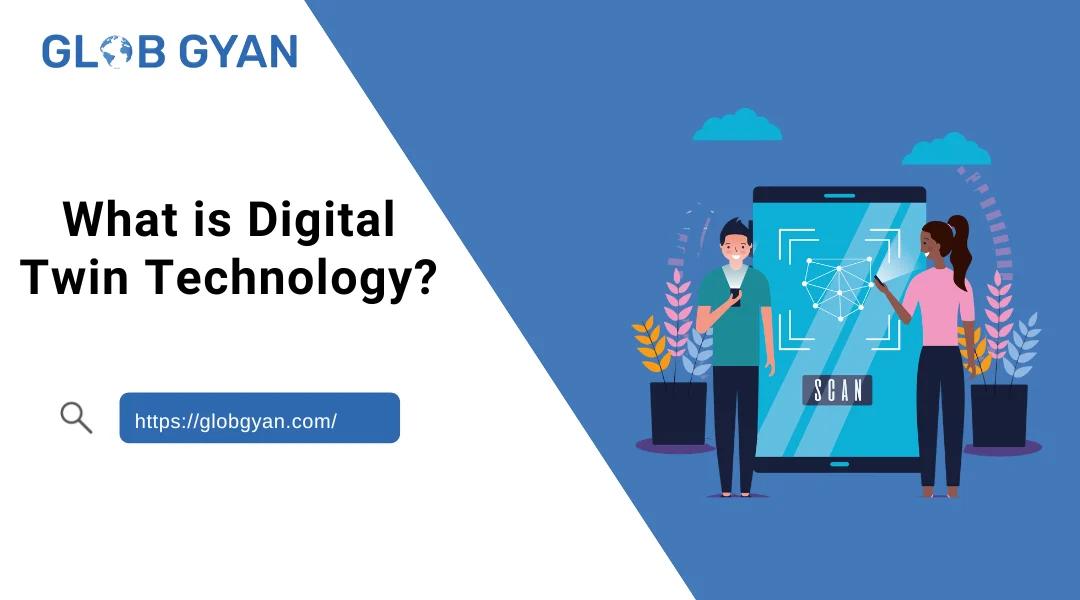
Digital Twin Technology is a system that creates a virtual model of a real-world object or process using data, simulation, sensors, and software. The virtual model behaves like the physical object and updates in real time using connected devices and data-driven technology.
For example, a manufacturing company can create a digital twin of a machine to monitor its temperature, performance, and efficiency. If the machine shows signs of failure, the system can predict maintenance needs before a breakdown happens.
This technology combines several advanced systems such as:
- Artificial Intelligence (AI)
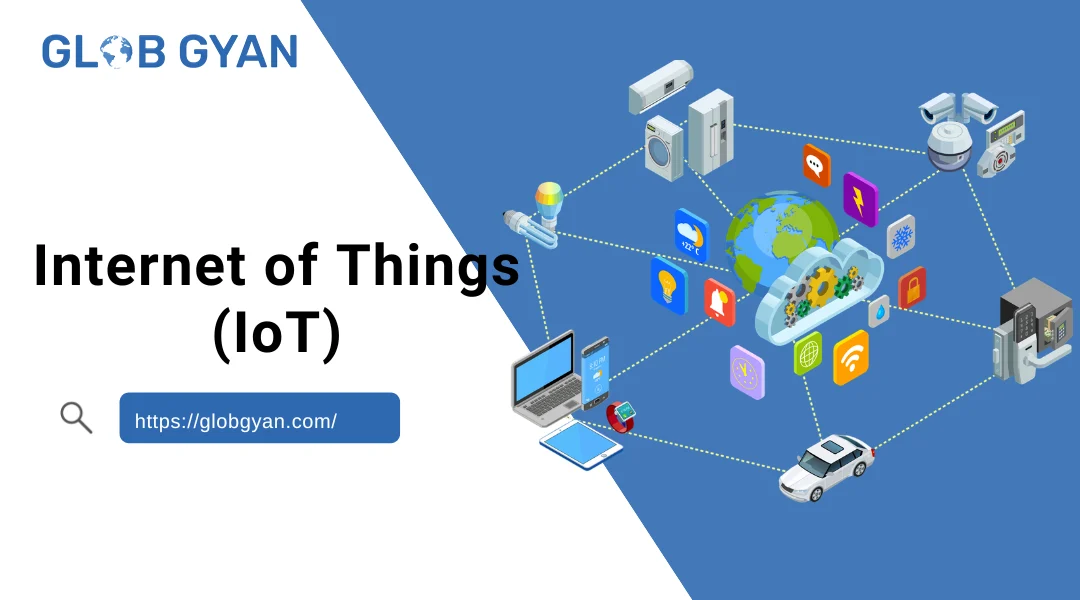
- Internet of Things (IoT)
- Cloud Computing
- Machine Learning
- Real-Time Monitoring
- Smart Analytics
The goal is to improve performance, reduce downtime, and increase operational efficiency.
How Does Digital Twin Technology Work?
Digital Twin Technology works by creating a virtual replica of a physical object, machine, process, or system using real-time data, smart sensors, artificial intelligence, and cloud computing. The main purpose of this technology is to monitor performance, predict problems, and improve operational efficiency without directly affecting the real-world system.
In simple words, a digital twin acts like a digital copy of a physical asset that continuously updates itself through live data. This allows businesses to understand how machines or systems behave under different conditions and helps them make smarter decisions using predictive analytics and intelligent systems.
The complete working process of a digital twin system can be divided into several important stages.
1. Data Collection Through Sensors
The first step in Digital Twin Technology is collecting data from physical assets using IoT-enabled sensors and connected devices. These sensors are installed on machines, equipment, vehicles, buildings, or industrial systems to monitor their activities continuously.
The sensors collect important operational information such as:
- Temperature
- Pressure
- Speed
- Energy consumption
- Humidity
- Vibration levels
- Performance metrics
- Machine efficiency
For example, in a smart manufacturing factory, sensors attached to industrial machines monitor every movement and operational detail in real time. If a machine starts overheating or consuming excess energy, the sensors immediately capture that information.
This real-time monitoring is one of the most important features of Digital Twin Technology because it helps businesses track the exact condition of their physical systems at all times.
The collected information is then transferred through the Internet of Things (IoT) network to cloud platforms and data processing systems. This continuous flow of live information creates the foundation of an accurate digital twin model.
2. Real-Time Data Processing
After collecting data, the next stage involves processing and analyzing the information using cloud computing systems, advanced software, and data analytics tools.
This stage is extremely important because raw data alone cannot provide useful insights. The system must organize, analyze, and interpret the information to understand how the physical asset is performing.
Modern digital twin platforms use:
- Cloud computing
- Big data analytics
- Artificial intelligence
- Machine learning integration
- Smart automation systems
These technologies help businesses process massive amounts of data quickly and efficiently.
For example, in industrial digital twin systems, cloud-based platforms continuously analyze machine performance and compare it with historical data. If the software notices unusual behavior, it can instantly alert engineers about possible issues.
Real-time data processing helps organizations identify:
- Equipment failure risks
- Performance inefficiencies
- Energy waste
- Operational bottlenecks
- Maintenance requirements
- Safety concerns
This process allows companies to react quickly before small problems become major failures.
One of the biggest advantages of AI Digital Twin systems is their ability to analyze live operational data faster than traditional monitoring methods. This improves productivity, reduces downtime, and supports better business decisions.
3. Virtual Simulation and Digital Modeling
Once the data is processed, the software creates a detailed virtual simulation of the physical object or system. This digital model behaves exactly like the real-world asset because it continuously receives updated information from connected sensors.
This virtual replica is known as the digital twin.
The digital twin allows engineers, manufacturers, and businesses to observe system behavior in a digital environment without directly interacting with the physical asset.
For example:
- A factory can create a digital twin of its entire production line.
- An automobile company can simulate vehicle performance digitally.
- Smart cities can monitor traffic systems using virtual simulations.
- Hospitals can analyze healthcare equipment using digital twin software.
The biggest benefit of virtual simulation is risk-free testing. Companies can test different scenarios, design changes, or operational strategies without interrupting actual business operations.
For example, manufacturers can test:
- Production efficiency
- Energy optimization
- Machine performance
- Product design improvements
This reduces operational risks and lowers testing costs significantly.
In modern smart manufacturing technology, virtual simulations are helping companies improve productivity while reducing waste and downtime.
4. Predictive Analytics and AI Integration
The final stage of Digital Twin Technology involves predictive analytics powered by artificial intelligence and machine learning integration.
This is where digital twins become truly intelligent systems.
AI-powered software analyzes current and historical data to predict future outcomes and identify patterns that humans may not easily detect.
Using predictive analytics, digital twin systems can:
- Predict machine failures
- Forecast maintenance needs
- Detect unusual performance patterns
- Improve product quality
- Reduce operational risks
- Optimize system efficiency
For example, if a machine normally operates at a certain temperature but suddenly starts showing abnormal heat patterns, the AI system can predict a possible failure before the machine breaks down completely.
This process is called predictive maintenance.
Predictive maintenance is one of the biggest reasons why industries are rapidly adopting industrial digital twin systems. Instead of waiting for equipment to fail, businesses can fix problems early and avoid expensive downtime.
Machine learning integration also helps digital twins become smarter over time. The more data the system collects, the more accurate its predictions become.
This combination of:
- AI Digital Twin systems
- Predictive analytics
- Smart automation
- Real-time monitoring
- Data-driven technology
is driving the future of Industry 4.0 and intelligent manufacturing worldwide.
trends and improve decision-making. “
Components of Digital Twin Technology
The success of Digital Twin Technology depends on several advanced technologies working together in a connected ecosystem. A digital twin platform is not built using a single tool or software. Instead, it combines intelligent systems such as IoT devices, cloud computing, artificial intelligence, simulation software, and big data analytics to create accurate virtual simulations of physical assets.
These components help organizations collect real-time information, analyze performance, predict failures, and improve operational efficiency. Without these technologies, a digital twin system would not be able to deliver accurate results or real-time insights.
Below are the major components that form the foundation of modern digital twin solutions.
1. IoT Devices and Smart Sensors
IoT devices are one of the most important components of Digital Twin Technology because they collect real-time data from physical systems and send it to digital platforms for analysis.
The Internet of Things (IoT) refers to connected devices that communicate with each other through the internet. In a digital twin system, sensors are attached to machines, equipment, vehicles, buildings, or industrial systems to monitor their performance continuously.
These smart sensors collect information such as:
- Temperature
- Pressure
- Speed
- Humidity
- Energy consumption
- Motion and vibration
- Operational efficiency
For example, in smart manufacturing technology, sensors installed on industrial machines can detect unusual vibrations or overheating. This real-time monitoring helps organizations identify problems before equipment failure occurs.
IoT and Digital Twin systems work together to create a continuous flow of live operational data. The more accurate the sensor data is, the more reliable the digital twin becomes.
This connected device ecosystem plays a major role in:
- Predictive maintenance
- Smart automation
- Industrial monitoring
- Performance optimization
- Intelligent manufacturing systems
As IoT technology continues growing, digital twin platforms are becoming faster, smarter, and more efficient.
2. Cloud Computing
Cloud computing is another essential component of a digital twin platform because it stores, manages, and processes large amounts of operational data collected from IoT devices.
Digital twin systems generate massive volumes of real-time data every second. Traditional systems often struggle to handle this information efficiently. Cloud computing solves this problem by providing scalable storage and processing power.
Cloud platforms help businesses:
- Store live operational data
- Access systems remotely
- Process information quickly
- Run virtual simulations
- Improve collaboration across teams
For example, a manufacturing company using industrial digital twin systems may collect millions of data points daily from connected machines. Cloud computing platforms organize and process this information efficiently, allowing engineers to monitor operations from anywhere.
Cloud technology also supports:
- Real-time monitoring
- Faster decision-making
- Remote asset management
- System integration
- Data security and backup
Modern Digital Twin Technology relies heavily on cloud infrastructure because it enables businesses to manage complex digital environments without requiring expensive local hardware systems.
3. Artificial Intelligence (AI)
Artificial Intelligence is one of the most powerful technologies used in Digital Twin Technology because it transforms raw data into intelligent insights.
AI-powered digital twin systems can analyze operational patterns, detect abnormalities, and predict future outcomes automatically. Instead of simply displaying information, AI helps organizations make smarter decisions using predictive analytics and machine learning integration.
AI Digital Twin systems are capable of:
- Predicting machine failures
- Improving operational efficiency
- Detecting unusual behavior
- Automating decision-making
- Enhancing system performance
- Optimizing workflows
For example, in a smart factory, AI algorithms analyze machine performance continuously. If the system detects abnormal energy usage or overheating, it can predict maintenance needs before the equipment fails completely.
Machine learning integration allows digital twin systems to improve over time by learning from historical data and operational trends.
Artificial intelligence also plays an important role in:
- Smart automation
- Industrial digital twin platforms
- Intelligent healthcare systems
- Autonomous vehicles
- Smart city infrastructure
The combination of AI, IoT, and real-time monitoring is driving the future of Industry 4.0 and intelligent systems worldwide.
4. Simulation Software
Simulation software is responsible for creating the virtual replica of physical systems in a digital twin platform.
This software uses real-time data and advanced modeling techniques to build accurate digital models that behave like real-world objects or processes. The virtual simulation continuously updates itself using live sensor information.
Simulation software allows organizations to:
- Visualize system performance
- Test operational scenarios
- Improve product designs
- Monitor asset conditions
- Analyze system behavior
- Reduce operational risks
For example, automotive companies use simulation tools to test vehicle performance digitally before manufacturing physical prototypes. Similarly, construction companies create digital simulations of buildings to analyze structural performance and safety.
One of the biggest advantages of virtual simulation is that businesses can test changes without affecting actual operations. This reduces testing costs, improves safety, and increases efficiency.
Simulation software is widely used in:
- Smart manufacturing technology
- Aerospace engineering
- Healthcare systems
- Construction projects
- Energy management systems
As digital transformation continues growing, advanced simulation technologies are becoming more realistic and accurate.
5. Big Data Analytics
Big data analytics is another important component of Digital Twin Technology because it helps organizations understand and interpret large volumes of operational information.
Digital twin systems continuously generate massive amounts of structured and unstructured data. Big data analytics tools organize this information and convert it into useful insights for decision-making.
Data analytics systems help businesses:
- Identify performance trends
- Detect operational inefficiencies
- Improve predictive maintenance
- Optimize energy usage
- Enhance productivity
- Support business intelligence
For example, an industrial digital twin platform can analyze years of machine performance data to identify patterns that may lead to equipment failure. This allows companies to take preventive action early.
Big data analytics also improves:
- Real-time monitoring
- Smart automation
- AI-driven insights
- Customer experience
- Risk management
The integration of data-driven technology with AI and cloud computing is making digital twin solutions more intelligent and efficient than traditional monitoring systems.
Types of Digital Twin Technology
Different industries use different types of Digital Twin Technology depending on their operational requirements, business goals, and system complexity. A digital twin can represent a single machine, a complete production process, or even an entire smart city infrastructure.
The main purpose of these digital twin systems is to improve efficiency, monitor performance, reduce operational risks, and support smarter decision-making using real-time data and intelligent systems.
As industries continue adopting smart automation and AI-powered technologies, various forms of digital twin solutions are becoming essential for modern business operations.
Below are the major types of digital twin systems used across industries today.
1. Product Digital Twin
A Product Digital Twin is a virtual replica of a product used during the design, development, testing, and maintenance stages. This type of digital twin helps companies simulate product behavior before manufacturing the actual physical product.
Manufacturers use product digital twins to analyze:
- Product performance
- Design efficiency
- Safety standards
- Material durability
- Energy consumption
- Functional behavior
The biggest advantage of this technology is that companies can test multiple product designs in a virtual environment without creating expensive physical prototypes.
For example, automobile manufacturers use Digital Twin Technology to test vehicle performance digitally before launching new cars into the market. Engineers can simulate:
- Engine performance
- Fuel efficiency
- Aerodynamics
- Battery performance
- Safety systems
This virtual simulation helps companies improve product quality while reducing development costs and testing time.
Product digital twins are widely used in:
- Automotive industry
- Aerospace engineering
- Consumer electronics
- Healthcare equipment manufacturing
- Industrial machinery development
With the integration of AI Digital Twin systems and predictive analytics, product testing is becoming faster, smarter, and more accurate.
2. Process Digital Twin
A Process Digital Twin focuses on monitoring, analyzing, and optimizing business workflows or operational processes. Instead of representing a single product or machine, this type of digital twin studies how multiple activities work together within a process.
Process digital twins help organizations improve:
- Production efficiency
- Workflow management
- Resource utilization
- Operational performance
- Energy optimization
- Supply chain management
For example, manufacturing factories use process digital twin systems to monitor complete production lines in real time. These systems track:
- Machine coordination
- Production speed
- Material flow
- Energy consumption
- Quality control
If one part of the production line slows down or fails, the digital twin platform can immediately identify the issue and suggest improvements.
This type of Digital Twin Technology is highly valuable in smart manufacturing technology because it helps industries reduce downtime and increase productivity.
Process digital twins are commonly used in:
- Industrial manufacturing
- Logistics and supply chain systems
- Energy plants
- Pharmaceutical industries
- Warehouse automation
The integration of real-time monitoring, machine learning integration, and intelligent systems makes process optimization more effective than traditional management systems.
3. System Digital Twin
A System Digital Twin represents an entire system that contains multiple interconnected components working together. This is one of the most advanced forms of Digital Twin Technology because it combines several digital twins into a single intelligent platform.
System digital twins help organizations understand how different systems interact with each other in real-world environments.
These digital models are used to monitor:
- Infrastructure networks
- Transportation systems
- Smart city operations
- Energy distribution systems
- Industrial ecosystems
For example, smart city infrastructure uses system digital twins to manage:
- Traffic signals
- Water supply systems
- Public transportation
- Electricity networks
- Waste management systems
By collecting and analyzing real-time data from connected devices, city administrators can improve urban planning and operational efficiency.
System digital twin platforms also help businesses:
- Predict system failures
- Optimize resource allocation
- Improve sustainability
- Reduce operational risks
- Support large-scale automation
Industries using system digital twins include:
- Smart cities
- Aerospace
- Telecommunications
- Healthcare networks
- Transportation infrastructure
The combination of cloud computing, AI-powered analytics, and IoT and Digital Twin systems is making large-scale operational management more intelligent and efficient.
4. Asset Digital Twin
An Asset Digital Twin focuses on monitoring and managing individual physical assets such as machines, turbines, engines, or industrial equipment.
This type of digital twin collects real-time operational data from a specific machine or asset and creates a virtual model for performance analysis.
Asset digital twins are mainly used for:
- Predictive maintenance
- Performance monitoring
- Failure detection
- Equipment optimization
- Lifecycle management
For example, industrial companies use asset digital twin systems to monitor turbines, generators, and manufacturing machines continuously. Sensors attached to these machines collect data such as:
- Temperature
- Pressure
- Speed
- Vibration
- Energy usage
The digital twin software then analyzes this information to identify possible issues before equipment failure occurs.
This predictive maintenance capability helps companies:
- Reduce downtime
- Lower maintenance costs
- Improve operational efficiency
- Increase equipment lifespan
Asset digital twins are commonly used in:
- Oil and gas industry
- Power plants
- Manufacturing facilities
- Aviation industry
- Renewable energy systems
AI Digital Twin systems and predictive analytics are making asset monitoring more accurate and reliable than traditional maintenance methods.
Benefits of Digital Twin Technology
The growing adoption of Digital Twin Technology across industries is mainly driven by its ability to improve operational efficiency, reduce costs, and support smarter decision-making. Businesses today are looking for intelligent systems that can provide real-time insights, improve productivity, and minimize operational risks. Digital twin platforms help achieve these goals by creating virtual simulations of physical systems using live data, artificial intelligence, and predictive analytics.
From smart manufacturing technology to healthcare and smart city infrastructure, organizations are using digital twin solutions to optimize performance and improve business operations. By combining IoT devices, cloud computing, AI Digital Twin systems, and real-time monitoring, companies can better understand how their systems perform and identify problems before they become serious.
Below are the major benefits of Digital Twin Technology and why it is becoming an essential part of Industry 4.0 and digital transformation.
1. Improved Performance and Operational Efficiency
One of the biggest advantages of Digital Twin Technology is its ability to improve system performance and operational efficiency through real-time insights and intelligent monitoring.
Digital twin systems continuously collect data from connected devices and physical assets. This information helps businesses understand how machines, processes, and systems are performing under different conditions.
For example, in smart manufacturing environments, industrial digital twin platforms monitor:
- Machine performance
- Production speed
- Energy consumption
- Equipment efficiency
- Resource utilization
By analyzing this live operational data, businesses can identify inefficiencies and make improvements quickly.
Real-time monitoring allows organizations to:
- Optimize workflows
- Improve production quality
- Reduce waste
- Increase system reliability
- Enhance operational control
Unlike traditional monitoring systems, digital twins provide a complete virtual simulation of physical assets, making it easier to test improvements without affecting actual operations.
This level of visibility and control helps companies improve overall productivity and operational performance significantly.
2. Predictive Maintenance
Predictive maintenance is one of the most valuable benefits of Digital Twin Technology because it helps businesses prevent equipment failures before they happen.
Traditional maintenance methods usually follow fixed schedules or react only after equipment breaks down. This often leads to unnecessary maintenance costs or unexpected downtime.
Digital twin systems use:
- AI-powered analytics
- Machine learning integration
- Real-time sensor data
- Predictive analytics
to monitor equipment continuously and detect early warning signs of failure.
For example, an asset digital twin monitoring an industrial machine can identify:
- Abnormal temperature changes
- Excessive vibration
- Pressure fluctuations
- Unusual energy usage
If the system detects unusual patterns, it alerts maintenance teams before the machine fails completely.
Predictive maintenance helps organizations:
- Reduce repair costs
- Increase equipment lifespan
- Avoid sudden breakdowns
- Improve workplace safety
- Enhance operational efficiency
Industries such as manufacturing, aviation, energy, and automotive heavily rely on predictive maintenance to improve productivity and reduce operational risks.
3. Reduced Downtime
Unexpected system failures can cause major financial losses for businesses. One of the most important benefits of Digital Twin Technology is its ability to reduce downtime through continuous monitoring and intelligent analysis.
Digital twin platforms track the real-time condition of machines and operational systems. If the software identifies a potential issue, businesses can solve the problem before operations stop completely.
For example:
- Smart factories can prevent machine shutdowns.
- Energy plants can avoid turbine failures.
- Transportation systems can reduce service interruptions.
Continuous monitoring improves system reliability and ensures smooth business operations.
Reduced downtime leads to:
- Higher productivity
- Faster production cycles
- Better customer satisfaction
- Increased revenue
- Lower operational disruptions
This is especially important in industries where equipment failure can stop entire production lines or critical services.
The combination of IoT and Digital Twin systems helps organizations maintain stable and efficient operations at all times.
4. Better Decision-Making
Modern businesses generate huge amounts of operational data every day. However, data alone is not useful unless organizations can analyze and understand it effectively.
Digital Twin Technology helps businesses make smarter and faster decisions using:
- Real-time insights
- AI-driven analytics
- Data visualization
- Performance simulations
- Predictive intelligence
Digital twin platforms create virtual models that allow organizations to test different operational strategies without affecting real-world systems.
For example, a manufacturing company can simulate:
- Production changes
- Energy optimization strategies
- Equipment upgrades
- Workflow improvements
before implementing them physically.
This data-driven approach improves:
- Strategic planning
- Risk management
- Resource allocation
- Product development
- Operational forecasting
AI Digital Twin systems can also identify hidden patterns and performance trends that humans may overlook.
As a result, businesses can make more informed decisions while reducing uncertainty and operational risks.
5. Cost Savings
Another major reason behind the growing popularity of Digital Twin Technology is its ability to reduce business costs through smarter operations and virtual simulations.
Digital twin systems help organizations save money in several ways:
- Reducing maintenance expenses
- Preventing equipment failure
- Minimizing operational downtime
- Lowering testing costs
- Improving energy efficiency
- Optimizing resource usage
For example, companies can test new product designs digitally instead of creating multiple physical prototypes. This reduces manufacturing and testing expenses significantly.
Predictive maintenance also lowers repair costs by fixing small issues before they become major problems.
In industries such as aerospace, automotive, and industrial manufacturing, digital simulations help businesses avoid costly operational errors and improve financial efficiency.
Cloud computing and smart automation further support cost reduction by improving workflow management and reducing manual processes.
6. Increased Productivity
Digital twin systems improve workflow efficiency by automating monitoring, analysis, and operational management processes.
Through the integration of:
- Smart automation
- Real-time monitoring
- Artificial intelligence
- Connected devices
- Intelligent systems
organizations can increase productivity and improve overall business performance.
For example, smart manufacturing technology uses industrial digital twin systems to automate production monitoring and optimize factory operations continuously.
This improves:
- Production speed
- Equipment utilization
- Employee efficiency
- Resource management
- Operational coordination
Automation reduces manual work and allows employees to focus on higher-level tasks instead of repetitive monitoring activities.
Digital Twin Technology also improves collaboration between departments because teams can access live operational data through cloud-based digital platforms.
As businesses continue moving toward Industry 4.0, productivity improvements through digital twin solutions are becoming a major competitive advantage.
Applications of Digital Twin Technology
The applications of Digital Twin Technology are growing rapidly across multiple industries because businesses and governments are increasingly adopting smart systems, automation technology, and real-time monitoring solutions. Digital twins help organizations create virtual replicas of physical systems, allowing them to analyze performance, improve efficiency, and reduce operational risks using live data and predictive analytics.
Today, industries are using digital twin platforms for everything from smart manufacturing and healthcare monitoring to urban planning and infrastructure management. The integration of AI, IoT devices, cloud computing, and machine learning integration is making these systems more intelligent and capable of handling complex operations in real time.
As Industry 4.0 continues expanding, digital twin applications are becoming one of the most important technologies driving digital transformation worldwide.
Below are some of the most important real-world applications of Digital Twin Technology across industries.
1. Manufacturing Industry
The manufacturing sector is one of the largest users of Digital Twin Technology because modern factories require intelligent systems for automation, monitoring, and production optimization.
Manufacturers use industrial digital twin platforms to create virtual simulations of machines, production lines, and entire factory operations. These systems continuously collect data from connected devices and IoT sensors to monitor real-time performance.
Smart manufacturing technology uses digital twins for:
- Smart factories
- Equipment monitoring
- Production optimization
- Predictive maintenance
- Automation technology
- Quality control
- Energy efficiency management
For example, a factory can create a digital twin of its production line to monitor machine efficiency and identify bottlenecks. If one machine begins operating below normal performance levels, the system can immediately detect the issue and recommend corrective action.
Industrial digital twin systems also help manufacturers:
- Reduce downtime
- Improve product quality
- Increase productivity
- Lower maintenance costs
- Optimize resource utilization
AI Digital Twin systems are especially valuable in smart factories because they use predictive analytics and machine learning integration to forecast equipment failures before they happen.
This combination of smart automation, real-time monitoring, and data-driven technology is helping industries improve operational efficiency and support Industry 4.0 initiatives.
2. Healthcare Industry
The healthcare industry is increasingly using Digital Twin Technology to improve patient care, medical research, and hospital management systems.
Healthcare organizations create digital twin models of patients, medical equipment, and healthcare processes to simulate medical conditions and improve treatment planning.
Digital twin applications in healthcare include:
- Patient monitoring
- Surgery simulation
- Personalized treatment planning
- Medical equipment analysis
- Disease prediction
- Healthcare system optimization
For example, doctors can use AI-powered healthcare systems to create a digital twin of a patient’s organ or body system. This allows medical professionals to study how different treatments may affect the patient before performing actual procedures.
Hospitals also use digital twin platforms to monitor critical medical equipment such as:
- MRI machines
- Ventilators
- Surgical systems
- Diagnostic devices
Artificial intelligence and predictive analytics help healthcare organizations identify equipment maintenance needs and improve operational efficiency.
AI-generated overview systems and machine learning integration are making medical diagnosis faster, smarter, and more accurate than traditional healthcare methods.
The healthcare sector is expected to become one of the fastest-growing users of Digital Twin Technology in the future.
3. Smart Cities
Governments and urban planners are using digital twin solutions to develop efficient and sustainable smart cities.
A smart city digital twin creates a virtual model of an entire urban environment using real-time data from sensors, traffic systems, energy networks, and public infrastructure.
Smart city applications of Digital Twin Technology include:
- Traffic management
- Water supply monitoring
- Energy distribution systems
- Waste management
- Urban planning
- Public transportation optimization
- Environmental monitoring
For example, city authorities can monitor traffic flow in real time and adjust traffic signals automatically to reduce congestion.
Digital twin systems also help governments:
- Improve resource management
- Reduce energy waste
- Enhance public safety
- Support sustainable urban development
- Improve emergency response systems
Cloud computing and IoT and Digital Twin systems play a major role in smart city infrastructure because they allow real-time monitoring of large-scale public systems.
AI-powered analytics also help city planners predict future urban challenges and improve long-term planning strategies.
As cities continue becoming more connected, digital twins are expected to become a core part of future smart urban infrastructure.
4. Automotive Industry
The automotive sector is another major user of Digital Twin Technology because vehicle manufacturers require advanced simulation and testing systems to improve performance and safety.
Car manufacturers use digital twin technology examples to create virtual simulations of vehicles, engines, and automotive systems before physical production begins.
Digital twin applications in the automotive industry include:
- Vehicle testing
- Performance analysis
- Electric vehicle optimization
- Battery performance monitoring
- Aerodynamic simulations
- Autonomous driving system testing
For example, automobile companies can test how a vehicle performs under different weather conditions or road environments using digital simulation software.
Electric vehicle manufacturers also use digital twins to optimize:
- Battery efficiency
- Charging systems
- Energy consumption
- Thermal management
This virtual testing process helps companies:
- Reduce development costs
- Improve vehicle safety
- Accelerate innovation
- Increase manufacturing efficiency
AI Digital Twin systems and predictive analytics are also improving predictive maintenance for connected vehicles.
As autonomous vehicles and electric mobility continue growing, Digital Twin Technology will become even more important in the automotive industry.
5. Construction Industry
The construction and infrastructure sector is using digital twins to improve project management, safety, and real-time monitoring of buildings and construction sites.
Construction companies create digital twin models of buildings, bridges, roads, and infrastructure projects to analyze structural performance and monitor progress.
Applications of digital twins in construction include:
- Building monitoring
- Infrastructure management
- Real-time construction tracking
- Structural analysis
- Project simulation
- Safety monitoring
For example, engineers can use digital twin platforms to monitor the condition of a bridge in real time by analyzing:
- Structural stress
- Material performance
- Environmental impact
- Maintenance requirements
Digital twin systems also help construction companies:
- Improve project management
- Increase workplace safety
- Reduce construction delays
- Optimize resource allocation
- Improve collaboration between teams
Simulation software and cloud computing allow teams to track projects remotely and identify issues before they become major problems.
The use of smart systems and AI-powered analytics is helping the construction industry move toward more efficient and sustainable infrastructure development.
Digital Twin Technology and Artificial Intelligence
The combination of Digital Twin Technology and Artificial Intelligence (AI) is transforming the way industries operate, analyze data, and automate decision-making. While digital twins create virtual replicas of physical systems, artificial intelligence makes those systems smarter, more predictive, and capable of learning from real-time operational data.
Today, businesses are moving beyond simple monitoring systems and adopting intelligent digital twin platforms that can analyze performance, predict failures, and optimize operations automatically. The integration of AI, machine learning, IoT devices, cloud computing, and predictive analytics is helping industries build highly advanced smart systems for the future.
This powerful combination is becoming one of the key driving forces behind Industry 4.0, smart manufacturing technology, and intelligent automation worldwide.
How Artificial Intelligence Enhances Digital Twin Technology
Traditional digital twin systems mainly focus on collecting and visualizing real-time data from physical assets. However, when Artificial Intelligence is integrated into these systems, digital twins become capable of understanding patterns, making predictions, and improving performance automatically.
AI Digital Twin systems use:
- Machine learning algorithms
- Big data analytics
- Predictive analytics
- Intelligent automation
- Real-time monitoring
- Data-driven technology
to transform raw operational data into meaningful insights.
This allows businesses to move from reactive operations to proactive and predictive management systems.
For example, instead of simply displaying machine performance data, an AI-powered digital twin can:
- Predict equipment failures
- Detect hidden operational problems
- Recommend maintenance actions
- Optimize energy usage
- Improve workflow efficiency
This level of intelligence makes Digital Twin Technology far more valuable than traditional monitoring systems.
AI Digital Twin Systems and Data Analysis
Modern industries generate massive amounts of operational data every second through connected devices and IoT sensors. Without AI, analyzing this data manually would be extremely difficult and time-consuming.
Artificial intelligence helps digital twin platforms process and analyze huge volumes of information quickly and accurately.
AI Digital Twin systems can:
- Analyze huge amounts of real-time data
- Identify hidden patterns and trends
- Detect abnormal system behavior
- Monitor operational efficiency
- Improve predictive maintenance
- Enhance performance optimization
For example, in industrial digital twin systems, AI algorithms continuously monitor machine performance and compare current data with historical performance records.
If the system notices unusual temperature increases, vibration levels, or energy consumption patterns, it can immediately identify a potential problem before equipment failure occurs.
This ability to analyze complex operational patterns in real time is one of the biggest reasons why industries are rapidly adopting AI-powered digital twin solutions.
Predictive Analytics and Failure Prediction
One of the most powerful advantages of combining AI with Digital Twin Technology is predictive analytics.
Predictive analytics uses artificial intelligence and machine learning integration to forecast future outcomes based on historical and real-time operational data.
AI-powered digital twins can predict:
- Machine failures
- Maintenance requirements
- Operational risks
- Energy inefficiencies
- Production bottlenecks
- Equipment lifespan
For example, in a smart factory, a digital twin system may detect that a machine is operating under unusual stress conditions. Instead of waiting for the equipment to fail, the AI system can alert maintenance teams in advance.
This process is known as predictive maintenance.
Predictive maintenance helps organizations:
- Reduce downtime
- Lower repair costs
- Improve equipment reliability
- Increase operational efficiency
- Enhance workplace safety
Industries such as manufacturing, aviation, automotive, healthcare, and energy are heavily using predictive analytics to improve productivity and reduce operational risks.
The combination of AI Digital Twin systems and predictive maintenance is becoming essential for modern intelligent systems and Industry 4.0 operations.
Machine Learning Integration in Digital Twin Systems
Machine learning integration is another major reason why artificial intelligence is improving digital twin platforms.
Machine learning allows digital twin systems to continuously learn and improve based on operational data and previous system behavior.
Unlike traditional software systems that follow fixed programming rules, machine learning algorithms adapt over time by studying:
- Historical data
- Performance trends
- Equipment behavior
- Operational patterns
- Environmental conditions
For example, if a production machine repeatedly experiences performance issues under certain operating conditions, the machine learning system can recognize this pattern and automatically recommend operational adjustments.
Over time, AI-powered digital twin systems become:
- More accurate
- More predictive
- More efficient
- Better at automation
This continuous improvement capability is helping businesses create smarter and more autonomous operational environments.
Machine learning integration is especially valuable in:
- Smart manufacturing technology
- Autonomous vehicles
- Smart city infrastructure
- Healthcare systems
- Energy management platforms
As businesses continue adopting data-driven technology, machine learning will become an even more important part of future digital twin solutions.
Intelligent Automation and Smart Manufacturing
Artificial intelligence is also helping Digital Twin Technology support intelligent automation across industries.
Smart factories use AI-powered digital twins to automate production systems and optimize manufacturing operations in real time.
For example, a smart manufacturing system can automatically:
- Adjust production speed
- Optimize energy consumption
- Improve workflow efficiency
- Detect operational bottlenecks
- Reallocate resources based on demand
If equipment performance changes unexpectedly, the digital twin platform can instantly modify operational settings to maintain productivity.
This level of smart automation helps businesses:
- Increase production efficiency
- Reduce human errors
- Improve product quality
- Minimize downtime
- Lower operational costs
Industrial digital twin systems are becoming central to Industry 4.0 because they combine:
- AI-powered analytics
- IoT and Digital Twin systems
- Real-time monitoring
- Cloud computing
- Smart automation
into one connected intelligent ecosystem.
This transformation is helping industries become faster, smarter, and more efficient than traditional operational models.
Challenges and Limitations of Digital Twin Technology
Although Digital Twin Technology offers many advantages such as real-time monitoring, predictive maintenance, smart automation, and operational efficiency, implementing these systems also comes with several challenges and limitations. Building and managing advanced digital twin platforms requires strong technological infrastructure, accurate data management, and skilled professionals.
As industries continue adopting AI Digital Twin systems and intelligent automation, organizations must also address issues related to cybersecurity, system integration, operational complexity, and implementation costs.
Understanding these challenges is important because it helps businesses plan digital transformation strategies more effectively and avoid potential risks during implementation.
Below are the major challenges and limitations of Digital Twin Technology.
1. High Implementation Cost
One of the biggest challenges of Digital Twin Technology is the high cost of implementation. Developing advanced digital twin systems requires significant investment in hardware, software, cloud infrastructure, IoT devices, and AI-powered analytics platforms.
Organizations often need to invest in:
- Smart sensors and connected devices
- Cloud computing infrastructure
- Data storage systems
- Simulation software
- Artificial intelligence tools
- Cybersecurity systems
- High-speed network connectivity
For example, industrial digital twin platforms used in smart manufacturing technology require large-scale sensor installations, real-time monitoring systems, and continuous data processing capabilities.
Small and medium-sized businesses may find these investments expensive, especially during the initial stages of digital transformation.
In addition to setup costs, organizations must also spend money on:
- System maintenance
- Software updates
- Employee training
- Data management
- Technical support
Although digital twin systems can reduce operational costs in the long term, the initial implementation cost remains a major barrier for many businesses.
2. Data Security and Cybersecurity Risks
Digital twin systems continuously collect and process massive amounts of real-time operational data from connected devices and physical systems. This creates serious cybersecurity and data privacy concerns.
Since IoT and Digital Twin systems rely heavily on internet-connected infrastructure, they can become potential targets for:
- Cyberattacks
- Data breaches
- Unauthorized access
- System hacking
- Malware attacks
For example, a smart factory using industrial digital twin systems may collect sensitive information related to:
- Production operations
- Equipment performance
- Supply chain systems
- Business processes
If this data is compromised, organizations may face:
- Financial losses
- Operational disruptions
- Intellectual property theft
- Reputation damage
Cloud computing platforms also increase security challenges because businesses must store and manage large volumes of operational data online.
To reduce cybersecurity risks, organizations need:
- Strong encryption systems
- Secure cloud infrastructure
- Multi-layer authentication
- Continuous security monitoring
- Advanced cybersecurity strategies
As digital transformation continues expanding, data security will become one of the most critical aspects of Digital Twin Technology implementation.
3. Complex Integration with Existing Systems
Another major limitation of Digital Twin Technology is the difficulty of integrating modern digital systems with older legacy infrastructure.
Many organizations still use traditional operational systems that were not designed for:
- Real-time monitoring
- IoT connectivity
- Cloud computing
- AI-powered analytics
- Smart automation
Connecting these old systems with advanced digital twin platforms can be technically complex and time-consuming.
For example, manufacturing industries often operate machines that are several years old and may not support modern IoT devices or intelligent systems. Upgrading or replacing such equipment can be expensive and difficult.
Complex integration challenges may include:
- Compatibility issues
- Data synchronization problems
- Software integration errors
- Communication delays between systems
- Infrastructure limitations
Organizations may also need to redesign workflows and operational processes to support digital twin implementation effectively.
Without proper integration, digital twin systems may fail to provide accurate real-time insights or predictive analytics.
This is why businesses often require careful planning and technical expertise before implementing large-scale digital twin solutions.
4. Data Accuracy and Reliability Issues
The accuracy of a digital twin system depends entirely on the quality of data collected from physical assets and connected devices.
If the data is:
- Incorrect
- Incomplete
- Delayed
- Outdated
- Inconsistent
then the virtual simulation may produce inaccurate results.
For example, if IoT sensors attached to industrial machines provide incorrect temperature or pressure readings, the digital twin platform may fail to predict equipment problems accurately.
Poor data quality can lead to:
- Incorrect predictions
- Faulty operational analysis
- Inefficient decision-making
- System performance issues
- Reduced simulation reliability
This challenge is especially important in industries such as healthcare, aviation, and manufacturing, where inaccurate data can create serious operational or safety risks.
To improve data accuracy, organizations must:
- Use high-quality sensors
- Maintain connected devices regularly
- Implement strong data validation systems
- Monitor real-time information continuously
Artificial intelligence and machine learning integration can also help identify abnormal data patterns and improve system reliability over time.
However, maintaining accurate and reliable real-time data remains a major challenge for many digital twin applications.
5. Skilled Workforce Requirement
Implementing and managing advanced Digital Twin Technology requires highly skilled professionals with expertise in multiple technical fields.
Organizations need specialists in:
- Artificial intelligence
- IoT systems
- Cloud computing
- Big data analytics
- Cybersecurity
- Simulation software
- Machine learning integration
- Smart automation systems
Finding experienced professionals with knowledge of all these technologies can be difficult and expensive.
For example, industrial digital twin platforms often require collaboration between:
- Data scientists
- Software engineers
- AI experts
- Cloud architects
- Operational managers
- Cybersecurity professionals
Businesses may also need to train existing employees to work with intelligent systems and digital platforms.
The shortage of skilled professionals can slow down digital twin adoption, especially in developing markets where advanced technical expertise may be limited.
As Industry 4.0 continues growing, the demand for professionals skilled in AI Digital Twin systems and data-driven technology is expected to increase significantly.
Conclusion
Digital Twin Technology is revolutionizing the way industries operate by combining virtual simulation, AI, IoT, and real-time monitoring into one intelligent system. Businesses can now predict problems, optimize operations, and improve productivity more efficiently than ever before.
From smart manufacturing technology to healthcare and smart cities, digital twin applications are expanding across multiple sectors. The integration of AI Digital Twin systems and predictive analytics is helping organizations reduce costs, improve performance, and make smarter decisions.
As technology continues evolving, digital twins are expected to become one of the most important innovations driving automation, Industry 4.0, and future digital transformation worldwide.
FAQs
Digital Twin Technology is a virtual replica of a physical object, system, or process that uses real-time data for monitoring and simulation.
It works by collecting real-time data through sensors and creating virtual simulations using AI, IoT, and cloud computing.
Benefits include predictive maintenance, cost savings, real-time monitoring, improved efficiency, and smarter decision-making.
Industries such as manufacturing, healthcare, automotive, construction, aerospace, and smart cities use digital twin systems.
Yes, AI helps digital twin systems analyze data, predict failures, and automate decision-making processes.
The future includes smart cities, intelligent automation, healthcare monitoring, robotic systems, and metaverse integration.
IoT devices collect real-time data from physical systems and send it to digital twin platforms for analysis and simulation.